
No timeframe for ending US war against Iran, says Pete Hegseth
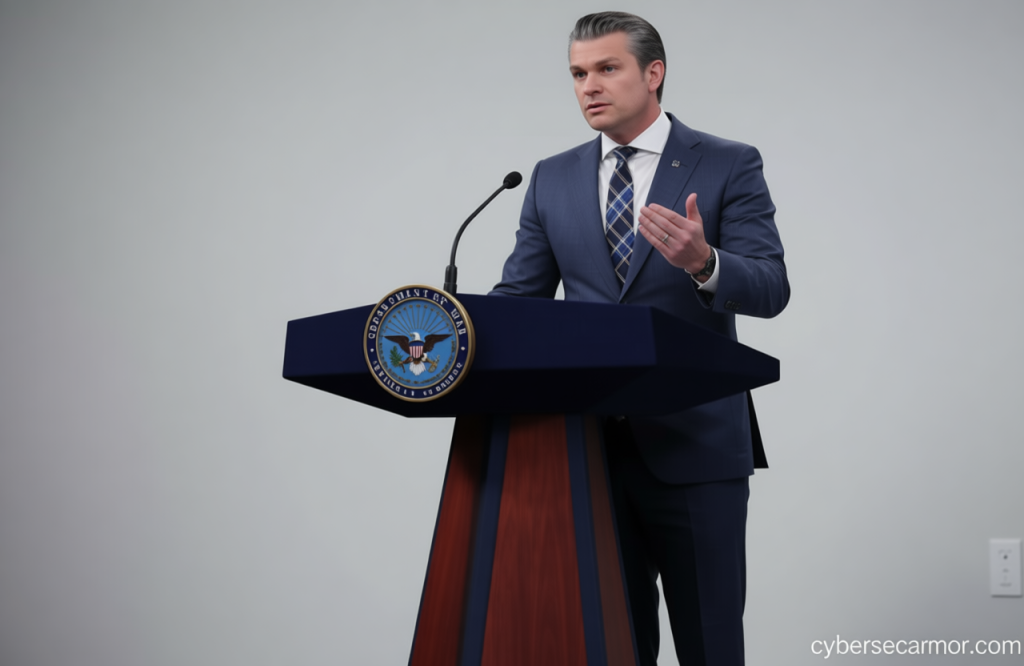
No Timeframe for US War Against Iran, Says Pete Hegseth
Pete Hegseth, the US defense secretary, stated on Thursday that there is no established deadline for the nation’s conflict with Iran, while not dismissing speculation about a potential $200bn increase in funding. The military campaign, launched three weeks prior, has expanded significantly, with attacks continuing to escalate across the region.
“The world, the Middle East, our ungrateful allies in Europe, even segments of our own press should be saying one thing to President Trump – thank you,” Hegseth declared at the start of the press conference, emphasizing the public’s role in supporting the effort.
Donald Trump’s recent threats to “massively blow up” a major gasfield followed Israeli strikes on Iranian facilities, prompting Tehran to retaliate by targeting oil and gas infrastructure throughout the Gulf. Hegseth hinted that Thursday would mark the most intense US strike yet, citing over 7,000 Iranian military targets already hit. “Today will be the largest strike package we’ve executed… bringing death and destruction from above,” he said.
Despite rising oil prices and a declining approval rating for the president, Hegseth provided no exit strategy. He argued that setting a timeframe is unnecessary, stating the campaign remains aligned with its original objectives and that the decision to end hostilities will rest with Trump. “Our goals, directly ordered by our America-first leader, have not changed,” the secretary asserted, rejecting the idea of new or shifted priorities.
Funding and Strategic Moves
Reports indicate the Pentagon has sought additional funds from Congress, potentially exceeding $200bn. Hegseth acknowledged the financial toll of the initial six-day phase, which cost nearly $13bn, but noted the total could vary. “It takes money to kill bad guys,” he remarked, emphasizing the need for continued support from lawmakers.
Meanwhile, the scope of the campaign has broadened. US aircraft and naval units have targeted dozens of vessels, including mine-layers and submarines, in the Gulf to secure the critical strait of Hormuz. In Iraq, Apache helicopters have engaged Iran-backed militia groups, while allied forces are now deploying similar systems to counter Tehran’s drones.
Media and Political Criticism
Hegseth criticized the press for exaggerating the war’s costs and undermining Trump’s leadership, accusing them of suffering from “Trump derangement syndrome.” “They want President Trump to fail,” he said, adding that the media often focuses on negative aspects rather than progress. He framed the conflict as a clear mission to destroy Iran’s missile capabilities and prevent its nuclear ambitions, calling it a “mission of clarity and purpose.”
Gen Dan Caine, a top US military officer, supported Hegseth’s stance, noting the operation is progressing as planned. Long-range strikes now reach deeper into Iranian territory, hitting underground storage sites and coastal missile installations. “We’re pushing further east, targeting key infrastructure,” Caine said, underscoring the campaign’s strategic expansion.
As the conflict intensifies, Hegseth concluded his remarks with a religious appeal, urging Americans to pray for troops in the name of Jesus Christ. “Pray for our soldiers on bended knee, in your schools and churches,” he urged, framing the effort as a divine mission to protect global stability from Iranian threats.
