
The US and Iran are at war three months before the World Cup kicks off. It’s unclear if the Iranian team will play.
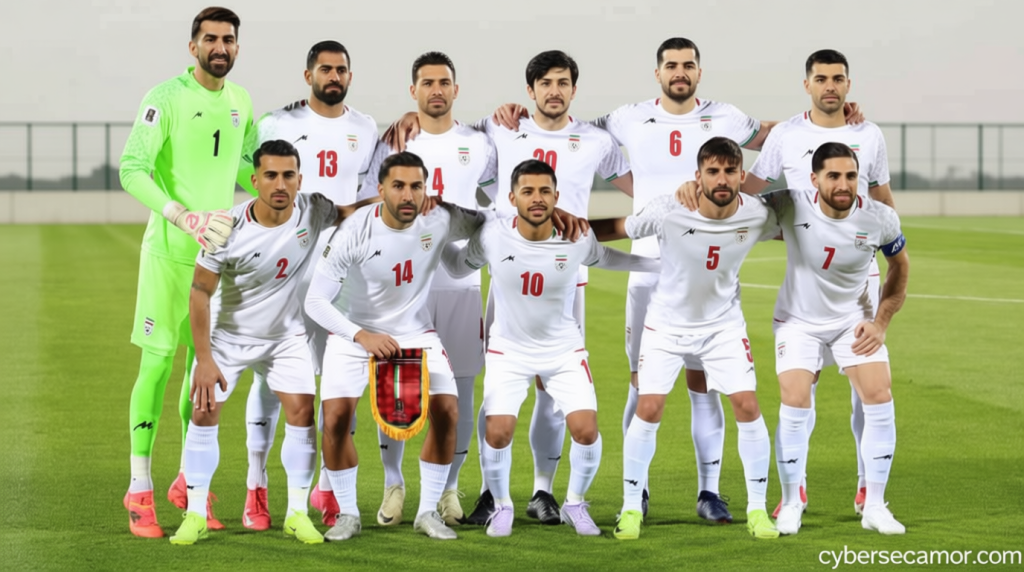
The US and Iran are at war three months before the World Cup kicks off. It’s unclear if the Iranian team will play.
Three months before the FIFA World Cup begins in North America, the escalating Middle East conflict has cast new doubts on Iran’s participation in the tournament. With tensions rising and the nation under attack from U.S. and Israeli strikes, questions linger about whether the Islamic Republic will send its soccer team to compete. While sports may take a backseat to geopolitical concerns, the ongoing violence has introduced fresh uncertainty regarding Iran’s involvement in the global event.
A leadership vacuum and shifting priorities
The assassination of Iran’s supreme leader, Ayatollah Ali Khamenei, has left the regime in a state of flux, complicating decision-making processes. Without clear leadership, it remains ambiguous who would authorize any potential withdrawal from the competition or how the new leader might view the United States. The nation’s soccer federation president, Mehdi Taj, has already expressed skepticism, stating:
“What is certain is that after this attack, we cannot be expected to look forward to the World Cup with hope.”
This sentiment reflects the broader anxiety surrounding Iran’s ability to focus on the tournament amid war.
FIFA’s cautious stance
Soccer’s global governing body, FIFA, has opted for a measured response. In a statement following the International Football Association Board meeting in Wales, general secretary Mattias Grafstrom acknowledged the situation:
“It’s a bit premature to comment on that in detail, but of course we’ll monitor the developments around all issues around the world.”
Despite the uncertainty, he emphasized the goal of ensuring a “safe World Cup with everyone participating.”
Travel bans and fan concerns
Travel restrictions imposed by the Trump administration last year have already limited Iranian supporters’ access to the U.S. This barrier persists despite the team’s participation in the tournament. While athletes and coaches are exempt, the threat of a boycott during the draw in Washington, D.C., highlighted the impact of visa issues. A small delegation, including the head coach, attended the ceremony, but the conflict underscores the fragility of the situation.
Group stage challenges
Iran’s World Cup group games will face three key opponents: New Zealand, Egypt, and Belgium. The team is scheduled to play its first matches in California and Seattle, locations that now symbolize both opportunity and risk. The tournament itself is set to feature 48 teams, marking its largest scale yet. However, the Middle East turmoil has already disrupted the calendar, with the Qatar Soccer Federation postponing events due to airstrikes targeting Doha.
Global ripple effects
The conflict’s reach extends beyond soccer. Teams flying to Australia for the Formula 1 season’s opening race in Melbourne on March 8 have faced logistical hurdles, as air travel restrictions affect their routes through Doha and Dubai. These disruptions highlight the interconnectedness of the crisis with international sports infrastructure, adding another layer of complexity to the upcoming World Cup. As the situation unfolds, the fate of Iran’s team remains uncertain, with the tournament’s start date just weeks away.
