
By allowing Israel to bomb Iran, Trump is pushing Tehran to go nuclear
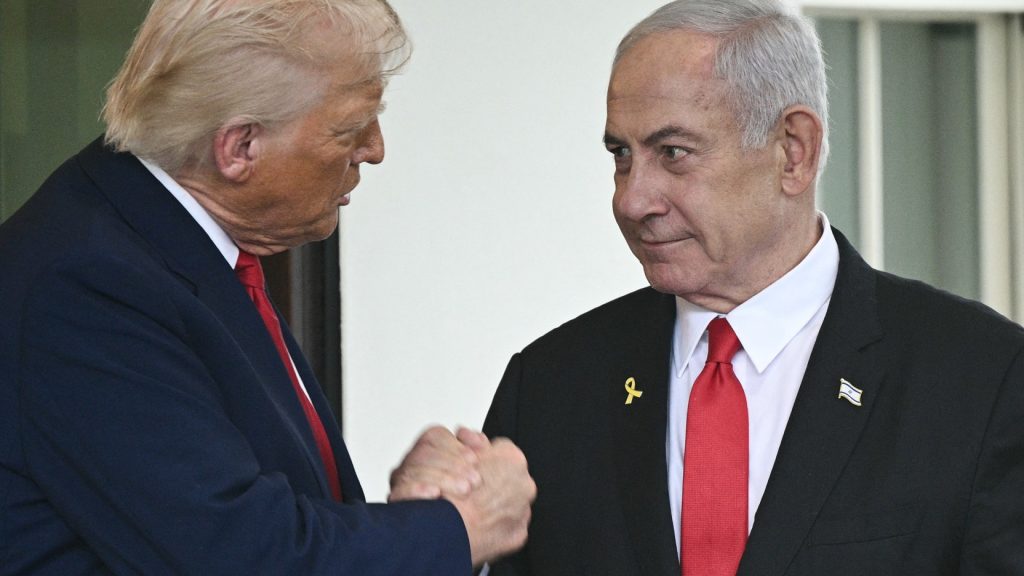
By allowing Israel to bomb Iran, Trump is pushing Tehran to go nuclear
Donald Trump’s decision to permit Israel’s attack on Iran represents a pivotal misstep in US foreign policy, akin to the disastrous miscalculation of George W. Bush’s 2003 invasion of Iraq. The Iraq war, which claimed over 655,000 lives, destabilized the region, created the Islamic State group, and nearly collapsed a major power that still struggles to recover after 14 years.
Trump’s move could amplify these consequences. By enabling Israeli Prime Minister Benjamin Netanyahu to strike Iran during ongoing diplomatic talks, the US risks undermining its credibility on the global stage. This action elevates the presidency to the level of a drug cartel leader, eroding trust in America’s commitments.
Who can now believe the United States? A nation in decline, like the US, must increasingly rely on the goodwill of others. Yet, Trump and his advisors remain oblivious to the ramifications. They celebrate their deception, taunting Iranian diplomats while swiftly delivering Hellfire missiles and real-time intelligence to Israel.
A War of Deception
Israel’s drones targeted Iranian officials in their sleep or lured them to headquarters, where they were eliminated. Tel Aviv and Washington celebrate this as a strategic victory. US Secretary of State Marco Rubio praised the “exquisite intel” shared with Israel, framing it as a critical asset in the conflict.
“Iran must make a deal, before there is nothing left, and save what was once known as the Iranian Empire. No more death, no more destruction, JUST DO IT, BEFORE IT IS TOO LATE. God Bless You All!”
Trump’s declaration, posted on Truth Social, underscores the US’s belittling tone toward Iran. It’s a stark contrast to the nation’s historical resilience, which has endured centuries of conflict and a brutal eight-year war with Saddam Hussein—supported by the West.
In 1980, Iran’s Supreme Leader Ayatollah Ruhollah Khomeini faced post-revolutionary turmoil. His army was weakened, and the Islamic Revolutionary Guards Corps (IRGC) was still forming. Despite this, Saddam’s forces advanced rapidly, only to be pushed back at great cost. The US and Europe backed Saddam, providing him with chemical weapons technology through German companies.
Western complicity continued even after the Halabja gas attacks on Kurds. A British diplomat once claimed the atrocities were exaggerated. Yet, decades later, Iranians still recall the pain of those strikes. Reagan’s NSDD 114 in 1983 formalized US support for Saddam, prioritizing oil security over human casualties.
Iran’s victory in the Iran-Iraq war forged a relentless defense strategy, giving rise to the “axis of resistance.” This network, spanning from the Mediterranean to the Gulf, was born from survival, not just ideology. Trump’s current gamble risks reigniting that cycle, forcing Tehran into a corner with nuclear ambitions as its only escape.
