
Is the Trump-Starmer bromance over?
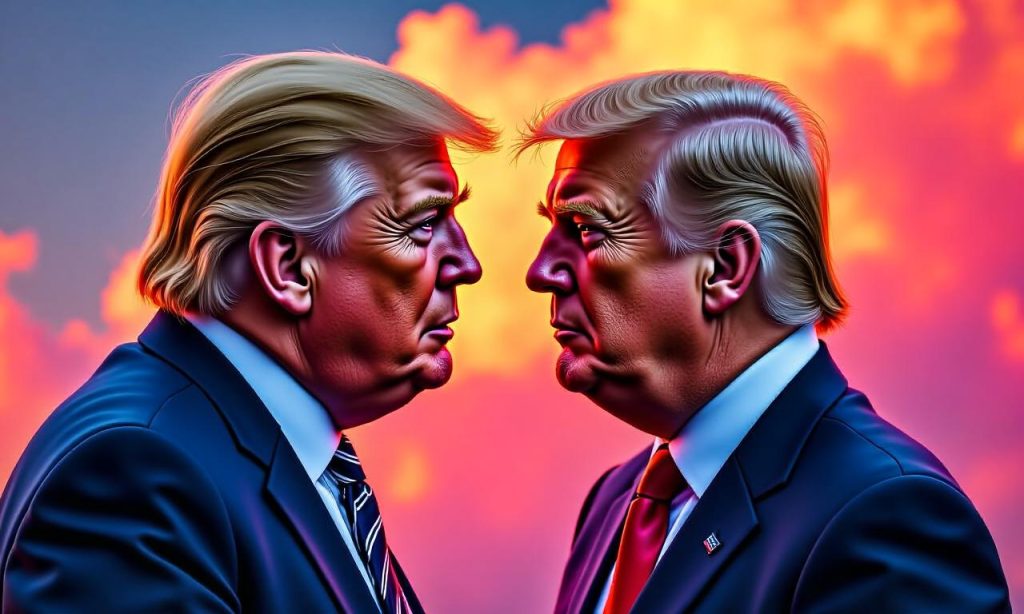
Is the Trump-Starmer Bromance Over?
At first glance, the pairing seemed improbable: a right-leaning businessman known for his media savvy and a left-leaning London-based legal professional. Their rapport began unexpectedly during a two-hour meal at Trump Tower in late September 2024. By the time they met in the Oval Office months later, Starmer had extended an invitation from the King, which Trump nearly embraced with enthusiasm. This alliance was remarkable, especially considering the prime minister’s challenging first year in office, marked by domestic strife.
Starmer’s advisors frequently claimed their calculated approach to diplomacy had paid off. They pointed to the UK’s favorable trade ties with Washington as evidence. Yet, the recent unraveling of this relationship has brought unforeseen advantages. As Starmer grows more assured in his handling of the situation, the UK government now has a clearer strategy. Previously, when Trump made bold statements, Downing Street would offer neutral summaries, avoiding confrontation. But now, the tone has shifted.
A Clash Over Military Strategy
The turning point came with a disagreement over UK military involvement in the Iran conflict. Since then, Trump has launched a series of sharp criticisms, labeling Starmer as “no Winston Churchill” and even mocking his image in a TV sketch. At a recent press event, he even imitated Starmer’s voice, suggesting the personal dynamic has grown tense. While public remarks are dramatic, the true nature of their private conversations remains unclear, as Whitehall officials continue to stay silent.
“The US no longer only cooperates with us as allies but coerces us as vassals,” wrote Ben Judah, a former advisor to David Lammy. “Our closest ally, the superpower we had relied on for security, has become erratic, emotional, and unpredictable.”
Richard Shirreff, a retired NATO commander, echoed similar concerns, describing the US as “an ally that is behaving more like a predator.” Despite these critiques, Starmer maintains his stance, insisting the insults are part of Trump’s effort to sway him. “He won’t be swayed,” a government ally stated, highlighting the prime minister’s calm and measured approach.
Recent statements by Rachel Reeves, the chancellor, underscore the broader context. She expressed frustration over Trump’s military actions, linking them to the cost of living crisis. Government officials acknowledge that the core issue for voters is rising fuel prices and economic uncertainty. With elections looming on 7 May, the Iran crisis offers a chance to align with public sentiment.
Starmer has largely stayed out of the campaign spotlight, using his position to project leadership. He has convened business leaders, chaired emergency meetings, and toured the Gulf region. His team believes his handling of the Iran decision is a strong asset, even if some admit minor missteps in other policies. This crisis also complicates any potential Labour leadership challenge, as Starmer’s allies emphasize his resilience in the face of criticism.
