
Five of Queen Elizabeth II’s most iconic outfits – from new royal exhibit
Five of Queen Elizabeth II’s Most Iconic Outfits – From New Royal Exhibit
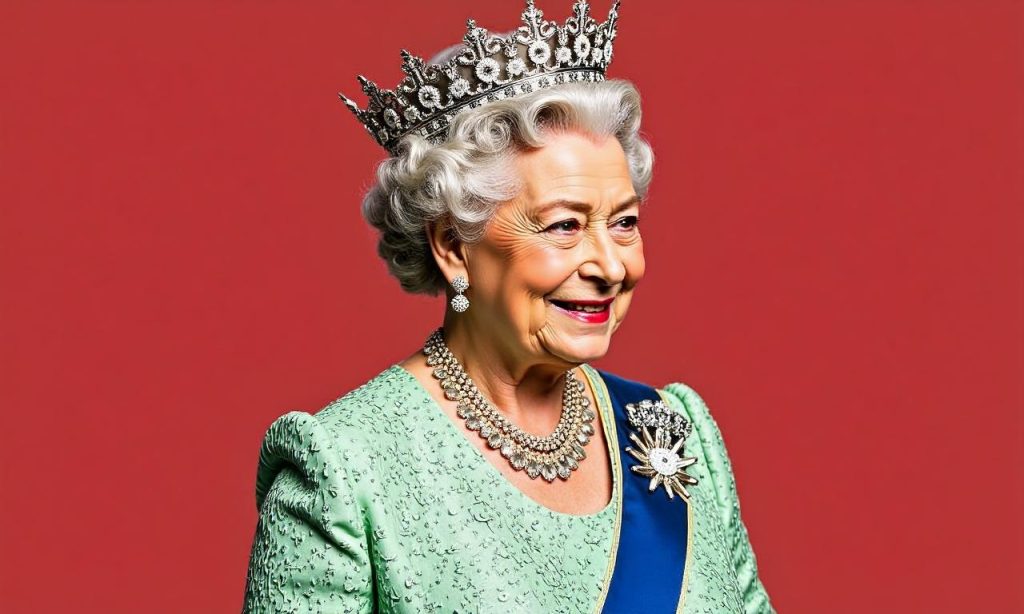
Queen Elizabeth II’s fashion legacy, though understated and traditional, became a defining feature of her public persona. Over her 70-year reign, her carefully curated outfits—ranging from casual tweeds to formal gowns—symbolised both her personal identity and the nation’s values. A recent exhibition at The King’s Gallery in Buckingham Palace explores this, highlighting 200 items from her life and celebrating the centenary of her birth on 10 April. Among the pieces, five stand out as emblematic of her style and the era’s cultural shifts.
A Sturdy Symbol of National Pride
One of the most enduring looks was her Harris tweed jacket paired with a Balmoral Tartan skirt, first worn in the 1950s. Designed by her long-time dressmaker Norman Hartnell, the ensemble reflected her affinity for the outdoors and a modest, approachable aesthetic. Yet royal fashion expert Marian Kwei notes that its message was far more deliberate. “The fabrics were crafted to showcase British fashion, excellence, and production,” she explains. The dress’s feminine silhouette and subdued tones, she adds, carried connotations of “stability, dependence, and soft power.” “It’s ‘I’m in charge,’ without being too loud about it,” Kwei says, highlighting how the look balanced authority with grace.
“If she was chasing fashion trends, we would think she was blown away by every wind,” says exhibition curator Caroline de Guitaut.
A Crown of Commonwealth Unity
The 1953 Coronation dress, another Hartnell creation, is a testament to British craftsmanship. Woven from Kent silk and adorned with gold bugle beads, diamantés, and pearls, the gown featured the floral emblems of the UK’s four nations. Notably, the Queen added symbols from other Commonwealth countries, including the Canadian maple leaf and India’s lotus flower, after selecting Hartnell’s eighth design. “The gown was pretty much a nod to Britain and the Commonwealth,” Kwei comments. “It’s really an indication of the kind of Queen we had and how she reigned,” she adds.
Green Gowns and Geopolitical Messaging
In 1957, Elizabeth II wore an elaborate sleeveless green gown at a state banquet for US President Dwight Eisenhower in Washington DC. While its design was elegant, the interpretation of its symbolism has sparked debate. “It’s absolutely beautiful,” says de Guitaut, “but I can’t quite see an overt reference in it to be honest.” Regardless of its intended message, the dress was worn during a pivotal Cold War visit aimed at strengthening transatlantic bonds. Kwei suggests the “apple crisp green” hue subtly acknowledged America, drawing on its cultural association with the United States. “From New York being known as ‘The Big Apple’ to the iconic status of ‘American Pie,’ apples have become synonymous with classic American imagery,” she notes. The outfit, she says, conveyed “I’m Britain’s sovereign, this is us, but I’m also nodding to you.”
Author Elizabeth Holmes observes that the Queen used her wardrobe early in her reign to “establish herself in a new way—a glamorous young woman on a global stage dominated by men.” The Hartnell-designed pieces, often with fitted waists and full skirts, “accentuated her femininity, rather than attempting to mask or hide it,” Holmes writes, underscoring the strategic role of fashion in shaping her image as both a monarch and a modern icon.
