
‘Endless fears’: Even if fighting stops, the damage to Iran’s children will endure
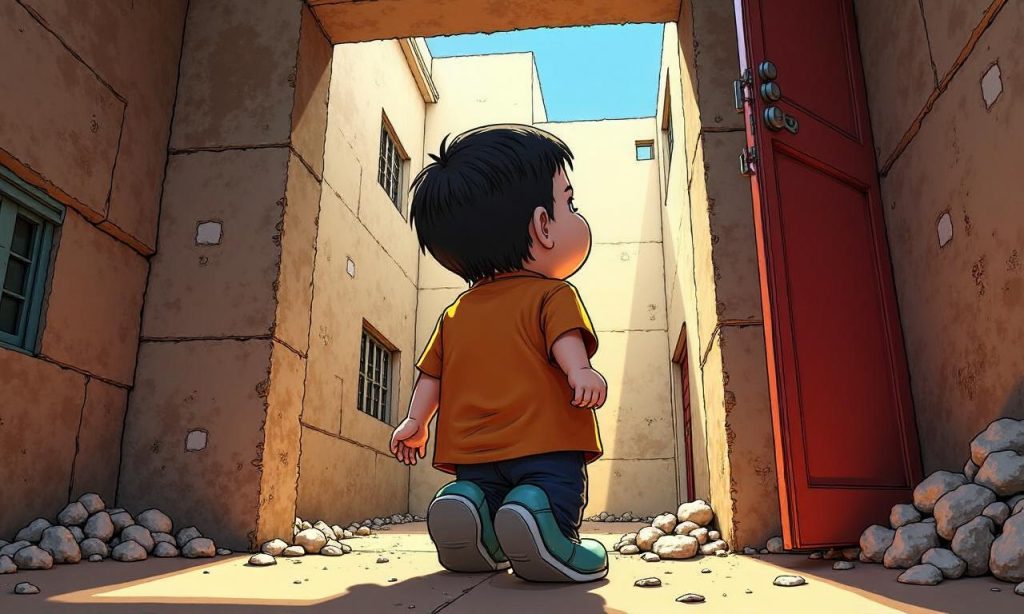
Endless Fears
Ali’s mind is haunted by the war. A sudden door slam or dropped utensils sends him into a panic. The ceasefire has done little to ease his torment. “Before the conflict, I never felt stressed,” he recalls. “Now, even minor sounds trigger a harsh reaction in my brain.” At just 15 years old, Ali grasps how the relentless noise of US and Israeli airstrikes has etched fear into his psyche. This condition, known as “hyper arousal” by psychologists, is a possible early sign of post-traumatic stress disorder.
A Family in Turmoil
Ali observes his parents’ anxiety closely. His father, unemployed due to the war, and his mother, perpetually on edge, have become a source of worry. “She jumps at the sound of jets overhead, showing clear signs of fear and stress,” he says. “I, too, am terrified. I’ve lost contact with my friends and can’t focus on learning. I dream of a future where I can work independently, but right now, I’m trapped in endless dread of bombs and political uncertainty.”
“Try to create a calm environment for him,” advises Aysha, a counselor at a Tehran-based human rights center. “Engage him through play, and if that fails, bring him here for support.” She explains that the center is overwhelmed with cases of sleeplessness, nightmares, and behavioral changes. “When a child is killed in protests or attacks, it’s a devastating blow to parents who’ve fought so hard to raise them,” she adds.
Across the region, from Iran to Israel and Lebanon, the war has left young lives in shambles. Schools remain closed, streets are guarded by militia, and families huddle at home, waiting for stability. The conflict has shrunk the world of children, forcing them to live with the constant threat of violence. The BBC, working with local informants, has gathered accounts from those affected.
Children as Combatants
The Iranian government has actively pushed for the involvement of minors in the war effort. Under its security laws, children under 15 can be recruited, violating international humanitarian norms. Officials have urged parents to send their sons to checkpoints, framing it as a rite of passage. “Take your children by the hand and step into the streets,” one regime leader urged. “Let them feel like heroes, commanding the battlefield. Mothers and fathers, send them to guard the roadblocks at night.”
“He wanted to become a martyr,” says Sadaf Monfared, the mother of Alireza Jafari, who was killed in a drone strike on March 29. The 11-year-old had joined his father at a checkpoint in Tehran, eager to prove himself. Amnesty International criticizes this practice, calling it a “grave violation of international law” and a “war crime.” The agency highlights that Iran’s legal framework permits the enlistment of children, exposing them to danger.
With over 20% of Iran’s population under 14—nearly 20.4 million children—the psychological toll is staggering. The war has left deep marks on their development, altering their sense of safety and future. Even as fighting pauses, the trauma lingers. “The damage to children will endure,” says Aysha, underscoring the lasting impact of a conflict that has disrupted their lives in ways that are hard to reverse.
