
Russia’s prison population falls by 40%, partly by sending convicts to fight in Ukraine
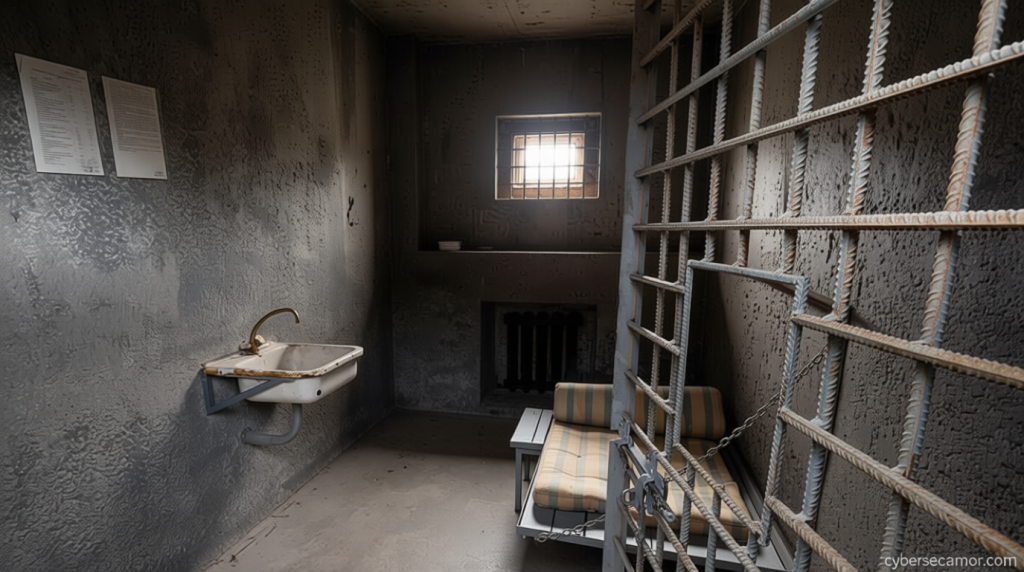
Russia’s Prison Population Falls by 40%, Partly Due to Convicts Being Sent to Ukraine
Russia s prison population falls by 40 – Over the past five years, Russia has seen a significant reduction in its prison population, with more than 180,000 inmates released or transferred. This decline, noted by the head of the country’s penitentiary service, Arkady Gostev, during a recent briefing, includes a notable shift in how convicts are managed. A major factor in this trend is the military’s strategy to deploy prisoners to the Ukraine front, where they are offered opportunities to shorten their sentences or even avoid them entirely, provided they survive the conflict.
Recruitment and Sentence Buyouts
Since the start of the war in 2022, Moscow has actively recruited prisoners to bolster its ranks on the battlefield. This initiative allows the military to utilize individuals who might otherwise remain in custody, while providing them with a chance to serve their country in exchange for reduced incarceration. According to Gostev, the number of prisoners in Russia has dropped from 465,000 at the end of 2021 to 282,000 as of 2026, citing the dual impact of recruitment and judicial reforms.
“If at the end of 2021 there were 465,000 prisoners, then now there are 282,000,” Gostev stated during a press conference on Thursday, as reported by TASS. He also highlighted that approximately 85,000 of the current inmate population is held in pre-trial detention.
While the military’s involvement has contributed to the decline, Gostev emphasized that other factors, such as the increased use of suspended sentences and alternative forms of punishment, have also played a role. These measures have allowed for the release of non-violent offenders, reducing the strain on the prison system. However, the war has introduced a new dynamic, with prisoners returning from the frontlines often bringing with them a sense of defiance or unrest.
Historical Context and Wartime Adjustments
Russia’s prison system, deeply rooted in the legacy of Soviet labor camps, has long been characterized by its size and severity. Despite this, the country’s inmate population has gradually decreased over the past two decades. Now, the pace of this decline has accelerated, partly due to the war’s demands. Gostev pointed out that the prison network, which once housed one of the world’s largest numbers of convicts, is being adapted to serve the country’s military objectives.
Prisoners are increasingly being used for production work, with thousands contributing to the war effort. Gostev revealed that an additional 16,000 inmates were deployed in 2025 for manufacturing tasks, highlighting the integration of the prison system into the wartime economy. “We produce goods for the special military operation worth around 5.5 billion rubles,” he stated, using Moscow’s terminology for its full-scale invasion of Ukraine. The total volume of production at prison sites that year reached 47 billion rubles, though he did not specify how much of this was allocated directly to military needs.
Social and Economic Implications
The shift in prisoner management has had broader implications for Russian society. Gostev noted that the reduction in incarceration has been accompanied by a rise in crime and social tension, as released convicts return to communities that may not be equipped to handle their reintegration. This has created a challenging environment for law enforcement and local authorities, who must balance public safety with the need to support the war effort.
Moreover, the war has exacerbated a labor shortage in Russia, with hundreds of thousands of men either deployed to the front or fleeing the country due to mandatory conscription. This has forced the government to repurpose its prison system as a source of labor, with inmates working on production sites and infrastructure projects. Gostev described this as part of a larger strategy to sustain the economy during the conflict, echoing the Soviet-era model of combining punishment with labor.
The use of prisoners for production is not a new concept in Russia. The system, inherited from the Gulag, has long been used to extract economic value from incarceration. However, the current scale of this practice has grown dramatically, with inmates now playing a direct role in manufacturing goods essential to the war. The combination of military service and labor has transformed the prison system into a dual-function institution, supporting both the state’s punitive and economic objectives.
Challenges and Criticisms
While the policy has helped alleviate overcrowding in prisons, it has also raised questions about the treatment of convicts. Critics argue that the system is being used to justify the deployment of prisoners to the frontlines, where they may face greater risks than those in the prison. Gostev defended the approach, stating that it is a practical solution to the country’s labor crisis and a way to maintain the wartime economy.
Additionally, the policy has drawn comparisons to historical practices of using prisoners as a workforce. The Soviet model, which prioritized industrial output over individual rights, has been revived in modern Russia. This has led to debates about whether the current system is exploiting inmates or providing them with a second chance to contribute to national efforts. Despite these concerns, Gostev remained confident in the effectiveness of the strategy.
The decline in prison numbers also reflects broader changes in Russia’s legal landscape. With the war creating a climate of urgency, courts have increasingly opted for lighter sentences or suspended terms, particularly for those who could be of use to the military. This has allowed for the rapid release of inmates, reducing the prison population while ensuring that the armed forces have access to a steady supply of manpower.
Future Outlook
As the war continues, the prison system’s role is likely to evolve further. Gostev suggested that the trend of utilizing convicts for military and economic purposes will persist, given the ongoing need for labor and the flexibility it provides in managing prison populations. The question remains whether this strategy will continue to support the war effort or begin to affect the prison system’s long-term sustainability.
Despite the challenges, the current approach has demonstrated a pragmatic response to the crisis. By integrating prisoners into the wartime economy, Russia has found a way to address both its manpower shortages and the overburdened prison system. However, the long-term consequences of this policy will depend on how effectively the government can balance the needs of the military, the legal system, and the broader population.
With the prison population still in decline and the war effort showing no signs of slowing, the system’s adaptation to new roles is likely to continue. Gostev’s statements underscore the evolving nature of Russia’s penitentiary service, which is now serving as a critical component of the country’s strategic response to the conflict. As the war progresses, the prison system may become an even more integral part of the national machinery, shaping both the social and economic fabric of Russia in the years to come.

