
Big Tech critics hail ‘Big Tobacco moment’ in landmark social media verdict
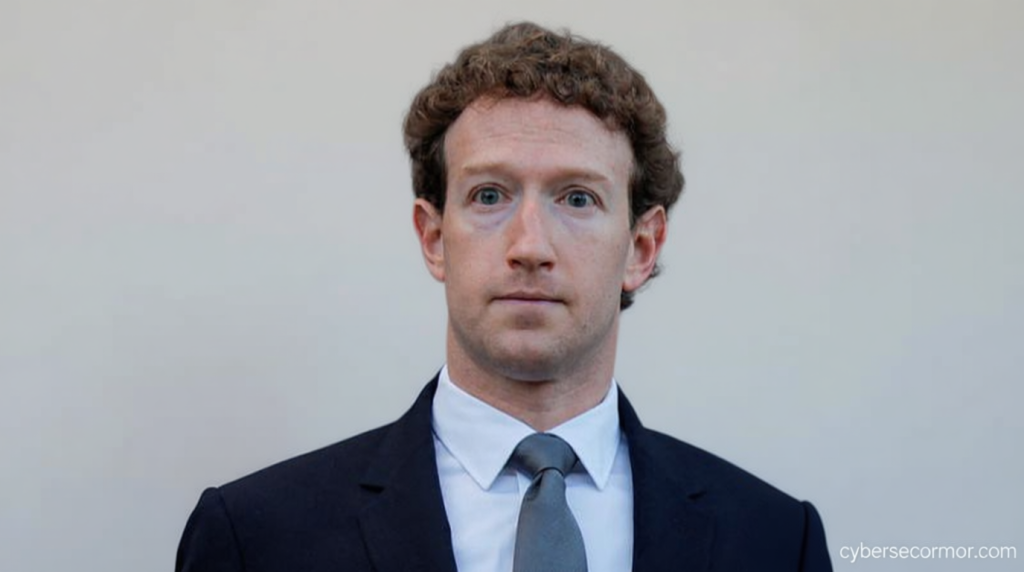
Big Tech critics hail ‘Big Tobacco moment’ in landmark social media verdict
The ruling from a social media addiction trial, announced on Wednesday, marks a significant milestone after years of advocacy. Parents, child safety advocates, and lawmakers have long argued that tech giants like Meta and Google should be held responsible for the negative effects of their platforms on young users. Sarah Gardner, CEO of the Heat Initiative, a group formed to “exert pressure on major technology firms,” emphasized the ruling’s importance, stating that “today’s decision is a turning point for social media’s accountability, much like the tobacco industry faced in the past.”
Alvaro Bedoya, a former FTC commissioner under Biden, tweeted that “a jury of everyday individuals achieved what Congress and state legislatures have struggled to do: proving that Meta and Google deliberately designed their apps to harm children.” The case focused on allegations that these companies built addictive features to keep teens engaged, leading to mental health issues and other consequences. Despite their investments in safety tools for younger users, both Meta and Google expressed disagreement with the verdict.
Meta stated in a press release that “the jury’s finding does not reflect the full complexity of teen mental health, which is influenced by many factors beyond a single app.” Similarly, Google’s spokesperson José Castañeda claimed that “the trial misunderstood YouTube’s role, positioning it as a social media platform rather than a responsibly designed streaming service.” The plaintiff, Kaley (also known as KGM), claimed that her excessive use of these platforms led to anxiety, body dysmorphia, and suicidal thoughts.
Experts and advocates see broader implications
Jonathan Haidt, author of “The Anxious Generation,” called the verdict a “new era in the battle to shield children from online harm.” He credited the families who “endured a difficult legal process” to push for accountability. “This is just the beginning,” Haidt added. “Thousands of cases will follow, holding Meta, Snap, TikTok, and YouTube to the same standard as Big Tobacco.”
“For the parents who lost their children to social media’s impact, this verdict brings a long-awaited sense of justice,” said a representative from Parents for Safe Online Spaces. “The jury’s decision proves that these companies can no longer act with such indifference toward the well-being of their youngest users.”
Parents who believe their children’s deaths were linked to social media attended the trial in Los Angeles, highlighting the ongoing concerns. The Kids Online Safety Act, which has been proposed for years, aims to require tech platforms to implement multiple safeguards for minors. Republican Senator Marsha Blackburn, a supporter of the bill, argued that the ruling “provides the momentum needed for Congress to pass the act and protect American families.”
Democratic Senator Ed Markey echoed this sentiment, stating that “Big Tech’s Big Tobacco moment has arrived.” He urged Congress to “take action and establish real guardrails for these platforms,” stressing that “the courtroom alone cannot solve this issue.” As the legal battle continues, the verdict is expected to influence future legislation and public perception of tech companies’ responsibilities toward children.
