
Who is Mojtaba Khamenei, Iran’s new supreme leader?
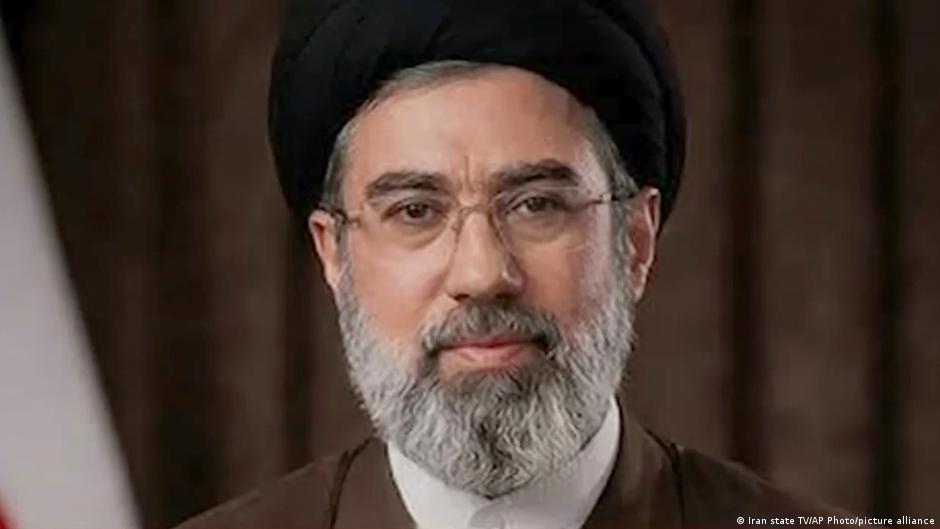
Who is Mojtaba Khamenei, Iran’s new supreme leader?
Iran’s Assembly of Experts has officially named Mojtaba Khamenei as the nation’s next supreme leader. The 56-year-old cleric, son of the late Ali Khamenei, who was assassinated in an Israeli attack on February 28, is set to inherit the mantle of Iran’s most powerful political position. His selection marks a significant moment in the country’s ongoing conflict with the United States and Israel.
Background of Mojtaba Khamenei
Mojtaba Khamenei, born on September 8, 1969, in Mashhad, has emerged as a key figure in Iran’s political landscape. He is the second child of Ali Khamenei, the former supreme leader whose death in an Israeli strike sparked widespread mourning. The 88-member Assembly of Experts, which chose him on March 8, has positioned him as the next leader of the Islamic Republic.
Reactions from International Leaders
“Appointing Khamenei’s son is unacceptable,” said Donald Trump, highlighting concerns about the lack of coordination with Washington. The U.S. leader also claimed the new leader would “not last long” without such alignment.
Israel’s defense minister echoed similar apprehensions, stating that whoever replaces Ali Khamenei would become “a target for elimination.” Mojtaba is viewed as a continuation of his father’s legacy, with his hardline governance style anticipated to persist in Iran’s power structure.
Political Influence and Allegations
Mojtaba is often described as enigmatic yet deeply embedded in Iran’s political circles. He maintains strong ties with the Islamic Revolutionary Guard Corps (IRGC), which many analysts see as the dominant force in the country’s affairs. Despite his low public profile, he wields considerable influence, particularly within the IRGC’s ranks.
His political clout was first noted in the mid-1990s, when officials began recognizing his growing role. By 2005, Mojtaba is believed to have orchestrated the presidential elections, paving the way for Mahmoud Ahmadinejad’s unexpected victory. This move reportedly sidelined Akbar Hashemi Rafsanjani, who remained silent after the results.
Economic Power and Assets
Government insiders claim that over 60% of Iran’s economy operates through entities under Ali Khamenei’s control, including the Mostazafan Foundation and the Khatam al-Anbiya Construction Headquarters. Mojtaba is suspected of overseeing these financial operations, which have drawn scrutiny for their complexity and reach.
A 2026 Bloomberg investigation revealed that Mojtaba’s assets extend beyond Iran, with high-value properties in London and Dubai, as well as interests in European banking, shipping, and hospitality sectors. These holdings are often structured through intermediaries and layered corporate entities across multiple jurisdictions.
Early Life and Career Path
After completing secondary education at Alavi School, Mojtaba enrolled in the Qom seminary, where he studied under influential clerics. His early years were shaped by his father’s rise as a leader in the anti-monarchist movement, which culminated in the 1979 Islamic Revolution. He joined the IRGC in 1987 and spent seven years in Sardasht and Mahabad, receiving foundational education in the northwest of the country.
