
Middle East conflict: Do US voters back Trump’s Iran war?
Middle East conflict: Do US voters back Trump’s Iran war?
Recent US military actions in the Middle East have sparked debates over their impact on the economy, particularly as they drive up oil prices and fuel inflation. Amid these developments, a critical question emerges: does Donald Trump’s core support base, the MAGA movement, rally behind his strategy of targeting Iran?
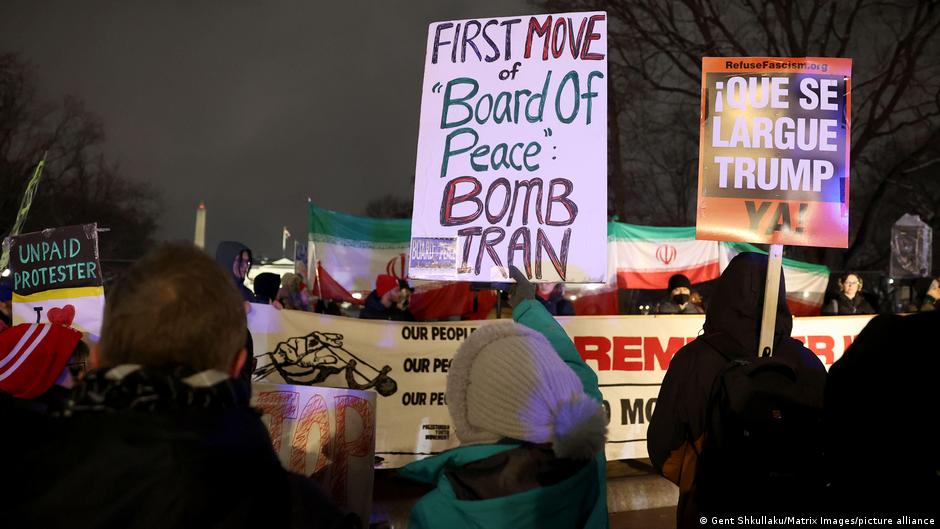
Until a few months ago, Trump positioned himself as a leader who championed peace, claiming to have resolved global conflicts. He even created the Board of Peace and suggested he deserved a Nobel Peace Prize. However, the escalation of attacks on Iran since February 28 has shifted this narrative. Trump’s reputation as a peacemaker now seems challenged, especially with his January intervention in Venezuela, where he ousted leader Nicolas Maduro using military force.
Contrary to his pledge to avoid “forever wars,” Trump’s recent actions mark a departure from his earlier promises. His rhetoric of “no more forever wars” once resonated deeply with MAGA supporters, yet the current war in the Middle East is testing that loyalty. Analysts suggest that domestic backlash could grow if the economic toll becomes more apparent.
A recent CNN poll reveals that 59% of respondents oppose the US strikes on Iran, while 41% support them. Reuters’ findings show a slightly different trend, with 43% rejecting the war, 27% backing it, and 29% uncertain. Despite this, Trump’s Republican allies largely endorse the campaign, though internal divisions have begun to surface. Ex-Fox News commentator Tucker Carlson criticized the strikes, calling them “absolutely disgusting and evil.”
“As soon as the economic consequences are felt in the US, criticism will increase,” says Johannes Thimm, head of the Americas research group at the SWP. He notes that rising fuel costs, caused by disrupted shipments, are worsening inflation—a key issue Trump promised to combat. “And the war will place a heavy burden on the American budget.”
Jonathan Katz, a Brookings Institution analyst, adds that the Middle East conflict could intensify domestic concerns. “The current situation is more likely to exacerbate domestic issues, including a shaky economy and rising energy prices,” he explains. The US Congress, led by Republicans, has remained focused on topics like Jeffrey Epstein and ICE, but the war in Iran is diverting attention from these priorities.
The Democrats have introduced a War Powers Resolution to curb presidential authority, though its success is seen as symbolic. The Senate already rejected it, highlighting the constitutional principle that Congress holds the right to declare war. Yet, modern conflicts often begin without formal declarations, allowing presidents to act unilaterally for up to 60 days. Thimm argues that Trump’s actions against Iran qualify as a major war, even without ground troops. “This is something that would definitely require approval,” he says.
Thomas Warrick of the Atlantic Council warns that Trump’s unilateral approach could backfire. “He will own the outcome,” he writes, noting that if the war fails, it could derail his domestic agenda. With midterm elections approaching in November, Republicans face a dilemma: supporting the war risks alienating voters, while opposing it might weaken their alignment with Trump.
