
In Iran, hope gives way to fear as conflict rages on
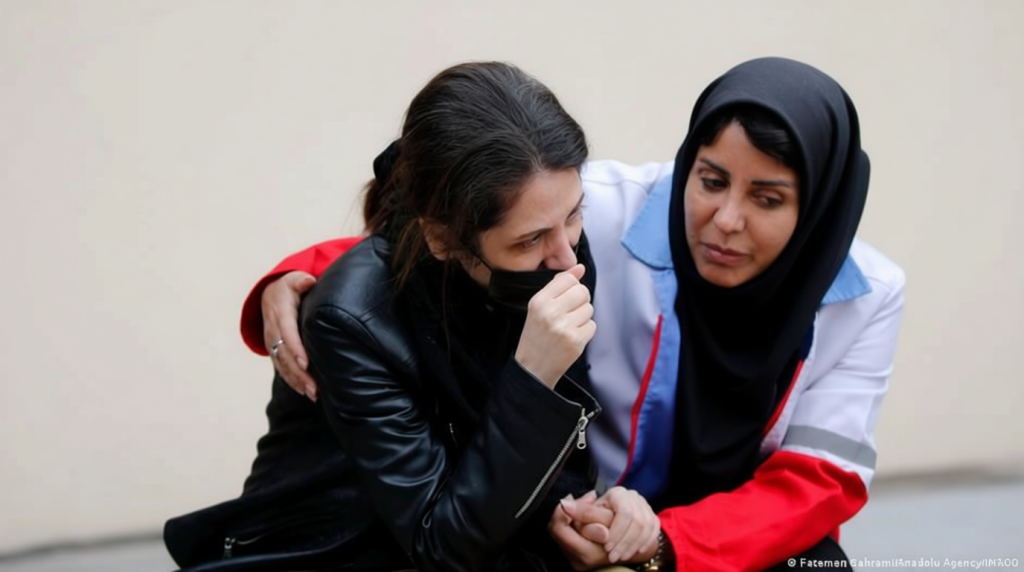
Hope Erodes in Iran as Conflict Intensifies
More than a month into the US-Israeli strikes targeting Iran, initial optimism for regime collapse has faded. Interviews with Iranians reveal growing disillusionment as the conflict extends into its fourth week, with civilian infrastructure under attack and daily life growing more uncertain. The Islamic Republic, despite relentless bombardment, remains intact, casting doubt on early assumptions about its vulnerability.
A Call for Revolution
At the war’s onset, some Iranians viewed the strikes as an opportunity to challenge the clerical government. US President Donald Trump urged citizens to “take over your government,” suggesting that regime change might not come soon. However, as air strikes and missile attacks continue, that vision has dimmed. “The government still stands, and that has shifted our focus from change to survival,” said an anonymous Tehran resident, reflecting the mood of many.
“Despite all this destruction, the government is still standing, and that has caused the initial assumptions about the outcome of the war to give way to disappointment and concern.”
Uncertainty and Unrest
Initially, there were hopes that foreign military pressure could trigger widespread unrest. The country had recently experienced nationwide protests, which security forces suppressed violently. Yet, as the conflict drags on, the focus has shifted from regime instability to the duration of the war and the toll on civilians. The attack on a girls’ school in Minab became a stark symbol of this change, highlighting the increasing risk to everyday life.
“Failing to show up at work could be interpreted as a strike or a protest, which has placed even more pressure on people.”
Diverging Objectives and Doubt
Uncertainty about the war’s purpose has deepened. Babak Dorbeiki, a former deputy at Iran’s Strategic Research Center, noted that Israel and the United States have conflicting aims. “Israel seeks collapse, while the US appears more focused on containment,” he explained. This divergence has left Iranians questioning the long-term outcome, with fear now overshadowing hope.
With infrastructure damaged and economic strain mounting, many now worry about the regime’s resilience. If the Islamic Republic endures, it may face renewed challenges, including harsher repression, prolonged sanctions, and a society further destabilized by war. The psychological burden of constant threat is palpable, as citizens navigate a landscape where absence from work risks political scrutiny.
As the conflict lingers, the initial spark of resistance has given way to a pervasive sense of exhaustion. The war’s toll is no longer just physical, but deeply emotional, reshaping how Iranians perceive their future under the regime. The fate of the country now hinges on whether the attacks will weaken its grip or merely extend its endurance.
