
Iran says it will ‘facilitate and expedite’ humanitarian aid through Strait of Hormuz
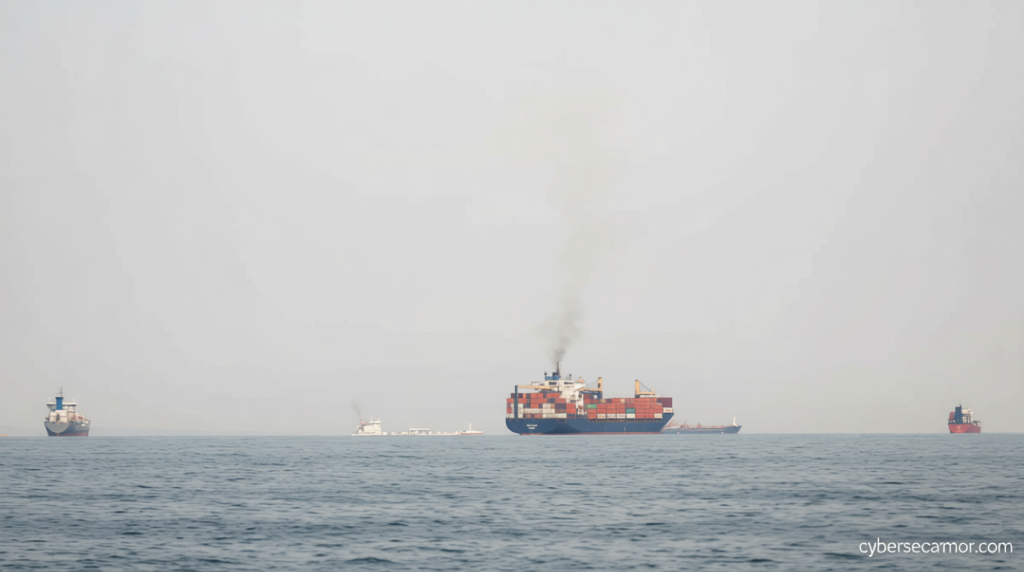
Iran Pledges to Streamline Humanitarian Aid via Strait of Hormuz
Iran’s ambassador to the United Nations in Geneva, Ali Bahreini, stated on Friday that Tehran has committed to “facilitate and expedite” the passage of humanitarian supplies through the Strait of Hormuz. This decision coincided with the day Israeli air strikes damaged two of Iran’s nuclear facilities, marking a pivotal moment in the ongoing conflict. The move is set to become the first major easing of supply constraints at the vital waterway since the war began a month prior.
Nuclear Facilities Targeted
The Iranian Atomic Energy Organisation confirmed that the Shahid Khondab Heavy Water Complex in Arak and the Ardakan yellowcake production plant in Yazd Province were hit by Israeli strikes. According to IRNA, the attacks caused no casualties and posed no risk of radiation contamination. The Arak plant, already out of operation since June’s previous assault, was further impacted. Yellowcake, a refined uranium product, is crucial for nuclear fuel production, while heavy water serves as a reactor moderator. Israeli military sources noted that the Yazd plant processes raw materials for uranium enrichment, describing the strike as a substantial setback to Iran’s nuclear program.
“This measure reflects Iran’s continued commitment to supporting humanitarian efforts and ensuring that essential aid reaches those in need without delay,” said Bahreini in a post on X.
International Response and Diplomatic Efforts
The UN announced a task force to assess the effects of the war on aid distribution, emphasizing the urgency of the situation. Meanwhile, the IAEA reiterated its call for “restraint” following the strikes, noting “no increase in off-site radiation levels” at the targeted sites. Iranian Foreign Minister Abbas Araghchi, referencing U.S. President Donald Trump’s extended diplomacy deadline, warned that the attacks would result in “a heavy price for Israeli crimes.”
Diplomats from Pakistan and Turkey have sought to arrange a direct dialogue between U.S. and Iranian representatives. At the same time, the G7 foreign ministers meeting in France called for an immediate stop to assaults on civilians and infrastructure, underscoring global concerns over the conflict’s humanitarian fallout.
U.S. Military Deployment and Strategic Goals
U.S. ships are moving toward the region, carrying around 2,500 Marines and over 1,000 paratroopers from the 82nd Airborne Division, trained for rapid insertion into hostile zones to secure strategic positions. Despite this deployment, Secretary of State Marco Rubio claimed most U.S. objectives in Iran are “ahead of schedule,” asserting that “we can achieve them without any ground troops.” The Islamic Revolutionary Guard Corps (IRGC) warned of retaliation, with Aerospace Force commander Seyed Majid Moosavi urging employees linked to the U.S. and Israel to “abandon their workplaces” and vowing a response disproportionate to the attack.
“This time, the equation will no longer be ‘an eye for an eye,’ just wait,” Moosavi remarked on X, signaling Iran’s readiness to escalate tensions. However, the UN atomic watchdog remained cautious, emphasizing the need for restraint to prevent nuclear incidents.

