
Bigger than ever: WUF13 ends with global call for action
Bigger than ever: WUF13 ends with global call for action
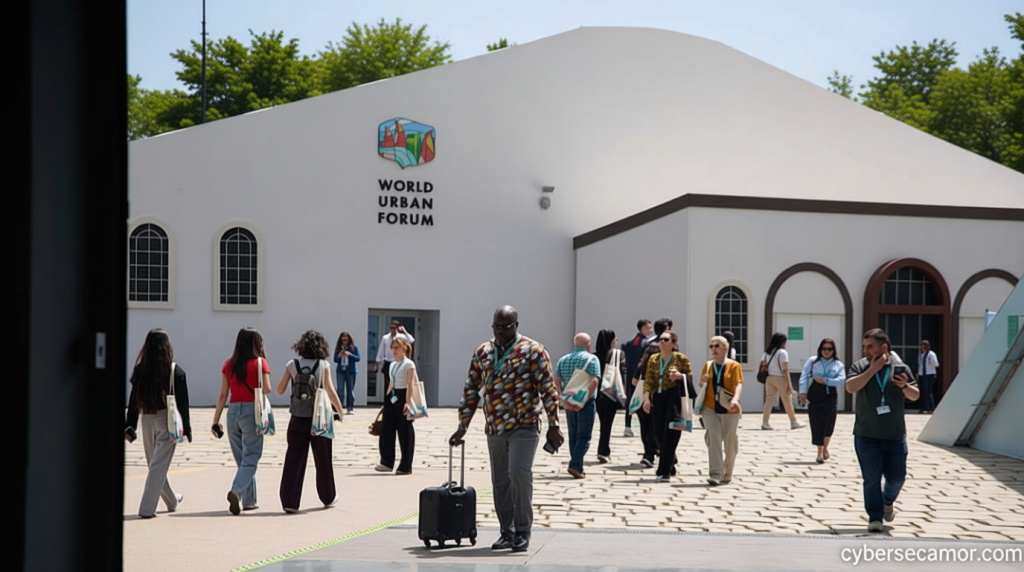
Bigger than ever – The World Urban Forum (WUF13) concluded in Baku, marking a pivotal moment in the global dialogue on urban development. As the event drew to a close, UN-Habitat Executive Director Anacláudia Rossbach underscored the growing importance of housing as a cornerstone of societal stability. She framed the issue as a “systemic global challenge that shapes inequality, opportunity, resilience, and stability and peace in our cities and societies.” According to Rossbach, affordability pressures, displacement, and climate vulnerability have intensified the urgency of this problem, transforming it into a defining concern for urban communities worldwide.
Rossbach emphasized that the Forum’s final statement, known as the Baku Call to Action, highlighted the intricate nature of addressing housing challenges. It called for integrated solutions that combine land use, financial systems, infrastructure, and governance to build climate-resilient and inclusive cities. “The complexity of housing solutions requires collaboration across multiple sectors,” she noted, stressing that urban transformation must be a coordinated effort. This multifaceted approach, she argued, is essential to ensuring that housing remains a fundamental right rather than a privilege.
The WUF13 gathered an unprecedented number of participants, exceeding 57,000 from over 176 nations. Rossbach praised the diversity of attendees, stating, “never before has a forum of this nature brought together such a vast and diverse global audience.” This broad representation, she explained, reflects the interconnectedness of urban challenges and the necessity of shared strategies to combat them. The event served as a platform for cross-border collaboration, with delegates from various regions contributing their perspectives to the discussion.
Azerbaijan’s WUF13 National Coordinator, Anar Guliyev, highlighted the country’s role in the forum. He noted that the theme of WUF13 placed housing at the forefront of the global urban agenda. “Access to adequate, affordable, safe, and resilient housing remains one of the defining challenges of our time,” Guliyev remarked, emphasizing the importance of the topic for future urban planning. He also mentioned that Azerbaijan’s post-conflict reconstruction efforts were a focal point of the discussions, offering insights into how other nations could address similar issues.
During an interview with Euronews, UN Deputy Secretary-General Amina Mohammed warned of the escalating scale of the housing crisis. “We are going to see much more displacement from climate and from the conflicts that we are not able to solve,” she stated. Mohammed argued that the world must rethink financial mechanisms to ensure everyone can secure a place to live. “Designing better financial systems is crucial,” she said, stressing that housing is not merely about shelter but about preserving communities and dignity.
“This is a wake-up call that over 70% of the human population is going to live in cities by 2050 and we have a chance to lay the foundations by 2030,” Mohammed said. She added, “The world can find solutions to be more resilient and more inclusive, so we could leapfrog if we could just get our ducks aligned.”
Mohammed also addressed the global impact of climate-related events, including the potential for a “Super El Nino” this year. “This will bring incredible heat into many, many countries that already are suffering from it,” she warned, while also pointing to increased flooding. “The world is not prepared for these disasters,” she said, highlighting the need for proactive measures to mitigate their effects. Her comments underscored the growing interplay between environmental factors and urban development.
Another critical aspect of the housing crisis, according to Mohammed, is its effect on inequalities. She described how these disparities threaten the social contract, making democracy less effective and eroding people’s sense of dignity. “The breakdown of the social contract is evident when access to basic needs like housing is limited,” she explained. This perspective ties into broader concerns about economic structures and how they prioritize certain groups over others.
Young people, in particular, face unique challenges in the housing market. Mohammed pointed out that “a lot of young people feel completely priced out of cities,” a phenomenon she attributed to rising costs and stagnant incomes. “What used to be renting a flat is now renting a tiny little room for vast amounts more money,” she said. This trend, she warned, creates anxiety and undermines the sense of security that education and hard work are meant to provide.
“It must be very frightening for young people who thought with an education they had prospects,” Mohammed added. “As more children are adults now, they are living with their parents longer.” She called for policies that address this issue, stating, “This cannot possibly go this way without serious intervention.”
Mohammed also linked the housing crisis to mental health and societal well-being. “The lack of affordable housing contributes significantly to anxieties and mental health challenges among young people today,” she said. “They are given an education, expected to connect with the job market, and yet when they get a job, they can’t afford rent.” This, she argued, reveals a flaw in how economies are structured, particularly in their inclusiveness for the younger generation.
Reflecting on the forum’s outcomes, Hikmet Hajiyev, assistant to the president of Azerbaijan and head of the Foreign Policy Affairs Department, noted the relevance of the country’s post-conflict recovery experience. “Azerbaijan’s own efforts in rebuilding cities have been a key part of the global conversation,” he said. Hajiyev described how the nation has focused on reconstructing nine cities and 300 settlements, emphasizing the lessons learned from these initiatives.
The Baku Call to Action, as highlighted by Rossbach and Mohammed, represents a call for unity and comprehensive strategies to address housing as a global priority. It urges nations to align their policies, investments, and governance to create cities that are both resilient and inclusive. “The international community must step up its commitment,” Rossbach said, noting that the Forum’s conclusion is a catalyst for immediate action.
As the WUF13 draws to a close, the message is clear: housing is no longer a peripheral issue but a central concern for sustainable development. The event has galvanized leaders, experts, and citizens to collaborate on solutions that will shape the future of urban living. With over 70% of the global population projected to reside in cities by 2050, the need for transformative policies has never been more urgent. The Baku Call to Action serves as a roadmap for achieving this goal, ensuring that cities become spaces of opportunity, resilience, and dignity for all.

