
Belarus stages nuclear drills with Russia as Kyiv warns of new offensive
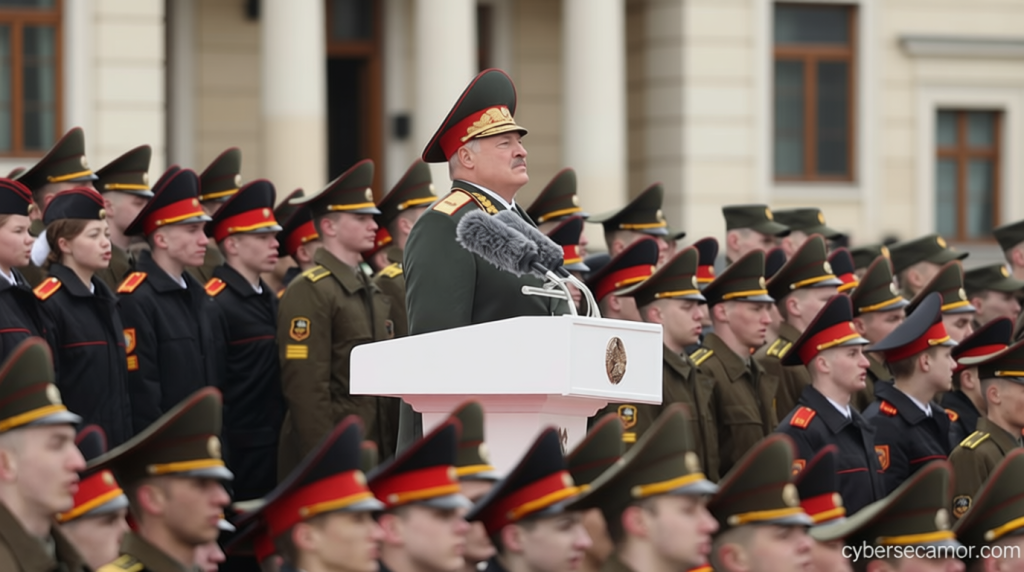
Belarus Stages Nuclear Drills with Russia as Kyiv Warns of New Offensive
Belarus stages nuclear drills with Russia, escalating tensions in the Eastern European region as Ukrainian President Volodymyr Zelenskyy issues warnings about a potential new offensive. The drills, which took place in mid-May, involved coordinated military exercises between Belarusian and Russian forces, focusing on the deployment and readiness of nuclear munitions. Officials in Minsk confirmed the drills are part of a broader strategy to enhance interoperability and preparedness for scenarios requiring nuclear capabilities. The timing of the exercise has raised concerns in Kyiv, with Zelenskyy suggesting that Russia aims to use Belarus as a strategic foothold to expand its military operations beyond Ukraine’s borders.
The Strategic Partnership and Military Alignment
Belarus stages nuclear drills as part of its deepening alignment with Russia, a relationship that has grown since the 2022 full-scale invasion of Ukraine. The country, ruled for over three decades by President Alexander Lukashenko, has been a key ally to Moscow, allowing the deployment of advanced weaponry, including Russia’s hypersonic Oreshnik missile, to its territory. The drills, which reportedly involved both aviation and missile forces, were described by Belarusian authorities as a routine exercise to prepare for nuclear warfare. However, the exercise has been interpreted by some as a demonstration of readiness to support Russia’s military ambitions, potentially positioning Belarus as a launchpad for further aggression.
Belarus’s nuclear drills have drawn attention from NATO and the United States, which have been closely monitoring Russia’s evolving strategies. With the New START nuclear arms control treaty between Russia and the US having expired in February 2026, the international community now has fewer restrictions on the deployment of strategic nuclear weapons. Belarus stages nuclear drills in this context, highlighting its role as a buffer state between Russia and NATO. The exercises are believed to test coordination between Moscow and Minsk, ensuring a rapid response capability in case of a heightened conflict.
Ukrainian Fears and the Border Reinforcement
Ukrainian President Volodymyr Zelenskyy has raised alarms about Russia’s plans to launch a new offensive from Belarus, citing the recent nuclear drills as evidence of Moscow’s growing aggression. During a press conference on May 17, Zelenskyy stated that Russia is considering operations in both the northern and southern directions, potentially targeting key Ukrainian cities or NATO members. This warning comes as Ukrainian forces have been reinforcing their border with Belarus, anticipating a possible incursion. The drills, which began on May 18, are seen by Kyiv as a precursor to Russia’s next move, underscoring the precarious balance of power in the region.
Belarus stages nuclear drills as a symbolic gesture of solidarity with Russia, while also signaling its strategic importance in the war effort. The drills reportedly included simulated scenarios of nuclear missile launches, emphasizing the country’s capability to support Moscow’s military infrastructure. Analysts note that Belarus’s involvement in these exercises has been critical for Russia’s logistical planning, enabling the rapid movement of troops and weapons across the border. The drills also serve to reinforce the alliance between Minsk and Moscow, ensuring that Belarus remains a reliable partner in the face of Western sanctions and NATO’s growing influence.
The Kremlin has defended its actions, dismissing Ukrainian accusations as an attempt to stoke fear. In a statement issued on May 18, Russian officials claimed that the drills are purely defensive and do not threaten regional stability. However, Zelenskyy’s warning highlights the perceived risk of Belarus being used as a staging ground for further attacks. The Ukrainian leader argued that Russia’s repeated use of nuclear rhetoric, coupled with the expansion of its military presence in Belarus, signals a broader strategy to destabilize the NATO alliance. This has prompted concerns among Western nations, who fear that Belarus stages nuclear drills could mark the beginning of a new phase in the war.

