
South Korea: cubism opens new Centre Pompidou outpost in Seoul
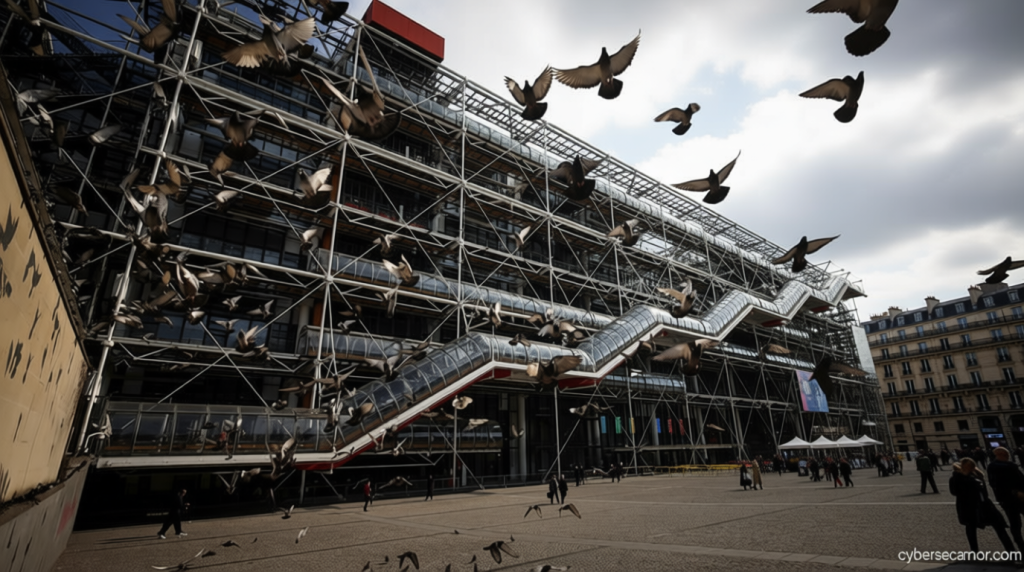
Centre Pompidou Expands Global Presence with Seoul Outpost
South Korea – France’s iconic modern art museum, the Centre Pompidou, is taking a bold step into South Korea by launching its first overseas branch in Seoul. This move, part of the museum’s broader Constellation programme, aims to share its extensive collection with international audiences while maintaining its core mission in Paris. The initiative marks a significant milestone in cultural exchange, reflecting the growing importance of Asian markets in the global art scene.
The Paris-based museum’s flagship location, situated in the Beaubourg district, will undergo a major renovation, closing temporarily until 2030. This period of redevelopment has prompted the institution to focus on external exhibitions, leveraging its vast global network to showcase works in different regions. The decision to open a Korean branch coincides with the museum’s efforts to maintain public engagement during its absence in Paris.
Seoul’s New Cultural Hub
On 4 June, the Centre Pompidou will unveil its Seoul outpost in the financial district of Yeouido. This will be the second Asian location after Shanghai, where the museum has already established a presence. The new venue, named “Centre Pompidou Hanwha,” is a collaboration between the Paris institution and the Hanwha Cultural Foundation, a South Korean organization dedicated to promoting arts and culture.
Jade Kaunhye Lim, exhibition director at the Hanwha Cultural Foundation, emphasized the symbolic importance of the opening. “To commemorate the 140th anniversary of diplomatic ties between Korea and France, we are inaugurating the Centre Pompidou Hanwha as a shared project with the Paris museum,” she said. The partnership not only celebrates cultural milestones but also underscores the mutual respect between the two nations.
The collaboration includes a four-year agreement to host two major exhibitions annually in Seoul. These events will draw from the modern and contemporary art collections of the Paris museum, offering Korean audiences access to renowned masterpieces and international curatorial projects. “We intend to present iconic works from the 20th century, as well as exhibitions created by our own team,” Lim added, highlighting the dual focus on global art and local curation.
Cubism as the Launching Point
The inaugural exhibition at the Seoul outpost will explore the revolutionary movement of Cubism, titled “The Cubists: Inventing Modern Vision.” This curated showcase will feature over 100 artworks on loan from the Paris museum, including pieces by 54 artists. Among them are the pioneers Pablo Picasso, Georges Braque, and Fernand Léger, whose contributions redefined artistic perception in the early 1900s.
Laurent Le Bon, president of the Centre Pompidou, described the choice of Cubism as a deliberate and impactful one. “Cubism represents a pivotal artistic shift, and I believe this is the first large-scale exhibition on the topic in Asia in over half a century,” he stated. The exhibition aims to highlight the movement’s transformative influence, bridging the gap between European innovation and Asian audiences.
“Cubism is a demanding choice, and I can confidently say this is the first major exhibition devoted to the movement in Asia in fifty years. With more than a hundred works, many from the Centre Pompidou’s collection, we’re offering a rare opportunity to experience the essence of modern art.”
The Seoul branch will serve as a platform to celebrate both historical and contemporary art. By featuring a broad range of Cubist works, the exhibition will not only educate visitors about the movement’s origins but also inspire new interpretations of its legacy. The Hanwha Foundation for Culture explained that the event will be a cornerstone of its efforts to foster artistic dialogue between Korea and France.
Beyond Art: A Gateway for Korean Creativity
While the primary goal of the Seoul outpost is to display international masterpieces, its role extends beyond mere exhibition. “We want to act as a launchpad for Korean art to gain international recognition,” Lim noted. The partnership with the Centre Pompidou provides a unique opportunity to elevate Korean artists through its global reach.
By hosting joint exhibitions and featuring works from both French and Korean collections, the venue will create a dynamic space for cross-cultural dialogue. This approach aligns with the broader vision of the Constellation programme, which seeks to democratize access to modern art. The Korean branch will also provide a platform for local artists to engage with international curators and audiences, fostering a more interconnected art world.
Le Bon highlighted the strategic significance of the project. “Choosing Cubism is more than a thematic decision—it’s a statement about the movement’s enduring relevance,” he said. The exhibition will not only honor the contributions of early 20th-century pioneers but also demonstrate how their ideas continue to shape contemporary artistic practices.
“This is a defining moment for us, and by selecting Cubism, we are celebrating the movement that redefined how we view the world. For us, this project is a signal of our commitment to cultural exchange and innovation.”
The Seoul outpost is expected to become a key destination for art enthusiasts, offering a unique blend of European heritage and Korean creativity. The exhibition’s focus on Cubism sets a high standard for future events, which will include works by artists like Henri Matisse and Marc Chagall. These selections will further diversify the museum’s programme, ensuring a rich and evolving cultural experience for visitors.
With its opening in Yeouido, the Centre Pompidou Hanwha aims to establish Seoul as a vital hub for modern and contemporary art. The collaboration between the Paris museum and South Korea reflects a shared ambition to bring art closer to the public while expanding the reach of cultural institutions. As the first Asian branch of the Centre Pompidou, this outpost will play a crucial role in shaping the future of art exchange between the two regions.
A Legacy of Innovation and Collaboration
The success of the Seoul branch depends on its ability to balance tradition with innovation. While the Centre Pompidou is known for its bold modernist approach, the new venue will also incorporate elements of Korean culture into its programming. This fusion of styles will create a distinctive identity for the outpost, setting it apart from other international branches.
Lim expressed her enthusiasm for the partnership’s potential. “This collaboration will not only enrich the cultural landscape of Seoul but also deepen the relationship between Korea and France,” she said. The museum’s leadership believes that the joint efforts will foster long-term artistic connections, benefiting both nations and their audiences.
The Centre Pompidou’s expansion into South Korea is a testament to the museum’s global vision. By opening a second Asian site, it reinforces its position as a leader in modern art and cultural diplomacy. The renovation of the Paris location, expected to conclude in 2030, will allow the museum to refocus its efforts on international outreach, ensuring its continued influence in the art world.
As the Seoul outpost prepares to welcome visitors, it aims to create an immersive experience that highlights the historical and cultural significance of Cubism. The exhibition will feature a wide array of works, from early experiments in fragmented forms to later interpretations of the movement. This comprehensive approach will provide a deeper understanding of how Cubism evolved and impacted global art.
With its inaugural event, the Centre Pompidou Hanwha is setting a precedent for future collaborations. The museum’s leadership believes that the success of this venture will pave the way for more joint initiatives, further solidifying its presence in Asia. As the first major exhibition on Cubism in the region in decades, this event is poised to become a landmark in cultural history.
Ultimately, the opening of the Centre Pompidou in Seoul represents more than a physical expansion—it symbolizes a shift in how art is shared and experienced. By bridging the gap between Paris and Asia, the museum is creating a new space for creativity, dialogue, and discovery. As the first chapter of this partnership unfolds, it promises to inspire a generation of art lovers and creators in both countries.

