
Les Invalides: 350 years of service to wounded soldiers and victims of war
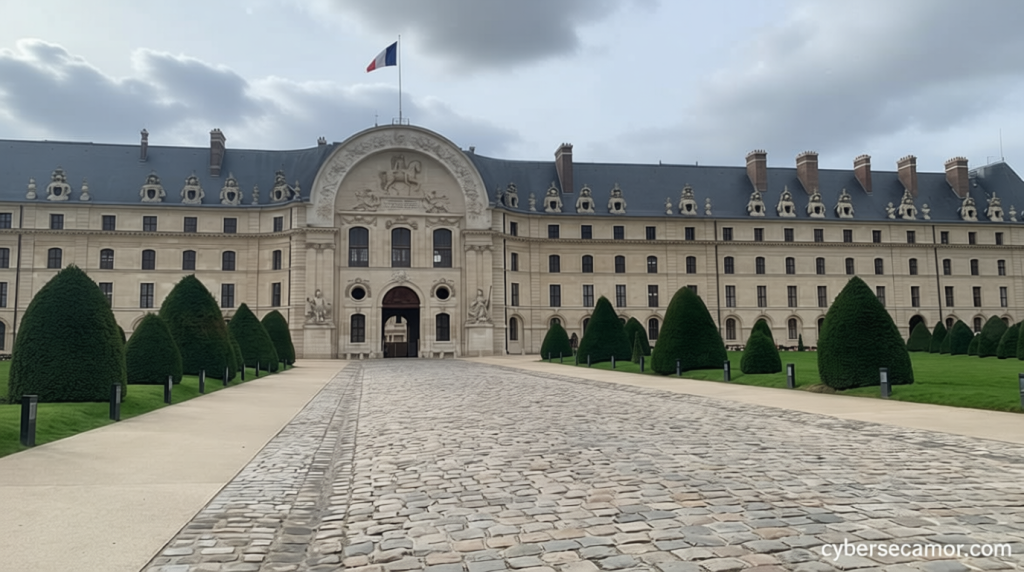
Les Invalides: 350 Years of Service to Wounded Soldiers and War Victims
A Monument of History and Human Care
Les Invalides – Nestled in the heart of Paris, Les Invalides stands as a symbol of both architectural grandeur and enduring humanitarian duty. The site’s gilded dome, an unmistakable landmark, draws millions of visitors each year, yet its true purpose extends far beyond tourism. For centuries, this institution has served as a sanctuary for those who have borne the scars of war—wounded soldiers, veterans, and civilians affected by conflict. Founded by King Louis XIV in the 17th century, Les Invalides has remained a vital part of France’s legacy, evolving while staying true to its original mission.
The Vision of the Sun King
General Christophe de Saint Chamas, who oversees the institution, highlights the dual significance of its founding. “Les Invalides is a unique place, a magical, incredible and grandiose site for two reasons,” he states. The first, he explains, is the historical ambition of Louis XIV. As a symbol of royal power, the building was designed to project strength and care to the world, ensuring that the king’s commitment to his soldiers would be remembered. The second reason, according to the general, is the institution’s role as a gesture of state gratitude. “It was built for people who deserved it,” he adds. This marked the first time the government took responsibility for wounded individuals, shifting the tradition from religious communities to a national effort.
From History to Modern Residency
While the building’s origins are steeped in 17th-century ideals, its current operations reflect a blend of tradition and contemporary needs. The aging infrastructure is now undergoing a €100 million renovation, funded by the French state, to meet the demands of modern care. Despite these upgrades, the core mission of Les Invalides persists: to provide long-term support to those who have served their country. Today, 64 residents live within its walls, including Holocaust survivors, war veterans, and civilians with severe injuries. Each individual receives tailored care, requiring intricate coordination between medical professionals and staff.
Stories of Resilience and Connection
Among the residents is Ginette Kolinka, a 101-year-old survivor of the Auschwitz-Birkenau camp. Her presence underscores the institution’s role as a haven for those who endured unimaginable suffering. Similarly, Esther Senot, who passed away at 98, found solace in Les Invalides. A descendant of Polish Jewish parents, she was arrested in Paris at 15 and sent to Mauthausen camp in Austria. Of the 1,000 people deported with her, only two returned. When she reunited with her family in France 17 months later, she weighed just 32 kg, having lost 17 relatives, including her parents and siblings. Esther chose the facility to follow in the footsteps of her brother, a soldier who had lived there for a decade in the 2000s. “I used to visit him regularly, and at the time, of course, it was wonderful,” she recalls. “As I grew older and felt more isolated, I decided to make this place my home.”
A Community of Shared Strength
The facility also houses Master Corporal Mikaele Iva, a 2021 parachuting accident survivor. For him, Les Invalides has become more than a residence—it’s a community. “This really has become our second family,” he says. “We share both joy and hardship, and it feels like a home.” Mikaele, who uses a wheelchair, participates in activities organized by the Invalides sports club, such as fencing and archery. He also represents the institution at national ceremonies, a role that connects him to the historical legacy of the place.
Medical Innovation and Humanitarian Aid
Beyond housing, Les Invalides functions as a specialized hospital for severe disabilities, offering advanced expertise in prosthetics and rehabilitation. Its medical teams have treated victims of recent conflicts, including the Bataclan attacks. However, the institution faces new challenges as the nature of warfare evolves. General Sylvain Ausset, Director of the facility, notes, “Each conflict leaves its own mark, and none ever erases the previous one.” This statement reflects the ongoing need to adapt care methods to address modern injuries, from amputations to neurological trauma.
Tradition Meets Progress
The renovation project, which began in recent years, aims to preserve the historical essence of Les Invalides while enhancing its capacity to serve modern needs. The state’s investment underscores the enduring importance of the site as a national treasure. “The renovations are not just about updating facilities,” says Mustapha Nachet, the nursing coordinator at the resident center since 2014. “They’re about ensuring the nation’s gratitude for the sacrifices of its soldiers is matched by the care they receive.”
A Legacy of Gratitude and Solidarity
The spirit of solidarity that defines Les Invalides is evident in the daily interactions between residents and staff. Mikaele Iva describes this camaraderie as a reflection of military values. “We support each other in difficult times,” he explains. “Because we have to rise again, no matter the injuries. That’s part of being a soldier.” This ethos extends to the carers, who dedicate themselves fully to the well-being of residents. “We devote ourselves to them body and soul,” Nachet emphasizes. “It’s the nation’s way of saying thank you for everything they’ve done.”
Historical Significance and Ongoing Impact
The building’s dual role as a memorial and a living community is a testament to its adaptability. While Napoleon’s tomb remains a focal point, the facility continues to honor the countless individuals who have fought for France. The tranquility inside contrasts sharply with the bustling courtyard, where history and present-day activity coexist. Military officers and medical teams work together, reinforcing the institution’s unique status as a place where the past and future intersect.
Les Invalides’ journey from a royal project to a modern sanctuary highlights its evolution while preserving its foundational purpose. The 350-year-old institution now serves as a bridge between historical sacrifice and contemporary care, ensuring that those who have endured the horrors of war continue to find support. As Mikaele Iva’s story illustrates, the facility is not just a place of residence but a space where resilience and community thrive. For the 64 residents, it represents a legacy of gratitude, a promise that their service will never be forgotten.
Through its renovation and expanded services, Les Invalides reaffirms its commitment to honoring the past while addressing future needs. The €100 million investment ensures that the institution remains a beacon of care for those who have given their all. As General de Saint Chamas notes, the building’s mission remains unchanged: to provide lifelong support to those who have sacrificed for their country. In a world where conflict and injury are ever-present, Les Invalides continues to stand as a symbol of enduring compassion and national pride.

