
Iran’s strikes on Gulf energy sites rattle markets and raise recession fears
Iran’s strikes on Gulf energy sites rattle markets and raise recession fears
As the US and Israel heightened military readiness before the conflict began a week prior, Iran consistently signaled its intent to retaliate against any assault, warning of widespread regional and global disruption. One week into the war, Iran’s coordinated strikes intensified, causing significant instability in global energy markets. Since the conflict’s outbreak last Saturday, Tehran has persistently expanded its aerial assaults across the Gulf, including an attack on Azerbaijan on Thursday.
The attacks have targeted critical energy infrastructure, impacting facilities that supply major economies and influence global energy balances. Simultaneously, Iran disrupted the Strait of Hormuz, a vital route for 20% of global oil, by blocking shipping lanes, according to Lloyd’s List. This move stranded over 200 vessels, raising concerns about supply chain vulnerabilities.
Qatar’s LNG production halts amid Iranian strikes
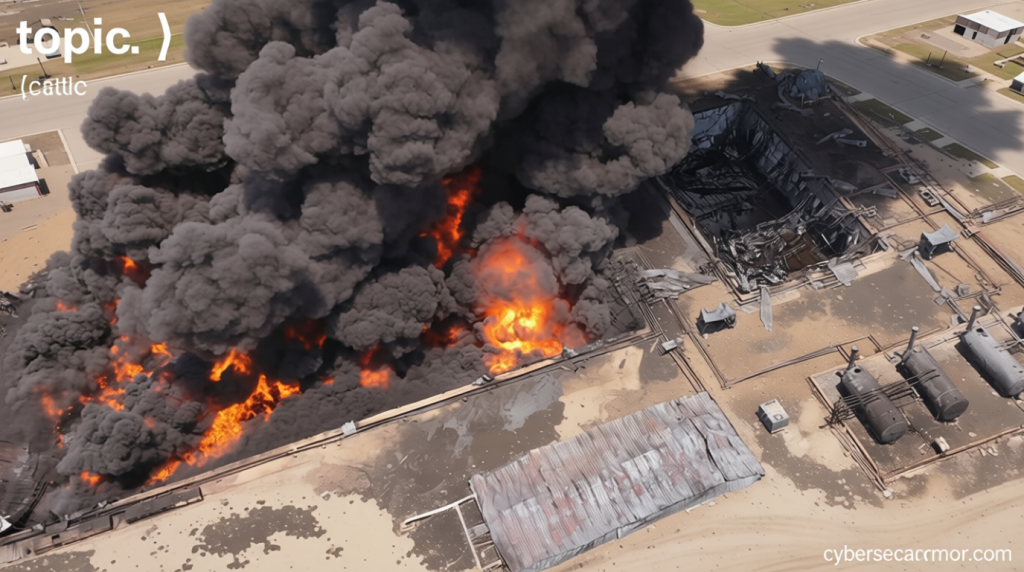
Qatar suspended operations at its largest liquefied natural gas plant following Iranian drone strikes on Mesaieed and Ras Laffan Industrial City. This disruption sent shockwaves through energy markets and spiked prices, as Qatar accounts for roughly 20% of the world’s LNG supply. The country plays a central role in meeting energy demands in Asia and Europe.
Subsequent Iranian strikes forced Saudi Arabia’s largest oil refinery to shut down, with Iraqi oil output and Israeli gas fields also suffering impacts. Dubai’s ports, among the world’s most significant, are reportedly under threat. The UK Foreign Office noted on Friday that while the pace of Iranian attacks has slowed, the focus on economic and energy targets has broadened.
“If this war continues for a few weeks, GDP growth globally will be affected. Energy prices will rise, and shortages will follow, creating a ripple effect across industries,” said Qatar’s Energy Minister Saad al-Kaabi in an interview with the Financial Times.
Dr. Yousef Alshammari, president of the London College of Energy Economics, warned that a full blockade of the Strait of Hormuz could trigger a global recession. “As summer approaches, recession risks may grow,” he added. “China, a major consumer of Iranian oil, could exert political pressure if the situation worsens.”
Alshammari highlighted a 50% surge in gas prices, especially in Europe, while oil price increases have been more subdued than anticipated. “This is due to weak demand and continued oil market saturation,” he explained.
Former US ambassador to Azerbaijan, Matthew Bryza, questioned the rationale behind Iran’s attacks. “The strikes on Azerbaijan and Turkey, along with Cyprus, don’t align with a logical military strategy,” he stated. “Iran’s assault on Nakhchivan, despite its non-involvement in the war, suggests a broader aim beyond military objectives.”
“Azerbaijan’s president, Ilham Aliyev, was the only world leader to visit an Iranian embassy for condolences after the war began. Yet, hours after offering support to evacuate Iranians from Beirut, Iran attacked the country,” Bryza remarked. “This indicates a deliberate effort to destabilize economies and societies, possibly to pressure US President Donald Trump.”
Analysts suggest Tehran’s actions may aim to disrupt supply chains and drive up energy costs, undermining Republican prospects in upcoming elections. The ongoing conflict continues to test global markets and economic stability.
