
The BBC’s best thriller has never been stronger – it’s being let down
The BBC’s best thriller has never been stronger – it’s being let down
For the past three weeks, I’ve been unable to stop talking about The Capture, spilling excitement over its gripping narrative and assuming everyone else would share my enthusiasm. But while my friends have nodded along, few have seemed to grasp the depth of its impact.
When it debuted in 2019, The Capture quietly carved its place as a standout series. Its first season amassed over five million viewers, a remarkable achievement for any new crime thriller. The show also launched the career of Callum Turner, a rising star often tipped to become the next James Bond, who earned a BAFTA nomination for his role.
Despite its compelling concept and strong performances, the series never quite made waves in the broader cultural sphere. With the same anticipation reserved for shows like Line of Duty or the recent revival of The Night Manager, The Capture could have become a central topic of discussion, sparking debates that mirror its themes.
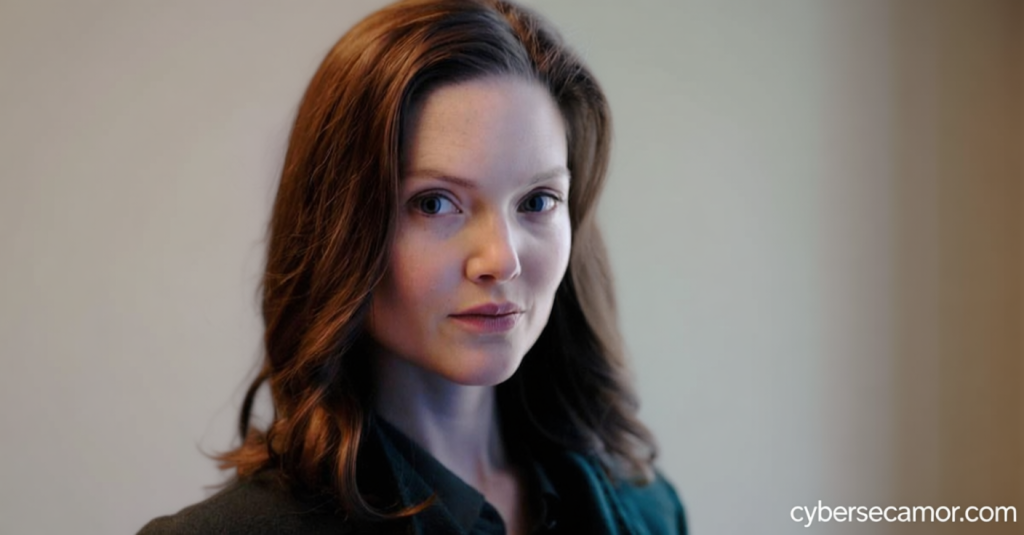
Yet, it’s remained under the radar, maintaining a devoted but shrinking audience. Even as its premise feels more urgent than ever, the show is struggling to capture public attention. The Capture stars Holliday Grainger as Detective Rachel Carey, a character defined by her sharp instincts and unyielding skepticism in a world where technology blurs the line between truth and fabrication.
Seven years ago, the idea of doctored footage becoming indistinguishable from reality was met with skepticism. Now, deepfakes are everywhere – from TikTok to political propaganda – and the concept of untrustworthy video evidence feels alarmingly plausible.
What makes The Capture so remarkable is its ability to stay ahead of the cultural curve. It hasn’t merely kept pace with the zeitgeist; it has anticipated it. The second series pushed its unsettling premise further, exploring falsified live broadcasts that could sway public opinion and manipulate elections. This third season, currently airing Sundays on BBC One, is firing on all cylinders, delivering its most intense installment yet.
The opening episode saw Detective Carey witness a shooting, only for the man she observed pulling the trigger to later join her team. This twist shattered the foundation of the narrative, leaving viewers disoriented in a way I’ve rarely experienced. The series has never felt more relevant or thrilling.
However, the show’s viewing figures have fallen short of expectations. The first episode attracted 1.84 million viewers, a number that, while respectable, is far below the ratings typically seen for a primetime Sunday night thriller. In comparison, the final season of Line of Duty averaged 16 million per episode in 2021.
Clearly, the issue lies not with the show’s quality but with its scheduling. Each Sunday morning, a new episode quietly drops on iPlayer before the main broadcast at 9pm. This approach, while convenient, deprives the series of the communal viewing experience that could amplify its reach. A Netflix-style release might work, but the BBC’s strategy feels hesitant.
Last week’s episode was a defining moment for longtime fans. Yet, online reactions were muted, with few dissecting the shocking revelation that shattered the narrative’s foundation. This lack of buzz is compounded by the BBC’s own recent efforts, such as Lord of the Flies, which was adapted by Jack Thorne and received critical acclaim. Still, its episodes aired early on iPlayer, leading to a sharp drop in ratings.
As the series approaches its third season, it deserves more than a quiet launch. It should dominate headlines, spark debate, and sweep through award ceremonies. Instead, it’s fading into obscurity, its potential overshadowed by a lack of strategic promotion. The BBC’s crown of thrillers includes other gems, but The Capture feels like a forgotten jewel.
