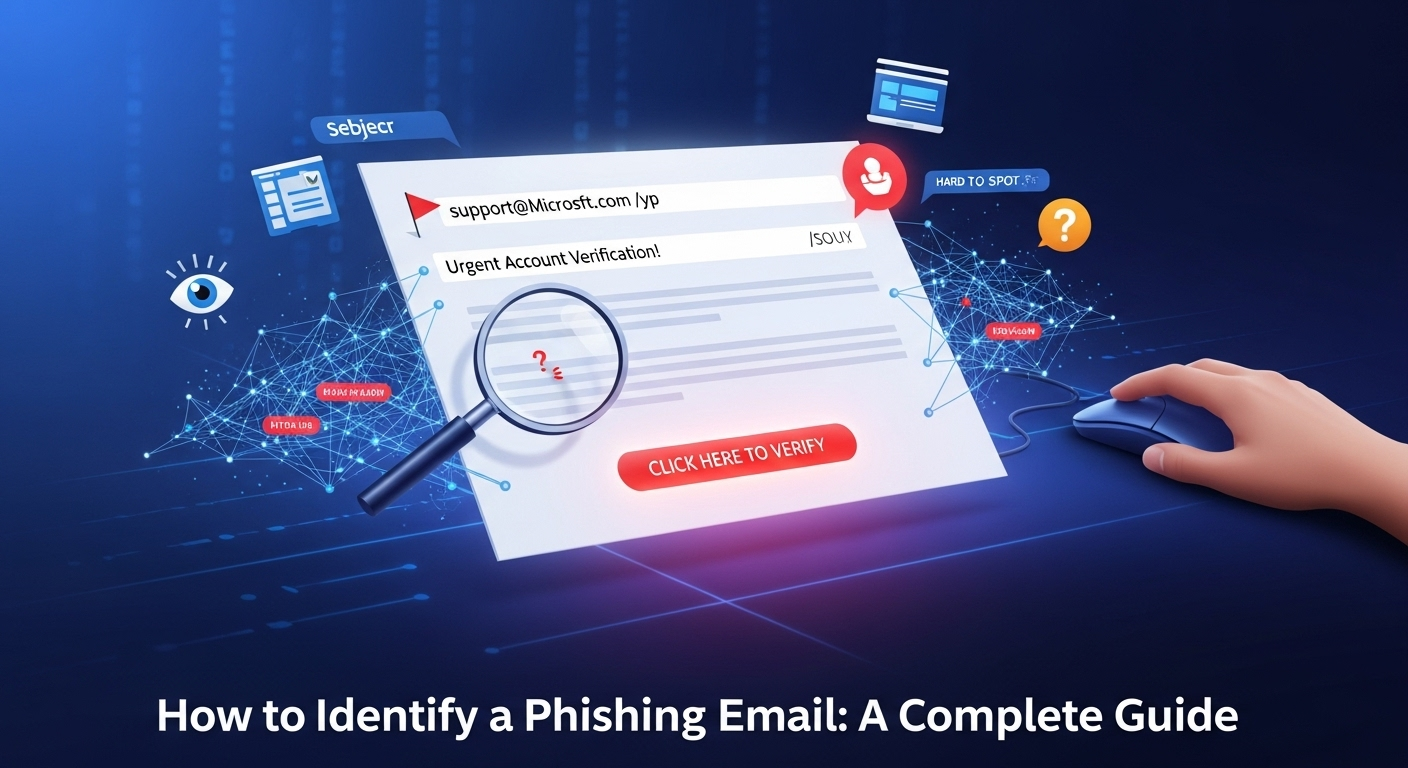
In today's hyper-connected world, our digital defenses are becoming increasingly sophisticated. We have firewalls, antivirus software, and complex encryption protocols. Yet, the single greatest vulnerability in any security system remains unchanged: the human element. This is the domain of social engineering, a timeless art of manipulation repackaged for the digital age. It bypasses technical safeguards by targeting our psychology—our trust, fear, curiosity, and desire to be helpful. Understanding what is social engineering and how to prevent it is no longer just a task for IT professionals; it is a critical life skill for everyone who uses a computer, a smartphone, or even just answers the phone. This guide will serve as your comprehensive resource, demystifying the tactics used by attackers and empowering you with the knowledge to spot and prevent these deceptive attacks. What is Social Engineering? The Art of Psychological Manipulation Social engineering is a form of manipulation used to trick individuals into divulging confidential information or performing actions they would not normally do. Unlike traditional hacking that exploits vulnerabilities in software or networks, social engineering exploits vulnerabilities in human psychology. Attackers don't "hack" your computer; they "hack" you. They use persuasion, deception, and influence to convince you to willingly hand over the keys to your digital kingdom, whether that's a password, a bank account number, or access to a corporate network. The attacker's goal is to make their request seem so normal and legitimate that the victim complies without a second thought. The entire practice is built on a foundation of psychological principles. Attackers are masters of exploiting cognitive biases. They might create a sense of urgency (e.g., "Your account will be suspended in 24 hours!") to bypass your rational thinking. They leverage the principle of authority, pretending to be a CEO, a police officer, or an IT support technician to make their demands seem non-negotiable. They also prey on basic human emotions like fear (e.g., "Your computer has been infected with a virus"), greed ("Click here to claim your free prize!"), and curiosity (e.g., a USB drive labeled "Confidential Employee Salaries"). In essence, they are con artists who have swapped the street corner for the internet. It is crucial to understand that social engineering is not a single technique but a broad category of attacks. The common thread is the element of human interaction and deception. An attacker might spend weeks researching a target company's employees on LinkedIn (a process called reconnaissance) to learn their names, job titles, and professional connections. This information is then used to craft a highly personalized and believable story, or pretext. This is why social engineering is so dangerous: it blurs the line between the digital and the physical, turning your own instincts and good intentions against you. The Most Common Types of Social Engineering Attacks Attackers have a diverse toolkit of social engineering techniques, many of which can be blended for greater effectiveness. Being able to identify these common attack vectors is the first step toward building a robust defense. They range from mass-market email blasts to highly targeted phone calls. 1. Phishing: The Classic Bait Phishing is perhaps the most well-known type of social engineering attack. In its most common form, it involves sending fraudulent emails that appear to be from legitimate sources, such as a bank, a social media platform, or a government agency. The goal is to lure the recipient into clicking a malicious link or downloading a compromised attachment. These links often lead to fake login pages designed to steal usernames and passwords, while attachments can install malware like ransomware or spyware on the victim's device. While early phishing attempts were often riddled with spelling errors and poor grammar, modern attacks are far more sophisticated. Attackers use official-looking logos, spoofed email addresses, and language that perfectly mimics the tone of the organization they are impersonating. A highly targeted form of this is called spear phishing, where the attacker customizes the email for a specific individual or organization, often using information gathered from social media or previous data breaches to make the message incredibly convincing. An even more specific version, whaling, targets high-profile individuals like CEOs and CFOs. 2. Vishing and Smishing: The Voice and Text Threats When social engineering moves from email to the telephone, it's called vishing (voice phishing). In a vishing attack, the criminal calls the victim and uses a fabricated pretext to gain their trust. They might pretend to be from Microsoft technical support, claiming your computer is sending out error signals. Or they could pose as a representative from your bank, warning you about fraudulent activity on your account. Because a human voice can convey urgency and authority more effectively than text, vishing can be particularly persuasive. Attackers often use Caller ID spoofing technology to make the incoming call appear to be from a legitimate number. Smishing (SMS phishing) is the text-message equivalent. You might receive a text message with a link, claiming you've won a prize, have a package to track, or need to verify an account. These links lead to malicious websites or prompt you to call a fraudulent number where a vishing attacker is waiting. The personal and immediate nature of text messages makes people more likely to react quickly without thinking, which is exactly what the attackers count on. 3. Pretexting: Creating a Believable Story Pretexting is the core component of many other social engineering attacks, but it can also be a standalone method. It involves creating a fabricated scenario, or pretext, to engage a target and persuade them to provide information or perform an action. This is more than just a simple lie; it's a carefully crafted narrative. An attacker might pose as an external auditor, a new employee in HR, or a researcher conducting a survey. To be successful, the pretext must be believable, and this often requires the attacker to have done prior research on the company or individual. For example, an attacker could call an employee and pretend to be from the IT department,