
Discover effective methods to permanently stop realtime malware tracking on Windows 10. I’ll guide you through simple steps to enhance your privacy and security.
How to Open Application on Mac That May Contain Malware
Learn how to safely open an application on Mac that may contain malware. I’ll guide you through precautions and steps to protect your system while accessing suspicious files.
How to Check for Malware in Chrome: Easy Steps
Discover my easy steps to check for malware in Chrome and keep your browsing secure. Learn how to check for malware in Chrome and protect your data today.
How to Protect Personal Data Security at Work: A Comprehensive Guide
Discover essential strategies and best practices on how to protect personal data security at work. Safeguard your information and your company’s assets effectively. In today’s digital age, understanding how to protect personal data security at work is more crucial than ever. With cyber threats evolving rapidly and data breaches becoming increasingly common, employees must take proactive steps to safeguard their personal information and their company’s sensitive data. This comprehensive guide will explore various strategies and best practices on how to protect personal data security at work, ensuring that you’re well-equipped to handle the challenges of the modern workplace. Understanding the Importance of Personal Data Security at Work Personal data security at work is not just a matter of individual privacy; it’s a cornerstone of organizational integrity and trust. When employees know how to protect personal data security at work, they contribute to a culture of vigilance that benefits everyone. This includes safeguarding customer information, proprietary company data, and sensitive personal details that could be exploited by malicious actors. The consequences of neglecting personal data security can be severe, ranging from identity theft to corporate espionage. By learning how to protect personal data security at work, you’re not only shielding yourself from potential harm but also fulfilling your professional responsibility to your employer and clients. It’s a skill that has become as essential as any other job-related competency in the modern workplace. Key Strategies on How to Protect Personal Data Security at Work When it comes to understanding how to protect personal data security at work, there are several key strategies that every employee should master. These techniques form the foundation of a robust personal data security approach and can significantly reduce the risk of data breaches or unauthorized access to sensitive information. Implementing these strategies consistently is crucial in maintaining a secure work environment. By making these practices a part of your daily routine, you’ll be taking significant steps towards protecting both your personal data and your organization’s valuable information assets. Let’s explore some of the most effective methods for ensuring data security in the workplace. 1. Strong Password Management One of the fundamental aspects of learning how to protect personal data security at work is mastering the art of password management. Strong, unique passwords are your first line of defense against unauthorized access to your accounts and sensitive information. Creating complex passwords that combine uppercase and lowercase letters, numbers, and special characters can significantly enhance your security. However, remembering multiple complex passwords can be challenging. This is where password managers become essential. These tools can generate and securely store strong, unique passwords for all your accounts, allowing you to maintain robust security without the burden of memorizing numerous complex strings. Regular password changes and avoiding the use of personal information in your passwords are also crucial steps in how to protect personal data security at work. 2. Two-Factor Authentication (2FA) Implementing two-factor authentication (2FA) is another critical step in learning how to protect personal data security at work. This additional layer of security requires users to provide two different authentication factors to verify their identity, making it significantly more difficult for unauthorized users to gain access to sensitive information. 2FA typically combines something you know (like a password) with something you have (like a smartphone) or something you are (like a fingerprint). By enabling 2FA on your work accounts, you add an extra barrier against potential intruders. Even if someone succeeds in acquiring your password, they would still require the second factor to access your account. This simple yet effective measure is a cornerstone of how to protect personal data security at work and should be implemented whenever possible. 3. Regular Software Updates and Patch Management Keeping your software up-to-date is a crucial aspect of learning how to protect personal data security at work. Software developers regularly release updates and patches to address newly discovered vulnerabilities and improve security features. By promptly installing these updates, you ensure that your systems have the latest protection against known threats. This practice extends beyond just your operating system; it includes all software applications you use for work, including browsers, email clients, and productivity tools. Many organizations have automated update processes, but it’s important to be proactive and check for updates regularly, especially on personal devices used for work purposes. Staying current with software updates is an essential part of how to protect personal data security at work and helps maintain a robust defense against evolving cyber threats. 4. Secure Network Connections Understanding how to protect personal data security at work involves being mindful of the networks you connect to. When working remotely or accessing work-related information outside the office, it’s crucial to use secure network connections. Public Wi-Fi networks, while convenient, can be breeding grounds for cybercriminals looking to intercept data. To mitigate these risks, always use a Virtual Private Network (VPN) when connecting to public Wi-Fi. A VPN encrypts your internet traffic, making it much harder for anyone to intercept or spy on your online activities. Additionally, avoid accessing sensitive work information on public networks whenever possible. If you must use public Wi-Fi, treat all networks as potentially compromised and take extra precautions. This awareness of network security is a key component of how to protect personal data security at work in our increasingly mobile work environments. 5. Email Security and Phishing Awareness Email remains one of the primary vectors for cyber attacks, making email security a critical aspect of how to protect personal data security at work. Phishing attempts, where attackers try to trick you into revealing sensitive information or clicking on malicious links, are particularly common and can be quite sophisticated. To protect yourself, always be cautious when opening emails from unknown senders. Exercise caution with unexpected attachments or links, even if they seem to originate from a reliable source. Learn to recognize the signs of phishing emails, such as poor grammar, urgent requests for sensitive information, or slightly off email addresses. Many organizations provide phishing awareness training,

Impact of Artificial Intelligence in Cyber Security
Discover how I leverage artificial intelligence in cyber security to enhance threat detection, automate responses, and stay ahead of evolving cyber risks in today’s digital landscape.
Defense in Depth Cybersecurity: Strategies
Discover effective defense in depth cybersecurity strategies to protect your digital assets. I’ll guide you through layered security measures for robust protection.

Jamie Lee Curtis on The Bear: Inside Her Eerie Casting Prediction
Jamie Lee Curtis: Foresight, Career Milestones, and Personal Reflections Jamie Lee Curtis had an uncanny premonition about her role in “The Bear” long before she landed the part of Donna Berzatto, the troubled matriarch of the central restaurant-owning siblings. While engrossed in the first season, Curtis felt an inexplicable connection to the character. “I just knew I was going to play her,” she recounts, almost as if it were destiny. True to her intuition, the call came. “My agent said, ‘You’ve been offered a part on The Bear,’” Curtis recalls. Instantly, she reached out to the show’s creator, Christopher Storer. “I asked about her hair, and he sent me a picture of Monica Vitti. I asked about her nails, and he sent me a picture of the Desperate Housewives of New York.” Now, in the midst of filming the eagerly awaited sequel to “Freaky Friday,” Curtis shares how legendary actor Peter Falk catapulted her to fame, her most impactful advice, and why “Lip Sync Battle” missed a golden opportunity by not featuring her. Early Career and Accidental Beginnings The Job That Got Me Started Jamie Lee Curtis’s journey into acting was serendipitous. Initially, she had no plans to become an actor; she aspired to be a police officer. Her unexpected foray into acting began with a minor role on an episode of “Columbo,” where she played a grumpy waitress. “Columbo comes into a restaurant with his coat all askew and his hair all crazy, and he’s holding a donut. The waitress says, ‘You can’t eat that here.’ And he says, ‘OK,’ and hands her the donut. She says, ‘Have you decided yet?’ And he goes, ‘Yes, I’ll have a donut.’” This role unexpectedly led to her first brush with fame when Peter Falk showcased the clip on “The Tonight Show.” “A month later, I’m walking down the street, and somebody says, ‘Hey, I saw you on The Tonight Show.’” This brief moment set the stage for a remarkable career in Hollywood. The Power of Presence: My First TV Lesson Jamie’s first lesson in the TV industry was about the importance of punctuality. “Show up early,” she emphasizes. At her production company, Comet, they have a strict rule: be on Zoom calls 15 minutes early. “If it’s scheduled for 10 am, at 9:45 am, we’re on, and we do 15 minutes together before anybody else shows up. It’s my rule.” This simple yet powerful practice underscores Jamie’s commitment to professionalism and preparation. Insights and Personal Reflections The Best Advice I Ever Received Jamie Lee Curtis has been sober for 25 years, and through her journey, she’s learned a crucial lesson about advice: it can often be a form of hostility. “Advice is somehow saying to someone, ‘I have a better idea than you.’” This realization transformed her approach to offering guidance. Instead of unsolicited advice, she provides suggestions. “My new favorite is, ‘Can I give you feedback?’” While she acknowledges this still carries some ego, it’s a more respectful way to share insights. The Shows That Make Me Cry Curtis admits she’s highly sensitive and easily moved by the human experience. “Everything makes me cry. I’m just not a trained person. To say you’re untrained doesn’t mean you’re not thoughtful. I’m super thoughtful. I do my homework. I listen to music and watch movies and wear perfumes of the characters I’m playing. Donna’s is Shalimar, by the way.” She believes her emotional sensitivity, her “frequency receptors,” make her deeply attuned to life’s nuances, causing her to cry often. Memorable Roles and Personal Connections The Most Fun I’ve Had On Set One of Jamie’s most enjoyable experiences on set was filming the original “Freaky Friday.” “I found out I was going to do the first Freaky Friday on a Thursday, and I was shooting Monday. I had a 15-year-old and a 5-year-old at home, and I was playing a 15-year-old and a 45-year-old in the movie.” The whirlwind nature of the project forced her to let go and immerse herself fully in the roles, making the experience both challenging and exhilarating. My Most Quoted Role One of Jamie’s most quoted lines comes from “Freaky Friday”: “Make good choices.” Remarkably, this was the only line she ever improvised, and it became emblematic of the film. In “The Bear,” her character Donna has a poignant line: “I make things beautiful for them. No one makes anything beautiful for me.” This sentiment of feeling unappreciated despite significant efforts resonates deeply with many viewers. The Character That’s Most Like Me Curtis sees a bit of herself in Tess from “Freaky Friday.” “I’m sort of like her a little bit. I’m a weirdo.” She also relates to parts of every character she’s portrayed. In “Everything Everywhere All at Once,” she connects with Deirdre Beaubeirdre. “I’ve met women who’ve been overlooked. I’ve met women who use their job for power. It’s the only power they get. Nowhere else in the world do they get any recognition.” Personal Indulgences and Hobbies My Guilty Pleasure Jamie and her husband of 40 years enjoy watching good shows together. One of their favorites was “True Detective: Night Country,” starring her friend Jodie Foster. However, her true guilty pleasure is a sweet treat she discovered while filming in a closed Walgreens: Bit-O-Honey candy. “It’s probably awful for you, but I bought a few boxes. Talk about a guilty pleasure.” My Karaoke Playlist While Jamie admits she cannot sing, she excels at lip-syncing. “Fricking Lip Sync Battle, you missed your shot, baby, because I’ve been lip-syncing forever because I can’t sing.” She recalls a memorable moment with Lindsay Lohan on the set of “Freaky Friday”: “We had a cassette player in the car, and we were learning the Clipse rap from the Justin Timberlake song ‘Like I Love You.’” This fun experience even led to her rapping on “The Tonight Show with Jay Leno.” Frequently Asked Questions (FAQs) What role made Jamie Lee Curtis famous? Jamie Lee Curtis gained widespread recognition from her
Cyber Security for Dummies: Beginner’s Guide
Discover the basics of cyber security for dummies in this beginner-friendly guide. Learn essential tips to protect yourself online and stay safe in the digital world.
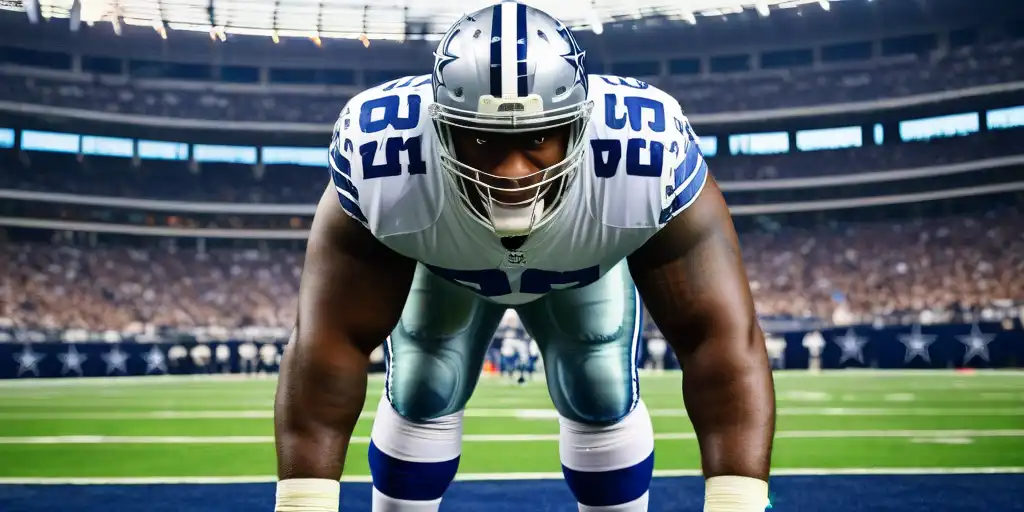
Dallas Cowboys Acquire Veteran DL Jordan Phillips in Trade
Veteran Jordan Phillips Joins Dallas Cowboys’ Defensive Line The Dallas Cowboys are making strategic moves to bolster their defensive line, adding seasoned defensive lineman Jordan Phillips from the New York Giants. This acquisition aims to enhance the team’s defensive depth and overall performance. Introduction The Dallas Cowboys have always been a team that values experience and skill, and their latest trade underscores this philosophy. In a bid to strengthen their defensive line, the Cowboys have traded for Jordan Phillips, a veteran defensive lineman from the New York Giants. This move is not just about filling a gap but also about adding a player with a wealth of experience and proven capability. Jordan Phillips, a product of Oklahoma, has had a substantial career in the NFL. With 120 games under his belt, he brings not just experience but also a track record of performance. The Cowboys are hopeful that Phillips will provide the depth and strength needed to make their defense more formidable. Trade Details and Implications The Trade Agreement The trade, which involves a conditional late-round 2026 NFL draft pick, is a strategic move for both teams. If certain conditions are met, the teams will swap picks, making this a low-risk, potentially high-reward situation for the Cowboys. Phillips’ Career Statistics Games Played: 120 Total Tackles: 181 Quarterback Hits: 51 Sacks: 24 Phillips was originally drafted by the Miami Dolphins in the second round of the 2015 NFL draft. Over the years, he has played for the Buffalo Bills and Arizona Cardinals before signing with the Giants as a free agent in April. Role in the Team Defensive coordinator Mike Zimmer has been on the lookout for nose tackles, and Phillips fits this need perfectly. Standing 6-6 and weighing 341 pounds, Phillips is expected to add significant bulk and experience to the Cowboys’ defensive line. Impact on the Current Roster Current Defensive Lineup The addition of Phillips brings more depth to a defensive line that already includes: Mazi Smith Albert Huggins Denzel Daxon Justin Rogers Osa Odighizuwa Carl Davis Chauncey Golston and Viliami Fehoko have recently moved from defensive tackle to defensive end, making the addition of Phillips even more crucial. Not an Indictment on Smith It’s important to note that this move is not a reflection of dissatisfaction with Mazi Smith’s performance. Smith has shown promise and encouraged the coaching staff with his efforts during training camp. The addition of Phillips is more about providing additional support and options within the defensive unit. Jordan Phillips’ Career Journey Early Career and Draft Phillips was drafted by the Miami Dolphins in the second round of the 2015 NFL draft. His early years in Miami were marked by solid performances, laying the foundation for a robust NFL career. Time with the Buffalo Bills Phillips’ stint with the Buffalo Bills was particularly notable. In 2023, he started nine games and was a key part of their defensive strategy. His performance during this period showcased his ability to be a reliable and impactful player. Brief Period with the Giants Jordan Phillips joined the New York Giants as a free agent in April, but his time with the team was short-lived. This brief period, however, did not diminish his value as a seasoned defensive lineman, making him an attractive option for the Cowboys. Benefits of Acquiring Jordan Phillips Experience and Leadership One of the primary benefits of acquiring Phillips is the experience and leadership he brings to the table. With over 120 games in the NFL, he has seen and done it all, providing a steadying influence on the younger players. Versatility and Depth Phillips’ ability to play in various defensive schemes adds versatility to the Cowboys’ lineup. His presence will allow the coaching staff to experiment with different formations and strategies, giving them more flexibility. FAQs Why did the Cowboys trade for Jordan Phillips? The Cowboys traded for Jordan Phillips to add depth and experience to their defensive line. His size, experience, and versatility make him a valuable addition to the team. What did the Cowboys give up in the trade? The Cowboys sent a conditional late-round 2026 NFL draft pick to the New York Giants. If certain conditions are met, the teams will swap picks. How will Jordan Phillips fit into the Cowboys’ defensive scheme? Phillips is expected to fill the role of a nose tackle, a position that defensive coordinator Mike Zimmer has been keen to strengthen. His presence will add depth and versatility to the defensive line. Is this move a reflection on Mazi Smith’s performance? No, this move is not an indictment on Mazi Smith’s performance. Smith has shown promise during training camp. The acquisition of Phillips is about providing additional support and options within the defensive unit. What are Jordan Phillips’ career statistics? Jordan Phillips has played 120 games in the NFL, recording 181 total tackles, 51 quarterback hits, and 24 sacks. Conclusion The addition of Jordan Phillips to the Dallas Cowboys’ defensive line is a strategic move aimed at bolstering the team’s defensive capabilities. With his experience, versatility, and proven track record, Phillips is expected to make a significant impact. As the season progresses, his role and contributions will be closely watched, adding an exciting dimension to the Cowboys’ defensive strategy. Stay tuned for more updates as this story develops, and find more comprehensive Cowboys coverage from The Dallas Morning News. situs gacor monperatoto monperatoto live draw hk toto togel slot gacor togel online slot gacor situs gacor toto slot togel online toto slot situs togel situs toto togel online

Vulnerability Management in Cyber Security: Guide
Discover my guide to vulnerability management in cyber security. Learn how to identify, assess, and mitigate risks to protect your digital assets effectively.
