Thierry Henry on Ronaldo after sour Portugal game: ‘Team needs to score, not you’

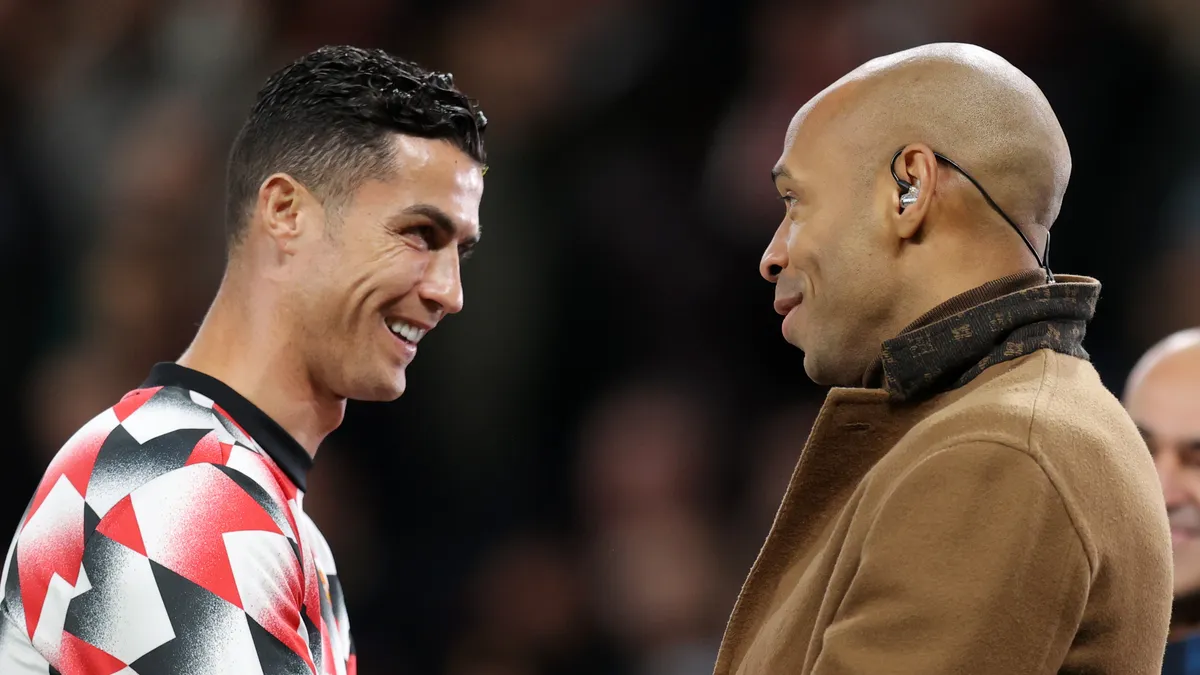
Thierry Henry Criticizes Cristiano Ronaldo’s Approach in Portugal’s Draw Against DR Congo
Cybersecarmor.com – As the 2026 World Cup progressed, veteran French footballer Thierry Henry took to the commentary desk to offer his perspective on Cristiano Ronaldo’s performance during Portugal’s 1-1 draw with DR Congo. The match, which ended in disappointment for the Portuguese squad, sparked a discussion about the balance between individual brilliance and collective success. Henry, a former World Cup winner with France in 1998 and currently serving as a Fox Sports analyst, highlighted a key moment in the second half where Ronaldo’s actions raised questions about his priorities.
Individual Effort vs. Team Strategy
Henry’s critique centered on a specific play during the game. In the middle of the second half, Ronaldo found himself in a position where his movement could have created an opportunity for his teammates, yet he chose to focus on his own goal-scoring chances. The analyst noted that Ronaldo intercepted a pass from midfielder Bruno Fernandes, positioning himself to receive a cross into the box. While his individual playmaking is often celebrated, Henry suggested that this moment exemplified a recurring theme in Ronaldo’s approach: the tendency to prioritize personal achievements over team objectives.
“The team needs to score, not you need to score,” Henry remarked during the match analysis.
Henry’s words carried weight, given his extensive experience as a player and his nuanced understanding of the pressures faced by world-class athletes. His argument was not to diminish Ronaldo’s talent but to emphasize the importance of situational awareness in high-stakes tournaments. While the 41-year-old star’s ability to find the net consistently is undeniable, Henry pointed out that moments like this could be pivotal in deciding the outcome of tight matches. His comment resonated with fans and analysts alike, as it brought attention to the delicate balance between self-reliance and teamwork in a competition where every goal matters.
Ronaldo’s Legacy and Statistical Dominance
Ronaldo’s performance in the 1-1 draw further solidified his place in football history. With 143 international goals, he holds the record for the most career strikes by a male player, a feat that underscores his longevity and consistency. This achievement is even more remarkable when considering that he is playing in his sixth men’s World Cup, a milestone that few have reached in the modern era. His scoring rate, at 0.62 goals per game, slightly outpaces that of Lionel Messi, his longtime rival, who averages 0.60 goals per match. While Messi’s versatility and playmaking ability are often highlighted, Ronaldo’s precision and determination in front of goal remain unmatched.
Despite his individual success, Henry’s analysis reminded viewers of the broader context of the game. Portugal’s draw against DR Congo was a testament to the challenges of maintaining momentum in a tournament filled with formidable opponents. The team’s inability to break through in the first half left fans questioning whether Ronaldo’s actions were contributing to or hindering their chances. Henry’s critique wasn’t about questioning Ronaldo’s skill but about urging him to consider the bigger picture. In a World Cup setting, a single goal can alter the trajectory of a team’s campaign, and Ronaldo’s focus on personal glory, while impressive, might not always align with the needs of his squad.
Looking Ahead: Portugal’s Next Challenge
Portugal is set to face Uzbekistan on June 23, a match that could serve as a crucial turning point in their World Cup journey. Manager Roberto Martinez, who has been under pressure to adjust his tactics, may look to introduce fresh dynamics by bringing Ronaldo off the bench. This decision would depend on how the team fares in their next encounter, with Martinez likely weighing the potential benefits of Ronaldo’s experience against the risk of relying too heavily on his individual output.
Ronaldo’s role in the team remains vital, particularly given his ability to elevate his performance under pressure. However, Henry’s comments suggest that there is room for growth in how he integrates with his teammates. The analyst’s emphasis on teamwork reflects a common theme in football: while stars like Ronaldo are instrumental in success, the collective effort of the squad is often the difference between triumph and defeat. His remarks also serve as a reminder that even the greatest players must adapt their mindset to suit the demands of the competition.
The 1-1 result against DR Congo will be a point of reflection for Portugal as they prepare for their next match. With the tournament’s intensity growing by the day, the team’s ability to balance individual talent with cohesive play will be tested. Henry’s perspective adds another layer to this discussion, as it highlights the human element behind the numbers. His critique isn’t just about Ronaldo’s actions but about the mental and strategic adjustments required to thrive in a global stage.
Ronaldo’s career has been defined by moments of brilliance, and his legacy is built on a foundation of relentless pursuit of excellence. Yet, as the World Cup progresses, the need for collaboration becomes increasingly evident. Fans and analysts alike will be watching closely to see whether the Portuguese team can leverage Ronaldo’s strengths while addressing the gaps in their overall strategy. The upcoming clash with Uzbekistan will be a key opportunity to test these ideas, with the hope that Ronaldo’s performance can shift from being a solo act to a catalyst for collective success.
In the end, Henry’s comments reflect a broader truth about football: the most successful teams are those that combine individual flair with disciplined teamwork. While Ronaldo’s record-breaking goals continue to captivate audiences, his role in this World Cup may also be scrutinized through the lens of how effectively he supports his teammates. As Portugal moves forward, the challenge will be to find a balance between his iconic individuality and the team’s collective ambitions. Whether this balance is achieved will determine not just the outcome of their next game, but also their potential to make a deep run in the tournament.
The 2026 World Cup has already delivered its share of surprises, and Ronaldo’s performance in the DR Congo game is a case study in the complexities of high-level competition. His ability to score at such a high rate is a testament to his enduring quality, but it also raises questions about the broader implications of his playing style. Henry’s critique, while direct, is part of a larger conversation about how stars must adapt to different contexts and opponents. For Portugal, the challenge is to ensure that Ronaldo’s goals are not just personal milestones, but stepping stones toward a collective triumph.
As the tournament continues, the interplay between individual and team success will remain a central theme. Ronaldo’s legacy is secure, but his ability to navigate this balance will be a defining factor in his World Cup journey. Whether he can shift his focus from personal glory to team contributions will be a test of his leadership and adaptability. With the next match looming, Portugal will need all the tools at their disposal to make the most of their chances, and Ronaldo’s role in this equation will be critical.