Miami Beach’s ‘Grand Theft Auto’ marketing deal sparks debate

Daftar Isi
Miami Beach Moves Ahead With Limited GTA VI Promotion Despite Split Vote
Cybersecarmor.com – Miami Beach officials have opened the door to a marketing campaign linked to the release of “Grand Theft Auto VI,” setting off a debate over whether the city should capitalize on the game’s enormous cultural reach or keep its distance from its violent fictional world.
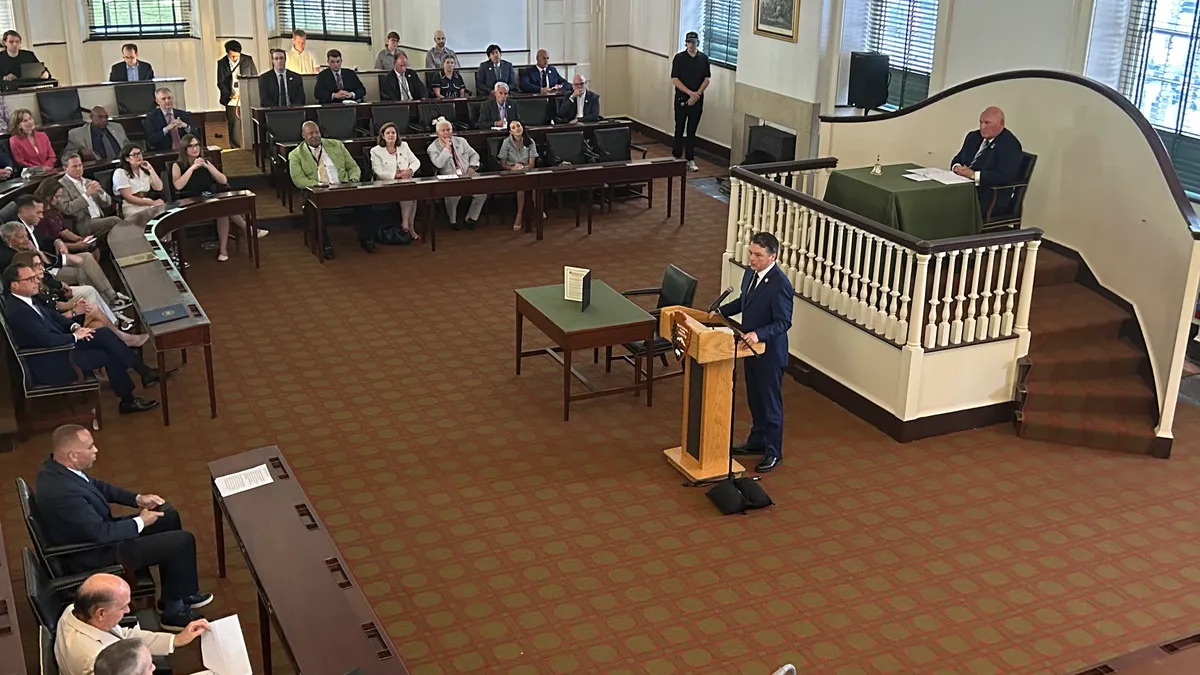
In a narrow 4-3 vote Thursday, Miami Beach commissioners approved moving forward with a proposed arrangement connected to Rockstar Games’ next installment in the “Grand Theft Auto” series. The effort could bring at least $3 million to the city, with Vice City-inspired branding potentially visible between Oct. 15 and Dec. 31.
The decision arrives as Miami-Dade County weighs its own possible collaboration with Rockstar. Together, the discussions have raised a broader question for South Florida: how closely should real communities identify with a game series that draws heavily from the region while centering its stories on fictional crime, chaos and violence?
A campaign designed to stay understated
Supporters of the Miami Beach plan have emphasized that the proposal would not turn major public landmarks into advertisements for the game. Commissioner Laura Dominguez described the potential promotion as “discreet,” suggesting that Vice City references or the Roman numeral “VI” could appear on beach chairs and umbrellas operated through the city’s marketing partner, Boucher Brothers.
Under the proposed limits, Rockstar would be barred from placing its logos on city-owned locations such as lifeguard stands and other signature public spaces. The company also would not be allowed to promote “GTA VI” during Art Basel Miami Beach in December, a period when the city hosts a major international arts event.
Those boundaries are central to the compromise. The city would seek revenue from the game’s release without surrendering control of its most visible civic settings or allowing the campaign to overshadow events that define Miami Beach beyond tourism and entertainment.
Commissioner Tanya K. Bhatt said the value of the deal could eventually near $4 million. She suggested the money could support upgrades at Flamingo Park, connecting the proposed campaign to a tangible public benefit rather than treating it solely as a branding opportunity.
Concerns over the city’s image
Opponents say even a restrained campaign may conflict with Miami Beach’s efforts to reshape how visitors and residents see the city. In recent years, officials have worked to reduce the city’s association with spring break disorder, excessive partying and public-safety problems.
Commissioner David Suarez questioned whether a game known for fictional criminal activity belongs in that effort. He pointed to the city’s work against crime and disorder, arguing that Miami Beach has little need to assist the marketing of a franchise built around those themes.
For critics, the concern is not simply whether a logo appears on an umbrella. It is the message created when a real destination embraces an entertainment brand whose storylines include criminal behavior and violence. The issue is particularly sensitive because the game’s fictional Vice City is so closely associated with South Florida’s visual identity.
The franchise’s new setting is the fictional state of Leonida, but its Vice City environment takes clear inspiration from locations including Miami Beach, Miami International Airport and the Everglades. “GTA VI” is scheduled to be released Nov. 19, and its depiction of the area will likely draw worldwide attention whether local governments participate in promotional arrangements or not.
Commissioners differ on the game’s influence
Several members of the commission took the view that a fictional game should not be treated as an endorsement of real wrongdoing. Commissioner Monica Matteo-Salinas, who said she plays the franchise, argued that enjoying a crime-themed game does not mean a player will commit crimes outside it.
Commissioner Joseph Magazine offered a practical argument for participation: Miami Beach will be part of the global conversation surrounding the game regardless of whether it enters into a formal campaign. From that perspective, an agreement gives the city a chance to shape the relationship and secure financial value from attention that is already coming.
The split illustrates the difficulty of separating cultural recognition from civic identity. Vice City has long been associated with an exaggerated, fictionalized version of South Florida. The real Miami region has changed substantially since the period that helped inspire earlier versions of the setting, yet the series continues to use the area’s architecture, geography and cultural imagery as creative material.
Miami-Dade Considers Its Own Options
Miami-Dade County is also discussing a possible partnership after Rockstar approached local officials about working together around the game’s release. The county has explored ideas that would make the Vice City connection much more visible than the limited Miami Beach concept.
Possible concepts have included wrapping Metromover trains in Vice City branding, installing Vice City murals on public buildings and adding branding to manhole covers. Another suggestion involved temporarily calling Miami International Airport “Vice City Airport.” None of those ideas has been formally approved, and county officials have said no final agreement has been reached with Rockstar.
County supporters see an opportunity to generate revenue and introduce Miami-Dade to a massive audience. But the proposal has prompted objections from Miami-Dade Sheriff Rosie Cordero-Stutz and Commissioner Juan Carlos Bermudez.
Cordero-Stutz has highlighted the criminal conduct depicted in the game’s fictional universe, including murder, robbery, drug trafficking, carjacking and violence targeting law enforcement. Bermudez has argued that the county should promote the real community residents have worked to create instead of a fictional version tied to crime and violence.
“GTA VI”
The debate is likely to continue as the release date approaches. Miami Beach has authorized further work on a constrained campaign, while Miami-Dade has not settled its own proposal. Both governments are confronting the same choice: whether the attention surrounding Vice City can be converted into a carefully managed tourism and revenue opportunity, or whether the association carries too great a cost for the region’s public image.
Related Reading
Frequently Asked Questions
What is Miami Beach s Grand Theft Auto?
Miami Beach s Grand Theft Auto is the main topic of this guide. The article explains the context, practical details, and next steps readers should understand.
Why does Miami Beach s Grand Theft Auto matter?
Miami Beach s Grand Theft Auto matters because readers are looking for a useful answer, not just a short summary. Good content should match search intent and help them decide what to do next.