Lindsay Clancy murder trial is ending. When are closing arguments?

Daftar Isi
Closing Arguments Loom in Lindsay Clancy’s Triple-Murder Trial as Jury Weighs Insanity Question
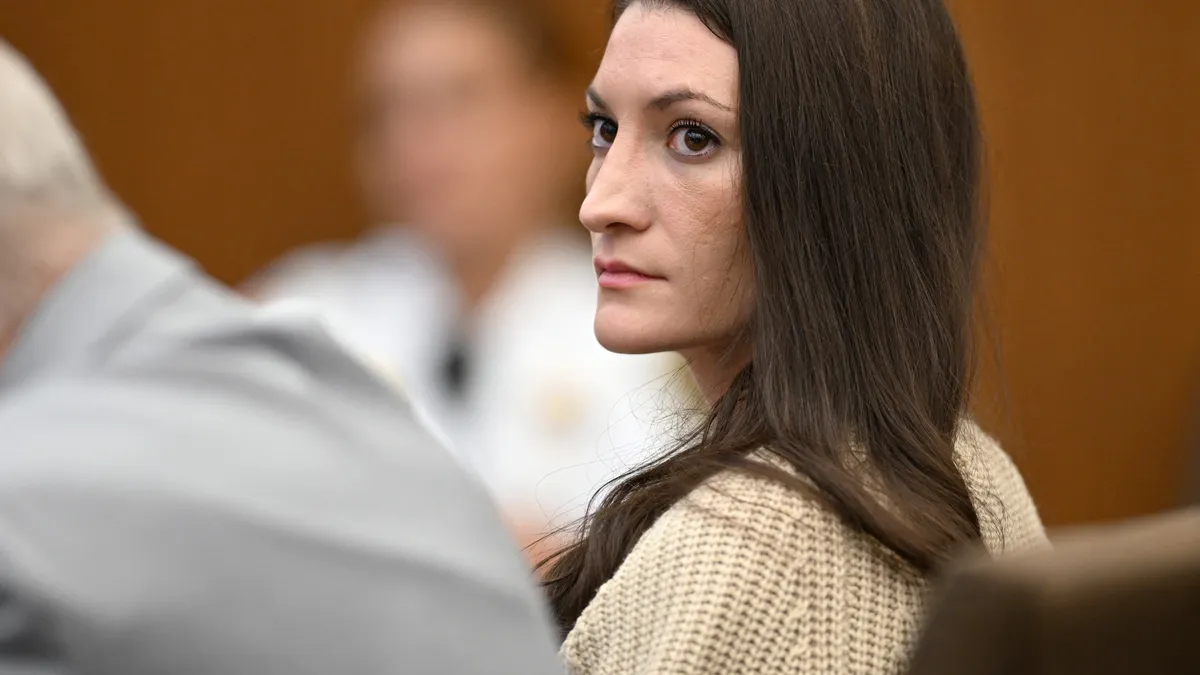
Cybersecarmor.com – The jury in one of Massachusetts’ most closely scrutinized criminal cases is set to hear final arguments from both sides on Thursday, August 27, bringing a long trial to its decisive threshold. Lindsay Clancy, 36, stands accused of killing her three young children in their Duxbury home in January 2023. After weeks of testimony spanning more than 80 witnesses across both sides, the courtroom in Plymouth County will shift from evidence presentation to legal persuasion, with deliberations expected to begin the same day.
The Charges and the Family
Clancy faces three counts of murder, one for each child: Cora, who was five years old; Dawson, age three; and Callan, just eight months old at the time of their deaths. She has entered not-guilty pleas on all three counts. The killings took place at the family’s residence in Duxbury, a coastal town on Massachusetts’ South Shore, and sent shockwaves through the small community where the Clancy family had lived.
The prosecution’s account, built over the course of its case, paints a picture of deliberate planning. According to the state’s theory, Clancy dispatched her husband, Patrick Clancy, on errands to clear the house, then strangled each child using exercise bands. Following the killings, she cut her own wrists and neck and leapt from a second-story window, an act that left her paralyzed. Patrick returned to find the scene and carried the children to seek help.
Prosecution’s Case: Over 70 Witnesses
The state rested its case on August 17 after calling more than 70 witnesses to the stand. Among those who testified were Patrick Clancy himself, who recounted discovering his children and his wife’s injuries, as well as multiple medical providers who treated Clancy in the period leading up to the killings. Their testimony was intended to establish that Clancy appeared stable and functional in the weeks before January 24, 2023, undermining any suggestion of a sudden psychotic break.
Defense Theory: Postpartum Psychosis
Clancy’s defense team, led by attorney Kevin Reddington, advanced a fundamentally different narrative. Reddington argued that Clancy was suffering from postpartum depression and psychosis at the time of the killings, conditions that can emerge in the months following childbirth and, in severe cases, impair a person’s grasp on reality. The defense rested after calling 10 witnesses, including Clancy’s mother and a psychologist who had met with Clancy after the incident.
That psychologist offered testimony central to the defense’s insanity argument, stating that based on his post-incident meetings with Clancy, he believed she
“had no appreciation for the wrongfulness of her act.”
The distinction between the two sides is not merely one of motive but of legal responsibility. If the jury accepts the defense’s medical framing, Clancy could be found not criminally responsible despite the undisputed fact that she killed her children. If it accepts the prosecution’s account of planning and post-kill behavior, she faces three murder convictions.
The Final Rebuttal and the Insanity Standard
The last witness to take the stand was forensic psychiatrist Gregory B. Saathoff, called by the prosecution in rebuttal. His questioning concluded on August 26. Saathoff told the jury that, in his professional assessment, Clancy possessed the capacity to distinguish right from wrong on January 24, 2023, and was therefore criminally responsible for what she did. His testimony represented the state’s final attempt to neutralize the defense’s psychiatric narrative before the attorneys spoke.
The legal framework the jury must apply was laid out earlier by Judge William Sullivan. Under Massachusetts law, a person is excused from criminal responsibility if they suffer from
“a mental disease or defect, and as a result of that mental disease or defect, lacks the substantial capacity either to appreciate the criminality or the wrongfulness of her conduct or to conform her conduct to the requirements of the law.”
Sullivan emphasized that this standard is not a question of motive or explanation but of cognitive capacity at the precise moment of the act. The jury will be instructed on this definition before they retire to deliberate.
What Happens Next
After Saathoff’s testimony ended, Sullivan dismissed the jury and directed them to return on August 27 for closing arguments. He indicated that he would deliver his jury instructions on the applicable law that same day, after which deliberations would commence. In addressing the jurors, Sullivan urged them to remain receptive even after hearing all the evidence:
“You’ve heard all the evidence. But you haven’t heard the arguments from the attorneys and you haven’t even heard, like I said before, the law that you’re to apply, so you still have to keep an open mind.”
The trial has consumed months of court time and drawn sustained public attention to questions about maternal mental health, postpartum psychiatric crises, and the boundaries of criminal accountability. Whatever verdict emerges, the case will leave a lasting mark on Duxbury and on Massachusetts’ approach to insanity defenses in homicide prosecutions.
Related Reading
Frequently Asked Questions
What is Lindsay Clancy murder trial is ending?
Lindsay Clancy murder trial is ending is the main topic of this guide. The article explains the context, practical details, and next steps readers should understand.
Why does Lindsay Clancy murder trial is ending matter?
Lindsay Clancy murder trial is ending matters because readers are looking for a useful answer, not just a short summary. Good content should match search intent and help them decide what to do next.