
Poland makes history with first same-sex marriage registration following EU court ruling
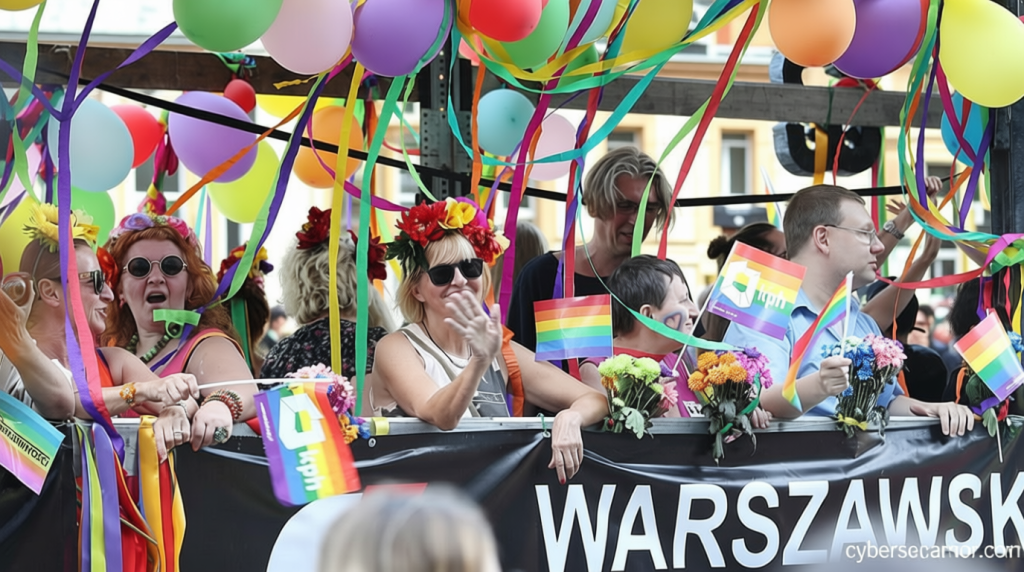
Poland Makes History with First Same-Sex Marriage Registration Following EU Court Ruling
Poland makes history with first same – On Thursday, Warsaw became the first city in Poland to officially record a same-sex marriage, marking a historic milestone in the nation’s legal landscape. This action was prompted by a recent directive from the European Union’s highest court, which compelled Poland to recognise same-sex unions formalised in other EU member states. Despite Polish legislation currently prohibiting same-sex marriage and civil partnerships, the ruling ensures that these relationships are now acknowledged within the country. The event represents a significant shift, as it directly applies the court’s decision to real-world scenarios, setting a precedent for future recognitions.
Earlier this year, in March, Poland’s Supreme Administrative Court referenced the EU ruling to mandate the recognition of a specific same-sex marriage. The case involved two Polish men who had tied the knot in Germany, and the court’s order required local authorities to validate their union under Polish law. This was a crucial step, as it demonstrated the legal system’s willingness to comply with EU mandates. The mayor of Warsaw, Rafał Trzaskowski, expressed pride in the city’s role in this development, stating that the first same-sex marriage certificate was transcribed that morning. His remarks highlighted the commitment to advancing equal rights, even without a direct national law.
Trzaskowski’s announcement underscores the city’s proactive stance in aligning with EU standards. He emphasized that Warsaw would continue to support the recognition of same-sex marriages, even in the absence of a formal legislative directive. This pledge reflects growing momentum among local officials to push for inclusivity, despite ongoing resistance from conservative factions within the national government. The mayor’s words also carry symbolic weight, as they signal a broader cultural shift in how same-sex relationships are perceived and valued in Poland.
“This morning we issued the first transcription of a marriage certificate for a same-sex couple, in accordance with the court rulings,” Warsaw Mayor Rafał Trzaskowski said.
The recognition of same-sex marriages in Poland is part of a larger legal and social transformation. While the EU court’s November ruling required the country to validate foreign same-sex unions, it did not immediately legalise domestic ones. This distinction is important, as it allows Poland to acknowledge relationships formed elsewhere without altering its existing laws. However, it also opens the door for future changes, particularly as public sentiment continues to evolve. The ruling has sparked discussions about the potential for similar recognitions in other cities, though the national government has yet to act.
Prime Minister Donald Tusk, who has faced challenges in advancing LGBTQ+ rights, acknowledged the significance of the court’s decision. In a statement on Tuesday, he pledged to implement the rulings swiftly and extended an apology to same-sex couples who had endured years of discrimination. “I am sorry to all those who, for many years, felt rejected and humiliated,” Tusk said. His remarks aimed to bridge the gap between political progress and public acceptance, urging officials to prioritise the dignity of all individuals.
“To respect the dignity of each individual and to remember that these people live around us, among us, near us, and that they deserve the same feelings of respect, dignity and love as any other person,” Tusk appealed to Polish officials, regardless of their personal views.
Tusk’s government had previously committed to legalising civil unions for same-sex couples, but progress has been hindered by internal disagreements. Conservative members within his coalition and President Karol Nawrocki, a devout Catholic, have opposed the measure, citing traditional values and religious beliefs. Despite this, the government has maintained its promise, with two proposed motions to introduce civil partnership legislation failing due to insufficient support from more conservative factions. The recent EU ruling has provided a legal pathway to circumvent these obstacles, allowing local authorities to act in the absence of national legislation.
The recognition of same-sex marriages in Poland has been a long-standing goal for the LGBTQ+ community, which has fought for equal rights for decades. While the country has made strides in recent years, such as allowing same-sex couples to adopt children and adopt a more progressive stance on gender identity, same-sex marriage remains a contentious issue. The EU court’s intervention highlights the growing pressure on Poland to conform to broader European standards of equality. Yet, the nation’s legal framework has not yet been fully updated, leaving civil unions and marriages in a grey area.
The Ipsos+ poll conducted last year revealed that 67% of Poles support same-sex marriage or the legal recognition of unions for LGBTQ+ couples. This figure underscores a notable shift in public opinion, particularly among younger generations. However, traditionalist groups continue to resist, arguing that the expansion of marriage rights challenges cultural norms. The recent event in Warsaw may serve as a catalyst for further change, as it demonstrates the feasibility of recognising same-sex relationships without immediate national legalisation.
Looking ahead, the success of Warsaw’s initiative could influence other cities to follow suit. The mayor’s commitment to proactive recognition suggests that local governments may take the lead in advancing LGBTQ+ rights, even in the face of national hesitation. While the national government remains divided, the EU court’s rulings provide a legal framework that could eventually force legislative action. For now, the first same-sex marriage in Poland is a symbolic victory, but it also represents a tangible step toward greater acceptance and inclusion.
As Poland navigates this new era, the balance between tradition and modernity remains a central theme. The country’s LGBTQ+ advocates will likely continue to push for comprehensive legal reforms, leveraging both public support and EU pressure. Meanwhile, the government faces the challenge of reconciling its promises with the resistance from within. The recognition of same-sex marriages in Warsaw is not just a legal act; it is a reflection of changing societal values and the enduring struggle for equality in a nation that has long been a stronghold for conservative policies.
In the weeks to come, the focus will shift to how the national government responds to the EU court’s directive. Will they enact new laws, or will local initiatives become the norm? The answer may depend on the growing momentum of public opinion and the willingness of political leaders to embrace change. For now, the first same-sex marriage in Poland stands as a testament to the power of legal rulings in shaping the future of LGBTQ+ rights.

