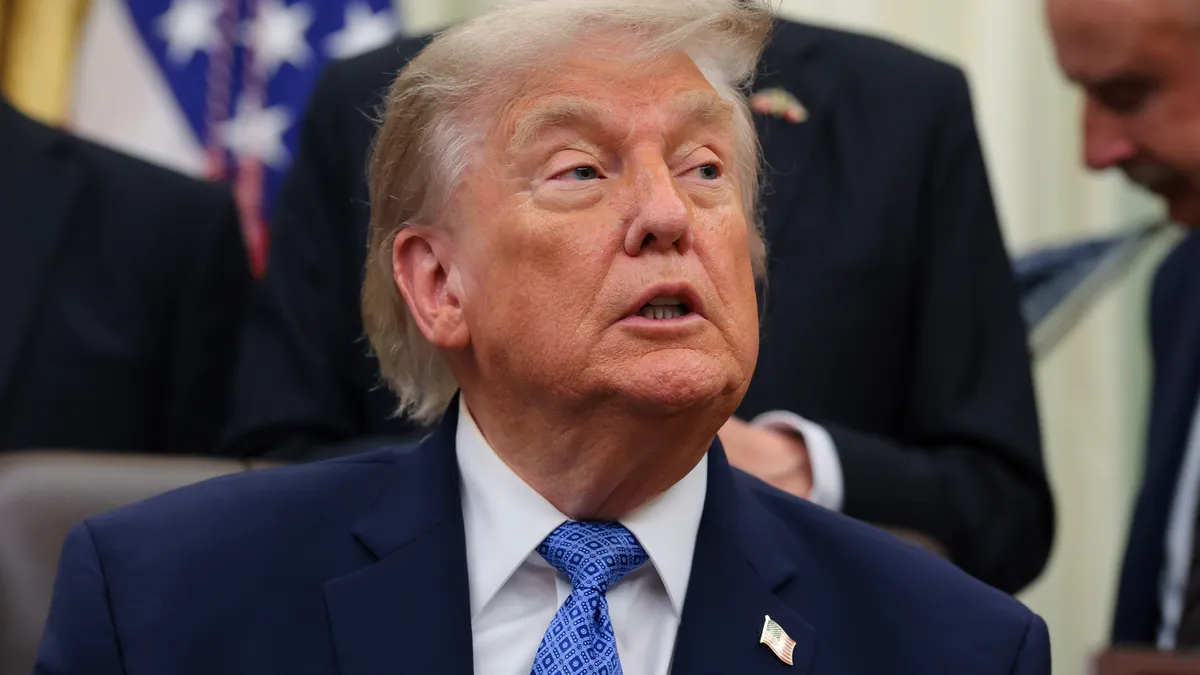
Trump faces mounting GOP pressure to exit Iran war as midterms near

Daftar Isi
Republican Lawmakers Intensify Calls for Trump to End Iran Conflict Before Midterms
Cybersecarmor.com – As the November elections draw closer, President Donald Trump is encountering mounting resistance from within his own party regarding the ongoing military engagement in Iran. Republican lawmakers and strategists are increasingly vocal about their concerns, warning that the prolonged conflict could severely damage the party’s electoral prospects. What began as a campaign promise of a swift resolution has evolved into a six-month struggle with no clear termination date in sight.
The political pressure comes at a critical juncture for the Republican Party. With Election Day less than ninety days away, GOP officials are grappling with a conflict that has simultaneously strained diplomatic relations and impacted domestic economic conditions. Republican voters, who initially supported Trump’s aggressive stance on Iran, are growing increasingly frustrated with what they perceive as inconsistent messaging from the White House.
Economic Concerns Drive Political Anxiety
The financial toll of the Iran war has become a central issue for Republican lawmakers as they return to their districts during the congressional recess. Inflation currently stands at 3.4 percent, a figure that exceeds both pre-conflict levels and the rates present when Trump first assumed office. This economic reality has directly affected American households, with gasoline prices climbing above four dollars per gallon and other consumer costs rising in tandem.
It’s one of those issues where there’s almost no upside, GOP pollster and Cygnal founder Brent Buchanan said of the conflict.
The economic implications extend beyond immediate consumer prices. Trump was elected partly on a platform of reducing inflation, making the current surge in fuel costs particularly problematic for his administration’s narrative. GOP pollster Whit Ayers noted that the combination of rising gas prices and broader inflation creates a challenging political environment for Republicans heading into the fall elections.
Lawmakers Seek Strategic Clarity
Republican senators have been particularly vocal about their concerns during private meetings with Vice President JD Vance. The discussions, held on Capitol Hill before the August recess, centered on the need for clearer communication regarding the administration’s objectives in Iran. Senator John Kennedy of Louisiana emphasized that many Americans remain uncertain about both the original rationale for military intervention and the current trajectory of the conflict.
If it’s unpopular, and they feel that way, they should tell their constituents the truth, said Tillis, whose impending departure from Congress has allowed him to break publicly with the Trump administration on key issues.
Senator Thom Tillis, who is retiring from North Carolina, has emerged as one of the most prominent voices calling for Republican lawmakers to distance themselves from the White House on this issue. Tillis suggested that the political damage from the Iran conflict has already begun affecting Trump’s approval ratings and could threaten the party’s ability to maintain congressional control.
Internal Messaging Challenges
The administration’s approach to communicating about the war has drawn criticism even from within Republican ranks. Kennedy observed that Trump is not always disciplined in his messaging, suggesting that other officials should take greater responsibility for explaining the situation to the public. The lack of consistent communication has left many Americans confused about the purpose and progress of the military engagement.
Internal documents circulated among Senate Republicans in July acknowledged the political vulnerability created by high fuel costs. The strategy guidance urged senators to express genuine concern about gas prices while emphasizing their commitment to seeing costs decline. This messaging challenge is compounded by the fact that many Republicans are simultaneously campaigning for reelection and supporting colleagues who face competitive races.
White House Defends Dual Approach
The White House has maintained that it can address both national security concerns and economic pressures simultaneously. Spokesperson Kush Desai emphasized that the administration’s efforts to prevent Iran from acquiring nuclear weapons complement its broader economic agenda. The statement highlighted initiatives such as Trump Accounts and regulatory reductions as evidence of the administration’s commitment to working-class Americans.
For the Trump administration, economic prosperity is not possible without national security, and national security is not possible without economic prosperity.
Despite these assurances, Democratic opponents are preparing to intensify their criticism of the administration’s handling of the conflict. The combination of economic pressures and diplomatic uncertainty has created what many Republicans describe as a difficult political landscape. As the midterms approach, the party faces the challenge of balancing support for the president’s foreign policy with the need to address voter concerns about affordability and strategic direction.
The coming weeks will be critical in determining whether the White House can successfully navigate these political headwinds or whether the Iran conflict will become a defining issue in the upcoming elections.
Related Reading
Frequently Asked Questions
What is Trump faces mounting GOP pressure to exit?
Trump faces mounting GOP pressure to exit is the main topic of this guide. The article explains the context, practical details, and next steps readers should understand.
Why does Trump faces mounting GOP pressure to exit matter?
Trump faces mounting GOP pressure to exit matters because readers are looking for a useful answer, not just a short summary. Good content should match search intent and help them decide what to do next.