
Spain’s Bizum heads to the high street to take on Visa and Mastercard
Spain’s Bizum Expands to Physical Stores, Challenging Visa and Mastercard
Spain s Bizum heads to the high – Spain’s domestic payment platform Bizum, which has already rendered cash obsolete in social gatherings, is now making its way into physical retail spaces. This move marks a significant shift in how financial transactions are conducted within the country, aiming to challenge the dominance of global card networks like Visa and Mastercard. While the transition is primarily technical, its broader implications could reshape the payment landscape across Europe, reducing dependency on US-based infrastructure and redefining merchant fees.
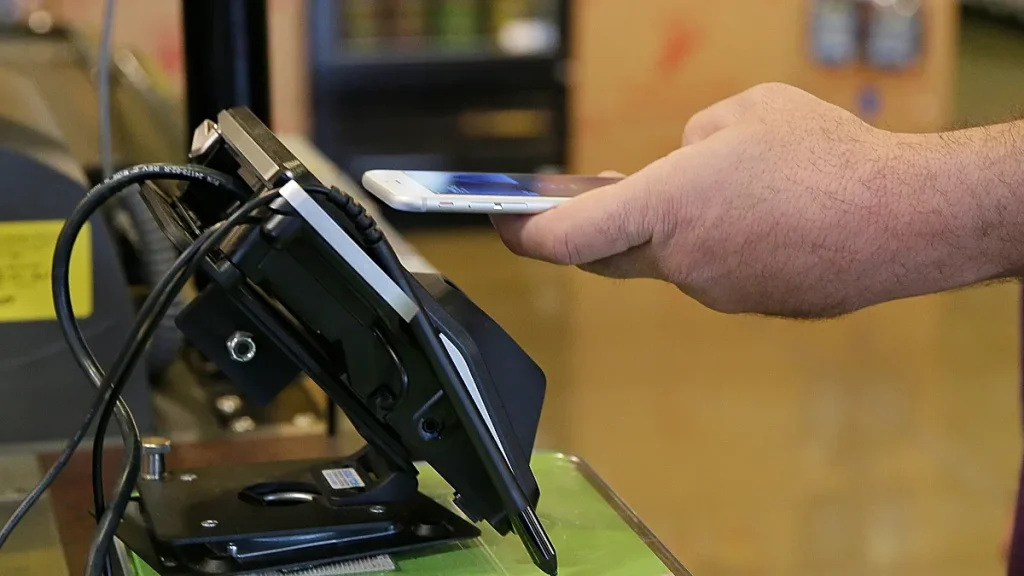
Bizum’s expansion into in-store transactions relies on NFC technology, allowing customers to make payments instantly by tapping their smartphones or cards on a reader. Unlike traditional card systems, which route money through Visa or Mastercard’s networks, Bizum Pay will connect directly from the user’s account to the merchant’s, bypassing intermediaries. This change is expected to lower costs for businesses and streamline the process for consumers, potentially giving Spain a competitive edge in the European payment market.
Until recently, every purchase using a card or digital wallet was processed through international payment schemes, which collect interchange and service fees from merchants. These fees, often ranging from 0.2% to 2% of the transaction value, have long been a point of contention for small and medium-sized businesses. By integrating Bizum Pay into physical stores, merchants can now avoid these charges, saving money on every transaction. Additionally, the data flow for payments is shifting from servers across the Atlantic to Spain’s own systems, offering greater control over consumer profiles and transaction analytics.
The rollout of Bizum Pay is set to begin on 18 May, with major banks such as CaixaBank, Sabadell, and Bankinter leading the charge. These institutions, part of a unified bloc of around 40 Spanish financial entities, have already established a robust digital ecosystem. Over 111,000 businesses are expected to adopt the system, while more than 30 million users—nearly the entire adult banking population in Spain—will benefit from its seamless integration. This scale underscores Bizum’s potential to disrupt traditional payment models, especially in a market where digital commerce has already demonstrated its power.
Since its inception, Bizum has grown rapidly, with 3.4 million instant transfers recorded in 2025 alone. The platform’s success in online transactions, where it surpassed 100 million payments by year-end, suggests a strong foundation for physical retail adoption. The initial phase of the in-store rollout will focus on expanding the service to major retailers, with full integration anticipated by the end of 2026. However, the most impactful consumer engagement is likely to occur in September or October, when the system becomes widely available.
For merchants, the primary advantage of Bizum Pay is its cost-effectiveness. Unlike card networks, which charge high interchange fees, Bizum offers significantly lower rates. This could be a game-changer for small businesses, which often struggle with the financial burden of international payment systems. Moreover, the instant settlement feature of Bizum reduces the time between transaction and funds availability, enhancing cash flow management for retailers.
While Bizum’s expansion is a technical milestone, it also reflects a strategic move by Spanish banks to consolidate their position in the payment sector. By creating a unified system, they’ve achieved something that Germany and France have yet to replicate: a cohesive, domestic payment infrastructure. This model is now being positioned as a blueprint for the European Payments Initiative (EPI), which aims to standardize digital payment solutions across the continent. The ambition is clear: to enable a Spaniard to pay for a coffee in a Milan café or a meal in a Lisbon bar as effortlessly as sending €10 for a gift.
Historically, US-based payment networks have relied on two key strategies to maintain dominance in Europe: loyalty programs and credit options. Cashback rewards, purchase insurance, and points systems have long attracted consumers, while deferred payment methods like credit cards have provided flexibility for larger purchases. Bizum, as a direct transfer platform, lacks these features initially. However, its rapid adoption in online spaces has already demonstrated how quickly consumers can shift preferences when given a superior alternative.
For local commerce, the implications are profound. If in-store experiences match the convenience of online transactions, businesses with an exclusively Spanish customer base may find it increasingly advantageous to prioritize Bizum. This could lead to a measurable decline in reliance on international payment processors like Stripe, Adyen, or PayPal, which charge hefty fees for their services. The switch to a domestic system not only cuts costs but also reduces the need for foreign infrastructure, enhancing financial sovereignty.
The question remains: why has no equivalent system emerged in France or Germany? The answer lies in the fragmentation of their banking sectors. While Spanish banks quickly aligned to create Bizum, their European counterparts have faced challenges due to differing regulations, competing standards, and slower collaboration. This division has allowed Visa and Mastercard to maintain their grip on the market, but Spain’s success could inspire a continent-wide rethinking of payment systems.
As Bizum prepares to compete in physical retail, its potential impact on the broader European market is significant. Analysts predict that, within two to three years, the platform could capture between 25% and 35% of in-store payment volume in Spain. This growth would not only benefit local businesses but also challenge the status quo of global payment giants. The key to sustaining this momentum will be maintaining the same level of user trust and convenience that has made Bizum a household name in Spain.
Spain’s model is already gaining traction as part of the EuroPA Alliance, a European initiative aimed at fostering interoperability among payment systems. By demonstrating the viability of a domestic alternative, Bizum could pave the way for similar platforms in other countries. The shift from traditional card networks to local solutions may also accelerate the adoption of other emerging technologies, such as blockchain-based payments or decentralized finance models.
For consumers, Bizum’s appeal is twofold: it’s already the default payment method in many cases, and it offers a frictionless experience. This dual advantage means that even as Visa and Mastercard refine their offerings, Bizum’s presence in physical stores could steadily grow. The competition, however, is far from over. In high-value purchases, Visa and Mastercard still hold sway, but their reliance on micro-payments—such as those made through digital wallets or contactless cards—may be challenged by Bizum’s streamlined approach.
Ultimately, Bizum’s expansion into physical retail is more than just a technological upgrade. It represents a broader movement toward financial autonomy, where domestic systems can outperform global giants in both cost and efficiency. As the platform continues to grow, it may inspire a new era of European payment innovation, one where borders no longer dictate the ease of transactions. The future of in-store payments in Spain—and potentially across Europe—could hinge on how well Bizum can replicate its online success in the real world.

