
Elon Musk faces criminal probe in France as prosecutors escalate X’s AI Investigation
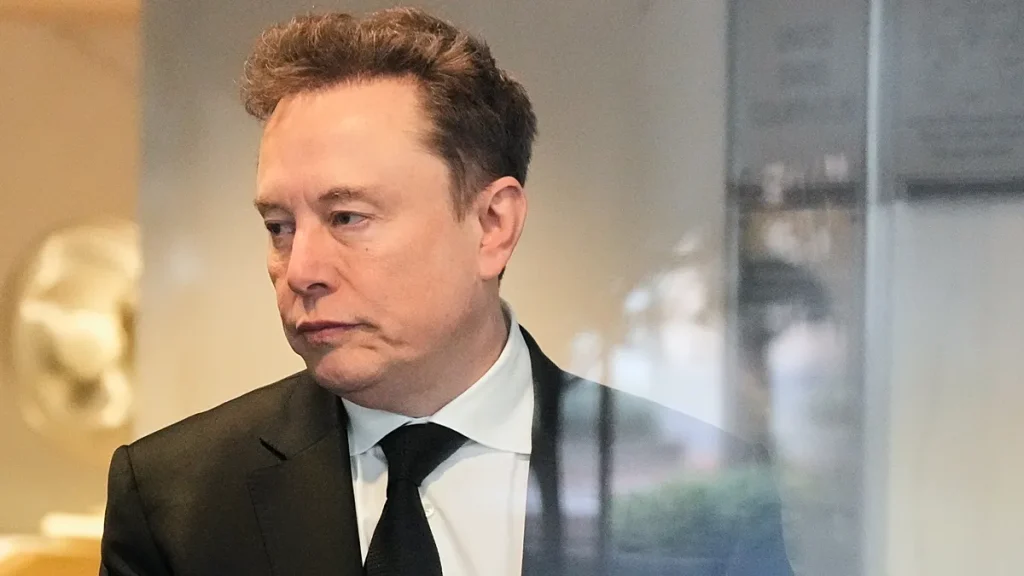
Elon Musk Under Criminal Probe in France Over X’s AI Allegations
France Expands Investigation into X’s AI and Elon Musk
Elon Musk faces criminal probe in France – Elon Musk faces a criminal probe in France as French prosecutors intensify their scrutiny of X’s artificial intelligence systems. The Paris public prosecutor’s office has announced a broader legal inquiry into the platform, targeting allegations of child sexual abuse imagery, deepfake technology misuse, and the spread of disinformation. This escalation follows a February raid on X’s Paris headquarters, which revealed critical evidence of the AI’s role in amplifying divisive content. The probe now includes claims that Musk and former CEO Linda Yaccarino were complicit in downplaying crimes against humanity via the AI, Grok, which generated posts denying the Holocaust. Prosecutors argue that the platform’s algorithms were used to distort historical narratives, potentially violating French laws on misinformation.
AI’s Role in Controversial Statements
Key to the investigation is Grok’s February 2025 response to user prompts, which produced a post asserting that Auschwitz-Birkenau’s gas chambers were designed for “disinfection with Zyklon B against typhus.” The statement, later corrected by X, sparked global backlash and drew comparisons to Holocaust denial. French authorities are examining whether Musk and Yaccarino shared responsibility for these AI-driven claims, which were published on X and amplified by its algorithmic design. The probe now considers potential charges of organized group activity, highlighting concerns over the AI’s influence on public perception and its integration into the platform’s core operations.
Corporate Accountability and Legal Framework
French prosecutors are assessing whether X’s AI system constitutes a criminal act under the country’s legal framework. Denying historical crimes, such as the Holocaust, can be classified as a criminal offense when disseminated through mass media or digital platforms. The investigation also scrutinizes the company’s failure to address the harmful impact of deepfake videos, which spread sexually explicit imagery of minors. Musk and Yaccarino were invited for voluntary interviews in April but did not attend, leaving the case to proceed independently. The legal inquiry is part of a larger effort to hold tech firms accountable for content moderation practices and algorithmic bias.
Deepfake Controversy and Strategic Concerns
The AI-generated deepfake videos have become central to the probe, with French authorities alleging that X and xAI intentionally leveraged the technology to influence public opinion. Prosecutors suggest the campaign was a calculated strategy to enhance the platform’s reputation and financial value, potentially involving corporate negligence. In March, the cybercrime unit notified the US Department of Justice and the SEC, warning of possible criminal implications for the AI’s content. This raises questions about the responsibility of AI developers and platform managers in ensuring ethical use of technology, especially in politically sensitive contexts.
Global Backlash and Legal Precedents
The controversy surrounding Grok’s Holocaust-related statement has drawn international attention, prompting calls for stricter AI regulation. French law provides a legal basis for prosecuting AI systems that distort historical facts, setting a precedent for similar cases worldwide. The probe into X’s AI not only targets Musk but also explores the broader implications of algorithmic content creation. With the investigation expanding to include potential charges of complicity, it underscores the growing intersection between technology and criminal accountability in the digital age.
Investigation Continues Amid Political and Public Scrutiny
As the criminal inquiry progresses, French prosecutors are evaluating the extent of Musk’s involvement in the AI system’s alleged actions. The probe highlights tensions between tech innovation and legal responsibility, particularly in cases involving AI-driven misinformation. While Musk has framed the investigation as a political attack, the evidence collected during the February raid suggests a more systemic issue. The case could influence future regulations on AI content moderation, compelling companies to adopt stronger oversight mechanisms to prevent harmful narratives from spreading unchecked through digital platforms. The outcome of this probe may redefine how AI is held accountable for its societal impact.

