
Europe needs to be more radical on the energy crisis. But how? EU Climate Commissioner explains
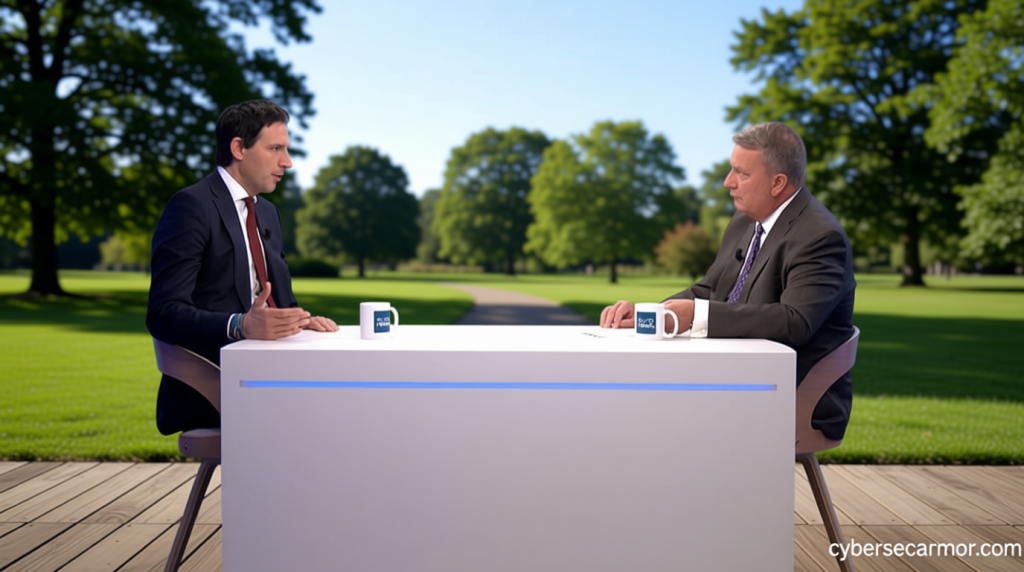
Europe Needs to Be More Radical: EU Climate Commissioner Urges Bold Energy Strategies
Europe needs to be more radical – Amid growing energy instability, EU Climate Commissioner Wopke Hoekstra has called for a more decisive approach to addressing the continent’s energy challenges. In a recent interview on Euronews’ The Europe Conversation, the commissioner stressed the importance of accelerating the transition to renewable energy and diversifying supply sources. “Europe needs to be more radical in how it responds,” he asserted. “That means more electrification, more heat pumps, and more nuclear power. We also need more interconnectors between member states and a stronger push for renewables.” His comments highlight the urgency of implementing transformative measures to insulate the EU from global energy market fluctuations.
Lessons from History and Current Realities
Hoekstra drew parallels between the current energy crisis and past challenges, such as the oil shocks of the 1970s. “We’ve seen this before, and after each crisis, we should have been more forward-thinking,” he remarked. “Now, Europe needs to be more proactive in securing its energy future.” The commissioner noted that while the EU has made progress in reducing reliance on Russian gas, new dependencies on American and Qatari LNG have introduced fresh uncertainties. “We need to be more careful about how we replace old sources,” he added, emphasizing the importance of balancing immediate needs with long-term sustainability.
“We truly are at the mercy of others. While removing Russian gas was smart, we’ve now increased our dependence on LNG from the US and Qatar. Is that a safe move? I think we’re starting to question it.”
The transition to alternative energy sources has exposed Europe’s reliance on external suppliers, with recent geopolitical shifts exacerbating the situation. Hoekstra argued that the EU must not only diversify its supply chains but also invest in resilient infrastructure to minimize risks. “Europe needs to be more self-reliant, and that starts with building a stronger energy network,” he said. This push for greater independence is critical as the bloc faces ongoing volatility in global markets and the threat of future disruptions.
Financial Pressures and Energy Poverty
As energy prices rise, the economic burden on households and businesses has intensified. Hoekstra highlighted the impact of soaring oil and gas costs, particularly in light of the Middle East’s instability. “Europe needs to be more aggressive in reducing energy costs,” he stated. “High prices are making it harder for people to afford basic needs like heating and electricity.” The commissioner pointed to the European Commission’s efforts to support vulnerable populations but stressed that these initiatives alone cannot solve the crisis. “We need more than temporary fixes—this requires a sustained and comprehensive strategy.”
Energy poverty has become a pressing issue, with many households struggling to cover rising utility bills. Hoekstra noted that the current economic strain has underscored the need for long-term solutions, including better insulation, energy-efficient appliances, and expanded renewable adoption. “Europe needs to be more decisive in investing in these areas,” he said. The commissioner also warned that without structural changes, the financial impact of energy crises could persist for years, affecting both consumers and industries.
“Whether that is in three years or five years or 10 years, no one knows. Europe needs to be more prepared for the long term.”
Hoekstra acknowledged that gas will remain a key transitional fuel but argued that its role should diminish rapidly. He cited advancements in artificial intelligence as a factor driving increased energy demand, stating that “we need to be more strategic in how we meet this rising need.” By leveraging technology and expanding renewable capacity, the EU can mitigate the pressure on traditional energy sources. “The goal is to ensure Europe remains more resilient and less vulnerable to external shocks,” he concluded.
Infrastructure and Investment Priorities
Hoekstra emphasized the need for greater investment in energy infrastructure, including grid upgrades and expanded charging networks for electric vehicles. “Europe needs to be more committed to building the systems that support a clean energy transition,” he said. The commissioner warned that insufficient funding and outdated infrastructure are hindering progress. “We have more work to do,” he admitted, stressing that every euro allocated to these projects is essential for long-term stability.
Looking ahead, Hoekstra called for a coordinated effort across the EU to ensure energy security and affordability. “Europe needs to be more unified in its approach,” he stated. The commissioner’s vision includes a mix of nuclear, renewables, and smart grid technologies to create a more reliable and sustainable energy landscape. “This is not just about reducing dependence—it’s about creating a more efficient and adaptable energy system.” With continued investment and policy reforms, the EU aims to make its energy strategy more robust and future-proof.

