
21 people killed and dozens injured in massive explosion at fireworks plant in China
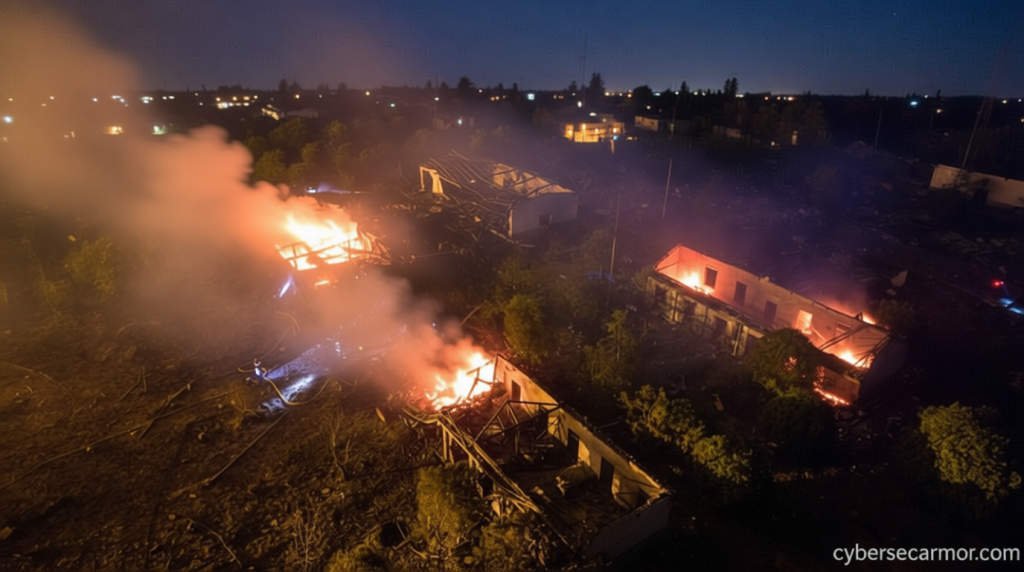
Tragic Explosion at Hunan Fireworks Plant Claims 21 Lives, Injures 61
21 people killed and dozens injured – On Monday afternoon, a powerful blast at a fireworks manufacturing facility in Changsha, Hunan province, left at least 21 fatalities and over 60 injured, as reported by China’s state media. The incident, which shook the central region of the country, occurred at the Huasheng Fireworks Manufacturing and Display Co. site, a key player in the local industry. State broadcaster CCTV released aerial footage on Tuesday, capturing lingering white smoke over parts of the area and showing structures partially collapsed or damaged. The video offered a grim snapshot of the aftermath, highlighting the scale of destruction and the ongoing efforts to assess the situation.
Rescue Operations and Evacuation Efforts
Authorities mobilized nearly 500 emergency personnel to the site, working tirelessly to locate survivors and manage the crisis. As part of the response, nearby residents were evacuated to ensure their safety, with officials citing the proximity of two black powder warehouses as a major risk factor. The evacuation process was coordinated to minimize exposure to potential secondary explosions, reflecting the urgency of the situation. In addition to human teams, specialized equipment was deployed to stabilize the site and support recovery operations.
Rescuers are employing innovative strategies to mitigate further dangers, including spraying water and implementing humidification techniques to reduce the risk of fire or additional blasts. These measures are part of a broader effort to neutralize volatile substances and create safer conditions for both workers and the surrounding community. Three robotic units were also introduced to assist in the search and rescue mission, designed to navigate hazardous environments and protect human rescuers from direct harm. The integration of technology underscores the evolving approach to disaster management in key industries.
Investigation and Accountability Measures
The cause of the explosion remains under investigation, with authorities examining all possible factors contributing to the incident. The person responsible for overseeing operations at Huasheng Fireworks has been detained, signaling the government’s commitment to assigning blame and ensuring accountability. The investigation is expected to delve into safety protocols, equipment maintenance, and potential human error, as these elements are critical in determining the root cause of the disaster.
Chinese President Xi Jinping has emphasized the need for a comprehensive and swift inquiry into the incident. In a directive issued following the explosion, he called for “all-out efforts” to locate individuals still missing and provide medical care to the injured. The president’s remarks underscored the urgency of the situation and highlighted the importance of maintaining public safety in high-risk sectors. He also urged officials to implement stricter measures for identifying and mitigating hazards, particularly in industries reliant on flammable materials like fireworks.
Xi Jinping’s focus on accountability extends to broader policy implications, with his call for enhanced risk assessments and improved safety standards across critical industries. The incident has prompted discussions on revising existing regulations to prevent similar tragedies in the future. Authorities have been directed to conduct rigorous reviews of operational practices and ensure that all potential threats are addressed proactively. This includes examining the use of hazardous materials, storage conditions, and emergency response plans.
Historical Context of Liuyang’s Fireworks Legacy
The explosion in Changsha has reignited interest in the historical significance of Liuyang, a city renowned for its centuries-old tradition of fireworks production. Liuyang, located in Hunan province, has long been a hub for the craft, with its roots tracing back to ancient times. According to Guinness World Records, the first documented firework, the Chinese firecracker, was attributed to Li Tian, a monk who lived near Liuyang during the Tang dynasty (618–907). This innovation marked a pivotal moment in the evolution of pyrotechnic arts, as Li Tian’s method of encasing gunpowder in hollow bamboo stems created the foundation for modern fireworks.
Li Tian’s discovery not only revolutionized celebrations in China but also laid the groundwork for the widespread use of fireworks in festivals and rituals. His invention, which combined scientific principles with traditional craftsmanship, became a symbol of cultural heritage and ingenuity. Today, Liuyang continues to play a vital role in the global fireworks industry, exporting products to countries worldwide. However, the recent tragedy has cast a shadow over its storied legacy, prompting reflection on the balance between innovation and safety in this age-old sector.
Community Impact and Ongoing Concerns
Residents in the vicinity of the explosion have been advised to remain vigilant, with authorities issuing warnings that the death toll could rise further. The proximity of the black powder warehouses to the site has raised questions about the adequacy of safety barriers and emergency preparedness. While the immediate danger has been addressed through evacuation efforts, long-term concerns about the environmental and structural impacts of the blast persist. Experts are analyzing the potential for soil contamination and structural damage to nearby infrastructure, which may affect the region for months to come.
Local officials have also emphasized the importance of community cooperation in ensuring public safety. Residents are being encouraged to follow updated guidelines, such as avoiding areas with lingering smoke and reporting any unusual signs of instability. The incident has sparked a renewed focus on the safety of industrial zones, with discussions about the need for regular inspections and the implementation of advanced monitoring systems. These measures aim to prevent future accidents while preserving the economic contributions of the fireworks industry to the region.
As the investigation progresses, the government has pledged to hold those responsible accountable, while also addressing systemic issues that may have contributed to the disaster. The use of technology, such as robotic units in rescue operations, reflects a modern approach to managing crises, blending traditional methods with contemporary innovations. This incident serves as a stark reminder of the potential dangers associated with industries that handle flammable materials, prompting a reevaluation of safety standards and risk management practices across China.
Global Implications and Industry Reforms
The explosion has drawn attention beyond China, with international observers closely monitoring the developments. The fireworks industry, which plays a significant role in global celebrations, faces increased scrutiny as a result of the tragedy. Industry leaders are now evaluating the need for enhanced safety protocols, including the adoption of more robust storage solutions and the integration of real-time hazard detection systems.
Experts suggest that the incident could lead to a nationwide review of safety practices in the fireworks sector, potentially resulting in regulatory changes that align with international standards. The use of robots in rescue operations has also sparked interest in automation as a means of reducing human exposure to dangerous environments. These advancements may become standard in the industry, offering a new layer of protection for workers and the public. Meanwhile, the historical connection between Liuyang and the invention of fireworks adds a cultural dimension to the ongoing discussions about safety and innovation.
As the dust settles over the disaster, the community of Changsha remains on high alert. The combination of traditional craftsmanship and modern industrial practices has led to a complex interplay of risks and rewards. The tragedy has not only affected the families of the victims but also highlighted the need for a more integrated approach to safety, one that combines historical knowledge with cutting-edge technology. This incident is a sobering reminder of the importance of vigilance in industries that have long been integral to China’s cultural identity.

