
Spirit Airlines: What rights do passengers have if an airline collapses?
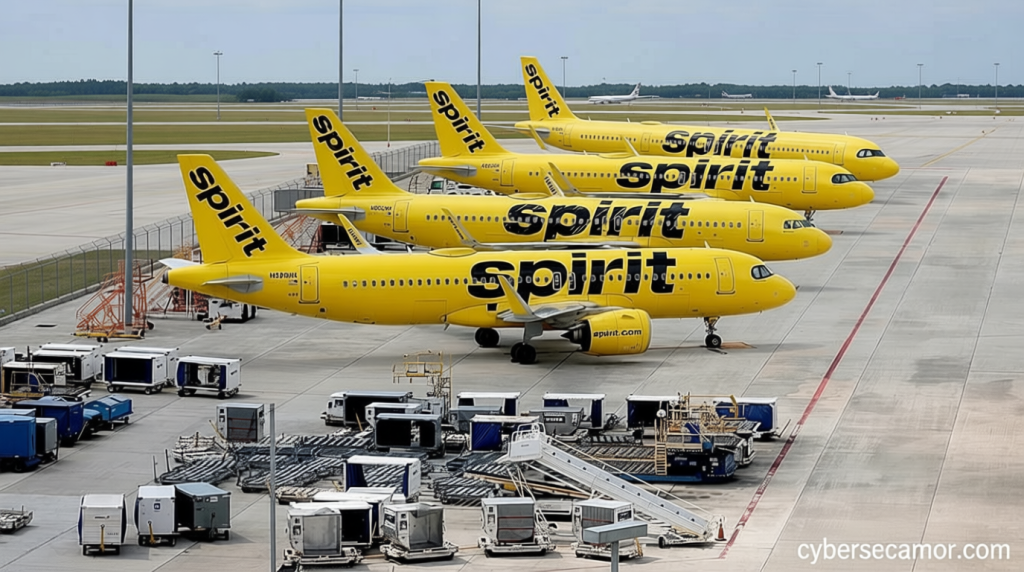
Spirit Airlines: What Rights Do Passengers Have If an Airline Collapses?
When an Airline Disappears: Passenger Concerns Rise
Spirit Airlines – The recent shutdown of Spirit Airlines has left many travelers anxious about their upcoming flights. With Ryanair’s Michael O’Leary cautioning that two or three European carriers might face financial collapse by the winter, the fear of sudden airline failures has intensified. While typical flight cancellations usually result in refunds or rebookings, the situation changes dramatically when a carrier goes bankrupt. In such cases, the airline no longer operates, leaving passengers without a clear path to recoup their money or secure alternative travel arrangements.
Refund Processes in Bankruptcy vs. Regular Cancellations
In normal scenarios, airlines are obligated to offer refunds or rebook passengers on other flights when a cancellation occurs. However, bankruptcy introduces a different challenge. Once a carrier ceases operations, there’s no entity left to fulfill these obligations. Despite this, Spirit Airlines customers have been assured that refunds for future flights will be processed automatically. Yet, this isn’t a universal rule. For instance, when the Icelandic low-cost airline WOW Air collapsed in 2019, passengers were directed to pursue refunds through their credit card providers or travel insurance policies. The absence of a functioning airline meant they had to take proactive steps to reclaim their funds.
Credit Card Chargebacks: A Potential Safety Net
If you’ve booked flights using a credit card, you may have an additional layer of protection. Credit card companies often allow customers to initiate chargebacks, which can reverse the payment if the airline fails to deliver the service. This process typically requires evidence that the supplier (the airline) did not fulfill its commitment. For example, if a flight is canceled due to bankruptcy, the passenger can file a claim with their card issuer to recover the funds. The effectiveness of this option depends on the specific terms of the credit card agreement, but it provides a crucial safety net for travelers in certain cases.
Debit Cards: Limited Protections in Some Regions
Debit card users may not enjoy the same level of protection as credit card holders. Generally, purchase protection is not automatically extended to debit transactions, but this can vary significantly by country. A 2020 European Commission report on chargebacks in the EU/EEA highlighted that consumers in Denmark and Portugal might have the option to claim refunds for debit card purchases. However, this is not a guaranteed right across all European nations. The report also noted that additional measures, such as legislative changes or consumer advocacy, could strengthen debit card protections in the future.
Travel Insurance: A Critical Component of Risk Management
Travel insurance can serve as a vital resource for passengers affected by an airline collapse. Policies often include coverage for “scheduled airline failure insurance” or “end supplier failure insurance,” which can reimburse the cost of unused tickets or help cover the expense of new bookings. However, this type of coverage is not included as a standard feature. It typically requires passengers to add it as an extra option when purchasing their insurance. For example, if a passenger has travel insurance and their flight is canceled due to bankruptcy, they might be eligible for compensation for the cost of a replacement ticket or other related expenses. The exact benefits and conditions, though, depend on the insurer and the specific policy details.
Steps to Take When an Airline Collapses
When an airline you’ve booked with collapses, it’s essential to act quickly. Here are some steps passengers should consider: 1. **Check for Automatic Refunds:** Some airlines, like Spirit, offer automatic refunds, but this isn’t always the case. 2. **Initiate a Chargeback:** If you used a credit card, contact your card provider to request a chargeback. 3. **Review Travel Insurance Policies:** Confirm whether your coverage includes provisions for airline failures. 4. **Explore Rescue Fares:** Other airlines may offer discounted fares to help passengers reach their destinations. 5. **Contact the Airline’s Bankruptcy Trustee:** If the airline has a bankruptcy plan, reach out to the appointed administrator to inquire about refund processes or rebooking options. Each of these steps can help mitigate the financial impact of an airline’s sudden closure.
Rescue Fares: Temporary Solutions for Travelers
When an airline collapses, rescue fares often emerge as a lifeline for stranded passengers. These are discounted tickets offered by other carriers to help travelers reach their destinations. For example, following Spirit Airlines’ shutdown, JetBlue announced $99 one-way rescue fares for passengers who had booked flights with Spirit. Similarly, Delta introduced reduced fares over the next five days, providing immediate relief to those in need. Other airlines, including United and Southwest, also joined the effort by offering similar rescue options. These fares are usually available for a limited time and may have specific terms, such as requiring the passenger to travel on the same date or within a certain window. While they aren’t a permanent solution, rescue fares can significantly reduce the financial burden for affected travelers.
Legal Framework and Passenger Protections
The legal framework governing passenger rights during airline bankruptcies varies by region. In the United States, the Airline Deregulation Act of 1978 established rules for refunding passengers in case of carrier insolvency. This act mandates that airlines must refund unused portions of tickets or provide travel options within a specified timeframe. However, in some countries, the rules are less stringent. For instance, in the EU, the 2011 Passenger Rights Regulation outlines specific entitlements, including the right to a refund within seven days of a cancellation. When an airline goes bankrupt, these regulations may be activated, but the process of reclaiming funds can be more complex due to the airline’s lack of operational capacity.
What Travelers Can Do to Protect Themselves
Proactive measures can help travelers minimize their risk when booking with airlines. Here are some strategies: – **Choose Airlines with Strong Financial Standing:** Research the carrier’s financial health before purchasing tickets. – **Utilize Credit Cards with Travel Insurance:** Credit cards like Visa or Mastercard often offer built-in travel protection, which can be invaluable in case of cancellations. – **Purchase Comprehensive Travel Insurance:** Ensure your policy includes coverage for airline failures and check the fine print for exclusions. – **Keep Receipts and Documentation:** These are crucial when filing a chargeback or insurance claim. – **Stay Informed:** Monitor news about airline financial troubles and be prepared to act quickly if needed. By taking these steps, passengers can better safeguard their investments and reduce the uncertainty of travel disruptions.
Real-World Examples and Lessons Learned
Historical cases provide valuable insights into how passengers can navigate airline collapses. WOW Air’s 2019 bankruptcy, for instance, left thousands of travelers scrambling to claim refunds. Many had to contact their credit card companies or insurance providers, sometimes facing delays or limited success. This event underscored the importance of having multiple layers of protection. Similarly, the recent Spirit Airlines situation has shown that while some carriers offer automatic refunds, others leave passengers to fend for themselves. These examples highlight the need for travelers to understand their rights and take advantage of available safeguards, ensuring they are not left in the lurch when an airline suddenly ceases operations.

