Canadian pilot flew for years without correct license, police say

Canadian Pilot Faced with Fraud Charges After Years of Unlicensed Captain Activity
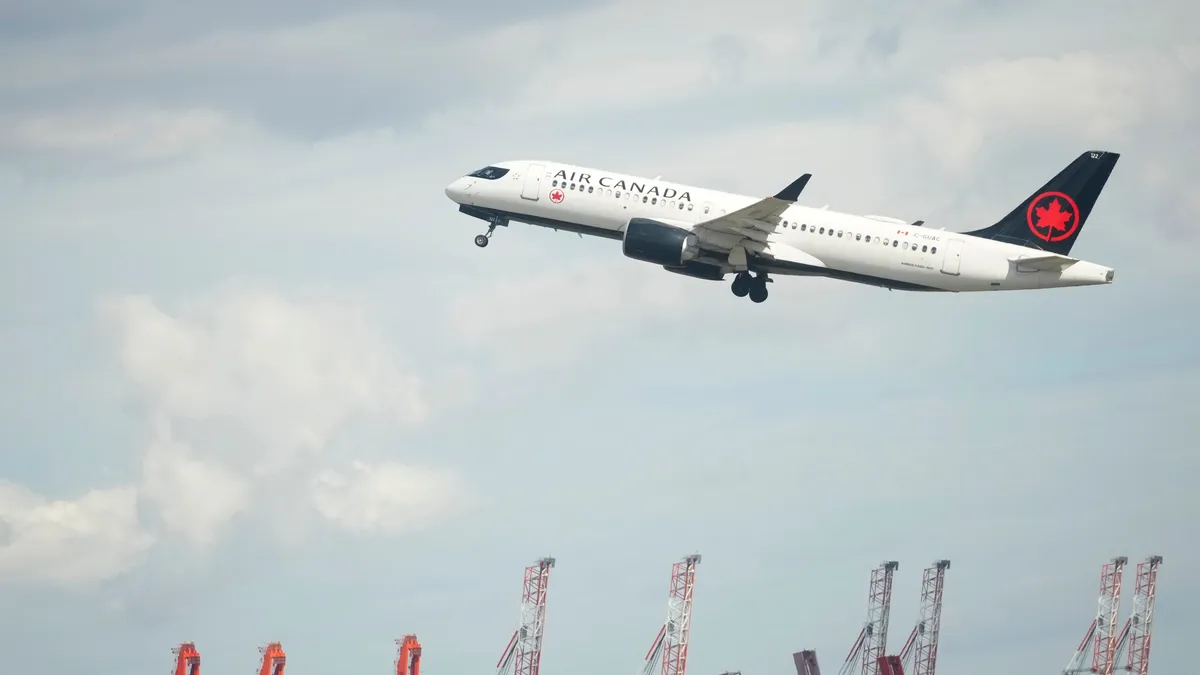
Cybersecarmor.com – Canadian aviation authorities have announced charges against a pilot who allegedly operated as a captain for nearly 17 years without the necessary credentials, according to a recent press release. The individual, Geoffrey Wall, 59, from Barrie, Ontario, was arrested and formally accused of fraud, forgery, and public mischief following an investigation labeled “Project Icarus.” The case has sparked discussions about the rigor of pilot licensing and the potential risks of regulatory oversight gaps.
A Career Spanning 27 Years with Air Canada
Geoffrey Wall’s tenure with Air Canada began over two decades ago, during which he served as a first officer before advancing to the role of captain in 2009. By the time of his arrest in early 2026, he had accumulated significant experience, logging thousands of flight hours across Boeing 767, 777, and 787 jet models. His position as a captain involved leading flights with passengers, a responsibility that requires a specific Airline Transport Pilot License (ATPL) to ensure compliance with aviation safety standards.
However, despite holding a Commercial Pilot License (CPL), Wall did not possess the ATPL required for commanding aircraft in commercial operations. Police reports indicate that he used “materially altered and counterfeit government-issued licenses and documentation” to bypass these requirements. The deception allegedly allowed him to operate as a captain for over 16 years, ferrying tens of thousands of travelers on more than 900 flights without proper authorization.
Discovery Through Routine Credential Checks
The case came to light during a standard evaluation of pilot credentials, which uncovered “anomalies” in Wall’s records. According to Det. Sgt. Chad Mitchell, the investigation began when discrepancies were noticed in his licensing history. These inconsistencies led to a deeper probe, revealing that Wall had been using forged documents to maintain his position as a captain.
Deputy Chief Nick Milinovich described the situation as resembling a “movie script,” emphasizing the extraordinary nature of the fraud. “It’s like a doctor licensed to practice family medicine performing brain surgery in their office,” he said. “Regulations and licensing requirements exist for a reason—they are designed to protect people and uphold industry standards.” This analogy highlights the critical importance of adhering to strict licensing protocols, especially for roles that involve significant safety responsibilities.
Air Canada’s Response and Safety Measures
Upon learning of the allegations, Air Canada issued a statement affirming that Wall was no longer employed with the airline. He retired in 2025, and the criminal investigation was launched in January 2026. The statement noted that safety was not compromised during his tenure because all pilots undergo mandatory recurrent training every six months. This training includes simulator sessions and check flights to ensure competency, with an annual evaluation by a certified Transport Canada check-pilot.
Despite these safeguards, Air Canada acknowledged the seriousness of the situation. “Appropriate licensing is an essential layer in the airline industry’s multi-layered approach to safety,” the airline said. “While our training programs ensure pilots are capable, the absence of a valid license could create vulnerabilities in the system.” The company has since reinforced its process for twice-annual license checks, aiming to prevent similar incidents in the future.
Following the discovery of Wall’s fraud, Air Canada conducted an audit of other pilots, which found no additional issues with their credentials. This step underscores the airline’s commitment to maintaining high safety standards and addressing potential gaps in its verification procedures. However, the case has raised questions about how such a long-term deception could go undetected, even with regular checks in place.
Financial Implications and Legal Proceedings
Preliminary estimates suggest that Wall earned over $2.9 million in salary while operating as a captain without proper licensure. The financial stakes of the case highlight the potential for large-scale fraud within the aviation sector, where credentials are often tied to employment and pay. Authorities have stated that the investigation into his activities was thorough, uncovering the full extent of his unauthorized operations.
Wall is set to appear in court later this month, where he will face the charges against him. While it remains unclear whether he has legal representation, the case has drawn attention to the need for stricter oversight in pilot credential verification. Critics argue that the system’s reliance on periodic checks may not be sufficient to catch individuals who manipulate documents with calculated precision.
Broader Impact on Aviation Safety and Regulation
Though Wall’s actions did not directly endanger passengers due to the airline’s training protocols, the incident has intensified scrutiny on pilot certification processes. Aviation experts warn that the absence of a valid license could create scenarios where pilots are operating beyond their qualifications, potentially leading to critical errors in flight operations. The case also raises concerns about the ease with which counterfeit documents can be obtained and used to circumvent regulatory checks.
Det. Sgt. Chad Mitchell emphasized that the investigation into Wall’s credentials was part of a broader effort to strengthen aviation safety measures. “This case demonstrates how even seasoned professionals can exploit weaknesses in the system,” he added. “It serves as a reminder that vigilance and continuous improvement are essential in maintaining trust in the industry.” The police investigation into “Project Icarus” has also prompted calls for more rigorous background checks and real-time monitoring of pilot licenses.
Air Canada’s statement further underscores the importance of licensing in the aviation sector. While their training programs ensure pilots remain proficient, the absence of a valid license introduces a layer of risk that could be exploited. The case has prompted airlines and regulatory bodies to review their processes, aiming to prevent similar instances of fraud in the future. As the legal proceedings unfold, the focus remains on how such a prolonged deception was possible and what steps can be taken to enhance accountability.