
From fridges to slow cookers: Can plug-in solar panels actually power our everyday appliances?
From fridges to slow cookers: Can plug-in solar panels actually power our everyday appliances?
From fridges to slow cookers – As the demand for sustainable energy solutions surges across Europe, solar power has emerged as a pivotal renewable energy source. Recent data from SolarPower Europe highlights its growing role in alleviating the continent’s dependence on fossil fuels, particularly gas. In March, the use of solar energy saved Europe over €100 million daily by reducing the need for imported gas. If current trends persist and gas prices remain elevated due to ongoing geopolitical tensions linked to the Iran conflict, solar power could potentially save the region more than €67 billion in 2026 alone.
The Rise of Plug-in Solar
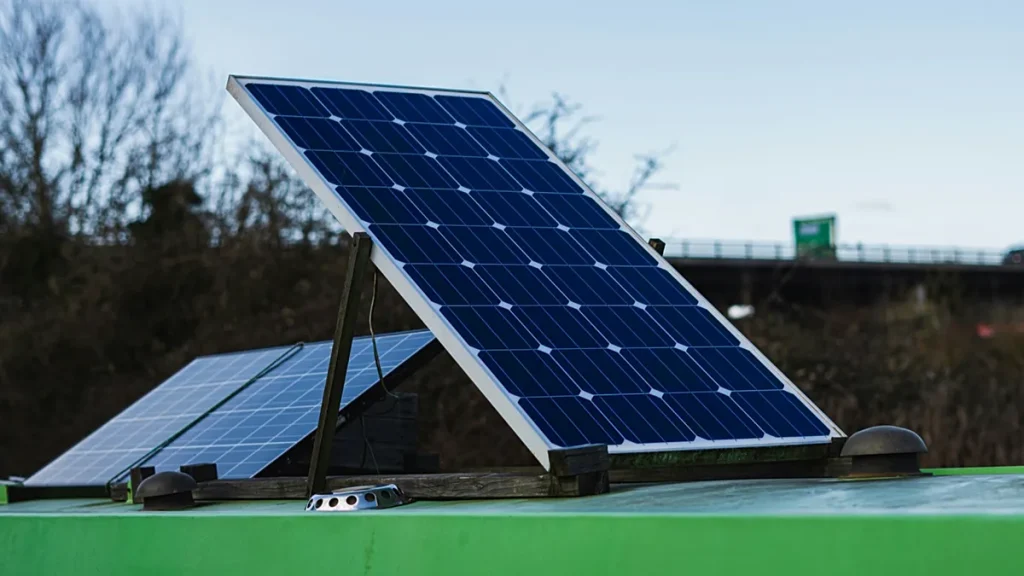
While traditional solar setups—such as rooftop installations and large-scale solar farms—dominate the energy landscape, a new alternative is gaining traction. Plug-in solar panels, which are compact and easy to attach to external surfaces like balconies, terraces, and shed roofs, have become a focal point of innovation. These devices are especially popular in Germany, where their affordability and convenience have made them a practical option for many households.
Unlike conventional solar systems that require professional installation, plug-in panels can be connected directly to a mains socket. This simplicity allows users to harness solar energy without the need for extensive setup. However, the power output of these panels is lower compared to traditional installations. In Germany, they are capped at a maximum inverter output of 800 watts, which is sufficient for basic appliances but not for high-energy devices like air fryers or air conditioners.
UK’s Energy Strategy
The United Kingdom has joined the ranks of countries exploring plug-in solar technology. Recent regulations now permit the sale of these devices in supermarkets, aiming to empower households to reduce their energy bills. Energy Secretary Ed Miliband has emphasized that this move is part of a broader effort to increase clean, domestic power production. By relying less on unstable fossil fuel markets, the UK hopes to enhance its energy sovereignty.
Plug-in solar panels in the UK are expected to cost between £400 and £500 per unit, translating to approximately €462 to €577. According to Natalie Mathie, an energy expert at Uswitch.com, each panel could save the average UK household between £70 and £110 annually. However, the return on investment may take time, as the savings vary depending on factors like appliance usage and local weather conditions.
“Household savings will differ per home and will also be determined by the panels’ output. Poor orientation, shade and unfortunate UK weather will all play a part in limiting how much power they can generate,” Mathie explains.
For optimal savings, users are advised to operate their appliances during peak sunlight hours. Plug-in solar systems are designed to prioritize direct use of generated electricity, rather than selling surplus to the grid. This makes them ideal for powering essential devices such as fridges, which require constant energy, and energy-efficient appliances like slow cookers. These gadgets typically use around 300 watts on average, depending on their size.
Challenges and Limitations
Despite their advantages, plug-in solar panels have limitations. Their lower wattage output means they may not fully replace traditional solar systems for households with high energy demands. For instance, a 1.4kW air fryer or a plug-in air conditioning unit, which can consume about 1kW, may require a more robust setup. This underscores the importance of assessing individual energy needs before investing in plug-in solar technology.
Additionally, the effectiveness of plug-in panels is influenced by external factors. Orientation plays a critical role, as panels positioned at an angle to capture maximum sunlight will generate more power. Shade from nearby structures or trees can also reduce their efficiency. The UK’s variable weather patterns further complicate matters, as cloudy days or low sun exposure can diminish the energy yield.
While plug-in solar offers a flexible and accessible option for many, it is not a universal solution. Its potential lies in complementing traditional solar systems, particularly for those who lack the means to install permanent panels. Homeowners in shared accommodations or renters can benefit from this innovation, as it avoids the upfront costs associated with traditional solar installations.
As the technology evolves, manufacturers are likely to improve the efficiency and output of plug-in solar panels. With the UK leading the charge in making these devices available to the public, the broader European market may follow suit. This shift could significantly impact energy consumption habits, encouraging more households to embrace renewable energy solutions.
Overall, plug-in solar panels represent a promising step toward sustainable energy use. While they may not fully replace traditional systems, they offer a practical alternative for many. By integrating solar power into everyday life, Europe can make strides in reducing its reliance on fossil fuels and promoting energy independence. The future of solar energy may depend on innovations that make it more accessible and efficient for all households.

