
Kyiv shuns Moscow’s ‘Victory Day truce’ asking for long-term ceasefire
Kyiv shuns Moscow’s ‘Victory Day truce’ asking for long-term ceasefire
Kyiv shuns Moscow s Victory Day truce – As the conflict between Ukraine and Russia intensifies, Kyiv has dismissed the Kremlin’s recent suggestion of a brief truce during Victory Day celebrations, opting instead to pursue a lasting ceasefire. Ukrainian President Volodymyr Zelenskyy has criticized the proposal as insufficient, arguing that it merely grants Moscow a few hours of respite for a military parade rather than addressing the broader need for peace. The initiative, floated by Russia after President Vladimir Putin spoke with US President Donald Trump, has not swayed Kyiv’s stance, which remains focused on securing a durable truce.
Kyiv’s Rejection of the Short-Term Ceasefire
Zelenskyy’s response, shared on social media platform X, underscores Kyiv’s skepticism about the truce. “We will clarify what exactly this is about — a few hours of security for a parade in Moscow or something more,” he wrote. This sentiment reflects Ukraine’s frustration with Russia’s attempts to frame the conflict as a temporary pause rather than a genuine effort to end the war. The Ukrainian leadership has instructed its negotiators to seek further clarification from the US side, indicating that they view the proposal as a strategic move by Moscow to maintain the momentum of its military campaign.
Despite the Kremlin’s insistence that the Victory Day truce is a genuine diplomatic effort, Kyiv remains unconvinced. The proposal, announced on Wednesday evening, came in the wake of Putin’s call with Trump, where the Russian leader reportedly proposed a temporary ceasefire. However, the initiative has been met with resistance from Ukrainian officials, who see it as a tactic to allow Moscow to showcase its military might during the holiday without committing to a comprehensive peace agreement. The timing of the truce, coinciding with a major military parade, has further fueled Kyiv’s perception that Russia is prioritizing symbolism over substance.
Victory Day as a Symbol of Russian Power
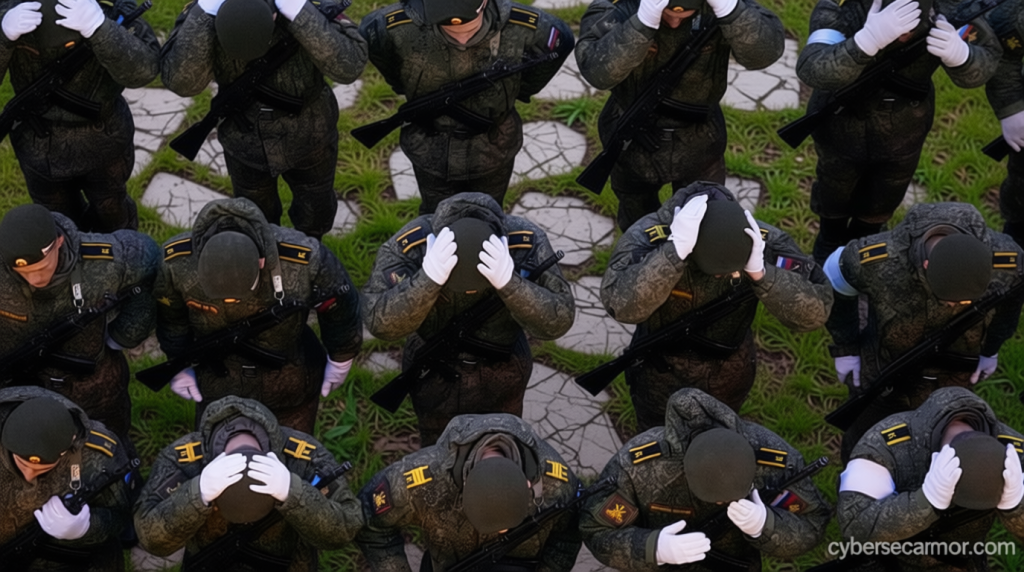
For Russian authorities, Victory Day holds profound symbolic weight. Celebrated on 9 May, the holiday marks the Soviet Union’s triumph over Nazi forces in World War II and has been transformed into a public spectacle of military strength under Putin’s leadership. The event, which showcases troops and parades, is now an opportunity for the Kremlin to assert its dominance in the ongoing war against Ukraine. However, this year’s ceremony has been scaled back due to the “current operational situation,” as stated by Putin’s press secretary, Dmitry Peskov. Military vehicles and cadets will not be featured in the parade, a decision that has raised questions about Russia’s readiness and the state of its war effort.
Peskov emphasized that all measures are being taken to minimize the risk of an attack during the parade, citing a “terrorist threat” from Ukraine as the reason for the scaled-down display. While the Kremlin claims this is a necessary precaution, analysts suggest it may also signal a strategic retreat. The reduced scale of the parade, compared to previous years, is seen as an indicator of Russia’s growing challenges on the battlefield. This includes shortages of personnel and equipment, which have been exacerbated by the prolonged conflict in Ukraine.
Rhetoric and Symbolism in the War
Russia has strategically woven the narratives of World War II into its current military campaign, using phrases like “special military operation” to mirror the “Great Patriotic War.” This linguistic maneuvering aims to elevate the invasion of Ukraine to the level of a historic struggle against fascism, aligning it with the Soviet Union’s legacy. Putin himself has repeatedly emphasized the role of the Soviet people in WWII, downplaying the contributions of Allied nations to the war effort. This rhetoric has gained traction among Russian troops, who now frequently reference slogans from the past, such as “We can do it again” or “We can repeat it,” reinforcing the idea that the conflict in Ukraine is a continuation of the Soviet victory.
The orange-black St George’s Ribbon, a symbol of WWII triumph, has evolved into a recognizable emblem of Russia’s invasion. Originally associated with the Soviet Union’s victory over Nazi Germany, the ribbon now represents support for the Kremlin’s war against Ukraine. This shift highlights how Russia is rebranding its actions in the conflict, using familiar imagery to legitimize its military operations. The symbolic alignment with WWII has also helped Moscow portray the war as a necessary and righteous endeavor, despite the lack of evidence backing its claims of “denazification” and “fighting fascism” as the primary goals of the invasion.
Ukraine’s Divergence from Soviet Legacy
In contrast to Russia’s embrace of WWII symbolism, Ukraine has sought to distance itself from the Soviet era. In 2023, Zelenskyy signed a law moving the country’s WWII remembrance to 8 May, aligning it with the rest of Europe. This change reflects Ukraine’s desire to redefine its historical narrative, separate from the Soviet Union’s portrayal of the war. Ukraine suffered some of the heaviest losses of any constituent republic during the Second World War, with estimated casualties ranging from 6 to 8 million people. These figures include both soldiers and civilians who perished in fighting, occupation, and Nazi extermination campaigns.
The shift in remembrance dates also symbolizes Ukraine’s move toward a more independent identity, free from the Soviet Union’s legacy. While Russia uses Victory Day to glorify its military might, Ukraine is focusing on honoring its own history and the sacrifices of its people. The term “pobedobesie,” used in Russian to describe the exaggerated celebrations of victory, further illustrates the contrast between the two nations’ approaches. Ukraine’s leaders see this as a step toward healing and reconciliation, rather than perpetuating a cycle of conflict.
Political Implications of the Truce Proposal
The Kremlin’s attempt to present a truce during Victory Day has also sparked political debates. By communicating the proposal only to the US administration, Moscow has excluded Kyiv from the initial discussions, raising concerns about transparency. Ukrainian officials accuse the Kremlin of leveraging the holiday to create a facade of peace while continuing its aggressive military strategy. This approach has been met with criticism, as it appears to prioritize public relations over meaningful dialogue with Ukraine.
Despite these criticisms, the proposal highlights the evolving dynamics of the conflict. With Russia having previously announced a short ceasefire for Easter in April, the Victory Day truce follows a pattern of temporary pauses that allow Moscow to regroup. However, Kyiv remains steadfast in its demand for a long-term ceasefire, arguing that such an agreement would provide reliable security for civilians and a foundation for lasting peace. As the war continues, the tension between symbolic gestures and concrete peace efforts will likely shape the future of the conflict.

