
Royal recruits boost volunteers as the Netherlands builds up its military reservists
Royal Recruits Boost Volunteers as the Netherlands Builds Up Its Military Reservists
Royal recruits boost volunteers as the Netherlands – The Dutch authorities have noted a marked increase in the enlistment of reserve military personnel, a trend that has accelerated following the recent participation of the nation’s monarch and her eldest daughter. The military is now racing to equip and train the growing number of new recruits, driven by a surge in interest that has caught officials off guard. This unexpected momentum has led to a series of logistical challenges, as the defense sector scrambles to meet the heightened demand for resources and training facilities.
February’s global attention on Queen Maxima, who was seen engaging in physical drills and handling a pistol at a shooting range, played a pivotal role in this shift. The royal endorsement, combined with widespread media campaigns, has not only inspired public participation but also positioned the monarchy as a key player in the country’s defense strategy. The Netherlands has since witnessed a flurry of applications, with the military working tirelessly to address the influx of new volunteers.
The Royal Influence and Military Momentum
State Secretary for Defence Derk Boswijk highlighted the unique impact of this royal involvement, referring to it as “the Amalia effect.” The term, which draws attention to Princess Catharina-Amalia, has become a symbol of national pride in the defense community. “We have more applications than we can handle,” Boswijk remarked. “The lack of training capacity, housing, and uniform distribution, along with the need for weapons and adequate space, creates significant challenges. However, it’s a luxury problem, as we’re actively working to resolve these issues.” The Netherlands currently boasts approximately 9,000 reserve military personnel, with recruiters aiming to reach a target of 20,000 by 2030. This expansion is part of a broader initiative to increase the total number of military personnel from 80,000 to 120,000 by 2035, a goal supported across the political spectrum.
Reservist Commitments and Roles
Reservists in the Netherlands are required to dedicate 300 hours annually to military duties, often involving weekend exercises and occasional deployments. While their primary role has historically focused on securing domestic sites and supporting local infrastructure, the evolving security landscape has expanded their responsibilities. For instance, they are now deployed to manage national emergencies, such as constructing sandbags during severe flooding. This adaptability underscores the growing importance of the reserve force in addressing both traditional and modern threats.
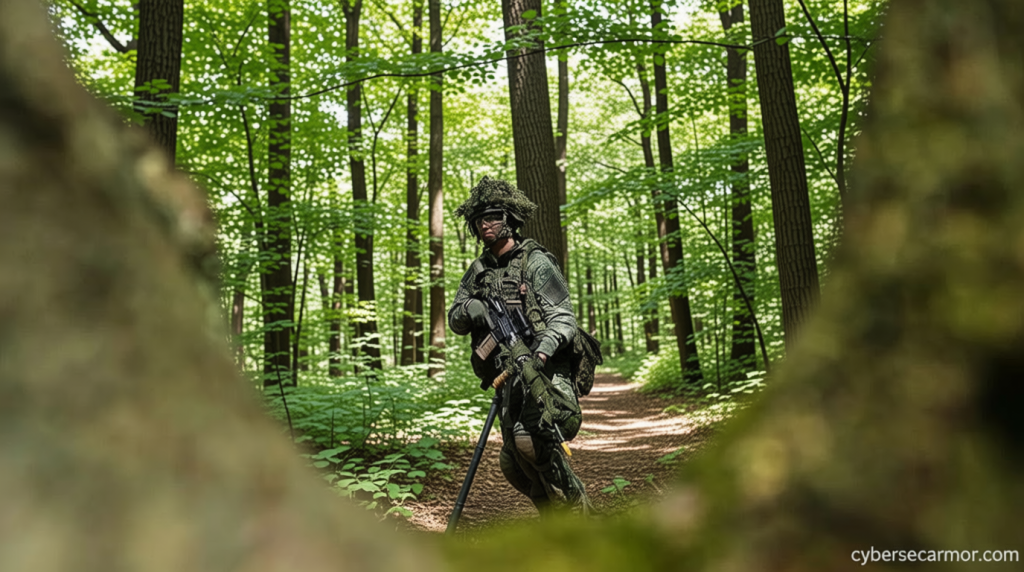
A corporal stationed in the reserve battalion of the 10th Infantry Battalion Guard Security Corps shared her observations about the changing dynamics of military service. “When I first joined, there was almost no risk or threat,” she recalled. “Now, it’s different. We’re more aware of the potential dangers, and that has shifted our mindset.” She emphasized the importance of readiness, noting that the troops are now prepared to defend the country against emerging threats. “Our role is to ensure the safety of our nation and to keep the threat at bay,” she added. The soldiers, clad in camouflage and armed with Colt C7 rifles, recently conducted an exercise in a forest, emerging stealthily as they scanned their surroundings for any signs of danger.
European Trends in Military Expansion
The recruitment drive reflects a broader European effort to modernize and expand armed forces. With the ongoing conflict in Ukraine representing the most severe war on the continent since World War II, NATO officials have intensified their focus on countering potential aggressors. This has prompted allied nations to prioritize the development of mobile, combat-ready forces capable of rapid deployment. The Netherlands’ efforts align with this strategy, as its military prepares for larger-scale operations and greater international commitments.
Despite the current reliance on voluntary enlistment, the Netherlands has not entirely abandoned its draft system. Call-ups were suspended in 1997, and there are no immediate plans to reintroduce mandatory service. Instead, the focus remains on encouraging voluntary participation through improved conditions and incentives. Germany, for example, is exploring similar measures, proposing better pay and flexible service terms for short-term recruits. The plan aims to attract sufficient volunteers without reviving conscription, which was paused for men in 2011. A lottery system would be used only if voluntary numbers fall short.
Voluntary Systems and Comparative Approaches
France is also investing heavily in voluntary recruitment, launching a program in September to enlist 3,000 individuals aged 18 to 25. These volunteers will serve in uniform for 10 months, primarily on the mainland and overseas territories. The initiative seeks to grow the annual volunteer count to 50,000 by 2035, mirroring the Netherlands’ strategic goals. Meanwhile, countries in northern and eastern Europe, such as Finland, Sweden, and Latvia, have retained elements of conscription. Finland maintains a draft for all male citizens, while Sweden introduced a gender-neutral partial service system in 2017. Latvia reinstated its draft in 2023 in response to Russia’s full-scale invasion of Ukraine.
The Netherlands’ approach stands out for its emphasis on public engagement and symbolic leadership. While some nations rely on compulsory service to bolster their ranks, the Dutch model prioritizes voluntary commitment, leveraging the influence of its royal family to inspire participation. This strategy has proven effective, as the number of applicants continues to rise. However, the challenge lies in scaling the infrastructure to support the increased demand. From training facilities to housing, every aspect of the reserve system is under pressure, yet officials view this as a sign of progress rather than a setback.
Boswijk’s remarks underscore the enthusiasm driving the recruitment surge, even as logistical hurdles persist. “We’re really working hard to fix these problems,” he said, highlighting the determination to meet the new challenges. The Netherlands’ military is not only expanding its reserves but also redefining its role in regional and global security. As European leaders remain vigilant against potential threats, the reserve forces are becoming an essential component of the continent’s defense strategy. This shift signals a new era of readiness, with the monarchy playing a central role in rallying public support and setting the tone for national preparedness.

