
This airline just launched Europe’s smallest free cabin allowance (and it’s not a budget carrier)
This airline just launched Europe’s smallest free cabin allowance (and it’s not a budget carrier)
This airline just launched Europe s smallest – In a surprising move, Lufthansa has unveiled an innovative economy option tailored for travelers prioritizing cost efficiency. The product, dubbed Economy Basic, caters to those who don’t require flexibility and are willing to forego extra amenities in exchange for lower fares. Ideal for day-trippers and business travelers, this offering is designed for individuals carrying minimal luggage, with a strict limit on the size of their personal items. Starting from April 2026, Economy Basic flights will be available for departures on 18 May and later, covering select short and medium haul routes operated by Lufthansa Group carriers.
What’s Included and What’s Not
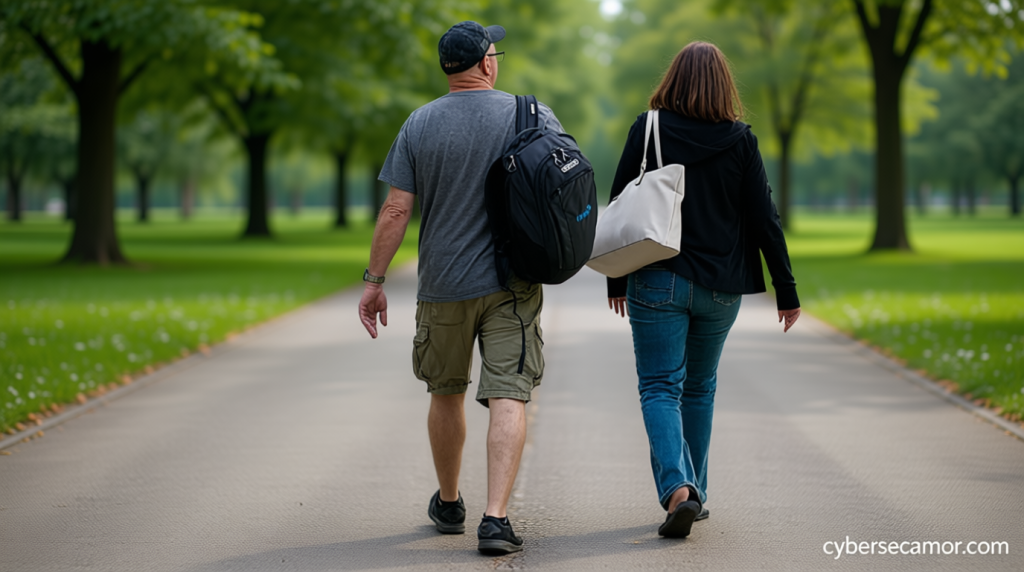
Lufthansa’s Economy Basic fare excludes carry-on bags, checked luggage, and seat reservations. However, these can be purchased as optional upgrades. The core benefit of this tier is one personal item, defined as a backpack or handbag, restricted to dimensions of 40 x 30 x 15 cm. This makes it the most restrictive free baggage allowance among European airlines, according to the company’s description. “The Economy Basic fare is the ideal choice if you’re traveling only with one personal item and know when you plan to fly, as tickets cannot be rebooked and are excluded from refunds,” the airline stated in its announcement.
While Lufthansa’s policy is notably stringent, other carriers in Europe have similar—but not identical—approaches. Ryanair, for instance, includes one small personal bag in its standard fares, with a maximum size of 40 x 30 x 20 cm. Any additional luggage must be paid for, whether carried on board or checked. Wizz Air operates under a comparable model, offering one small personal item for free alongside optional upgrades for extra bags. In December 2025, Wizz Air introduced a premium service on select routes, such as London, Rome, and Budapest, which added two cabin bags to the base fare and included complimentary snacks and non-alcoholic drinks. This shift highlights the growing trend of airlines experimenting with tiered offerings to cater to different passenger needs.
The EU’s Potential Impact on Baggage Policies
The European Union has been actively shaping passenger rights, with recent legislative moves aimed at standardizing baggage allowances. As of January 2026, Members of the European Parliament overwhelmingly supported a proposal to mandate one personal item and one small piece of hand luggage for free as part of base airfares. This would set a uniform standard across the bloc, ensuring all travelers receive a minimum level of baggage flexibility regardless of the airline. According to the EU press release, the proposed rule specifies that personal items should not exceed 100 cm in combined length, width, and height, while the hand luggage limit is capped at seven kilograms.
Despite this push for consistency, the current baggage allowances remain at the discretion of individual airlines. For example, British Airways’ Euro Traveller flights include a handbag allowance of 40 x 30 x 15 cm, but passengers are also permitted a larger cabin bag of 56 x 45 x 25 cm. This option, which fits overhead compartments, is available for free on certain routes, such as flights to Malaga starting at £49 (€56.57). EasyJet, meanwhile, offers a standard cabin bag limit of 45 x 36 x 20 cm, with seat reservations and checked luggage available as add-ons. These variations underscore the ongoing debate between cost-saving measures and passenger convenience.
Industry Reactions to the EU Proposal
The EU’s proposed changes have sparked mixed reactions from airline executives. Kenton Jarvis, CEO of easyJet, criticized the initiative as “terrible for the consumer,” arguing that it could disrupt operational efficiency. He pointed out that his airline’s cabin space can only accommodate the bags of approximately two-thirds of passengers, citing the potential for overcrowding and delays. “There just isn’t the space in the cabin, so that’s another lunatic idea,” Jarvis remarked. “We would go back to the days of having to offload cabin bags and put them in the hold—this was one of the number one causes of delayed boarding in the old days.”
While some airlines may resist the EU’s mandate, others could see it as an opportunity to streamline their offerings. For example, if the rule is implemented, Lufthansa might face pressure to expand its Economy Basic allowance or introduce a premium tier with more flexibility. Similarly, British Airways and easyJet could adjust their policies to align with the new regulations, potentially impacting their pricing strategies. However, the success of such a policy would depend on the cooperation of EU member states, as the final approval requires consensus. If the Parliament’s text is not adopted, a special committee will be tasked with negotiating a compromise.
Passenger Implications and Future Outlook
For travelers, the EU’s proposal represents a potential shift toward greater equity in baggage allowances. Currently, passengers on budget carriers like Ryanair and Wizz Air often face tighter restrictions, whereas full-service airlines such as British Airways offer more leniency. However, Lufthansa’s Economy Basic model suggests that even traditional carriers are willing to test the boundaries of affordability. The airline’s approach may appeal to budget-conscious travelers, particularly those with minimal luggage, but it could also alienate those who rely on additional carry-on space for comfort or convenience.
The broader implications of the EU’s stance on baggage policies extend beyond individual airlines. If the new rules are enacted, it could force carriers to reevaluate their pricing models and allocate more space for luggage, potentially increasing operational costs. This might lead to higher base fares or additional fees for optional upgrades. On the other hand, the proposal could reduce the frustration of passengers who are often overcharged for basic luggage allowances, especially on short-haul flights where space is at a premium.
As the EU legal procedures near completion, the aviation industry remains under scrutiny. While some airlines may push back against the changes, others could adapt their offerings to meet the new standards. The outcome of this debate will likely shape the future of air travel in Europe, balancing the need for cost efficiency with the practical realities of cabin space and passenger expectations. For now, Lufthansa’s Economy Basic fare stands as a bold experiment, challenging the notion that baggage allowances are a fixed standard in the airline industry.

