
Ecological summit achieves historic environmental pact and secures €2 billion for green transition
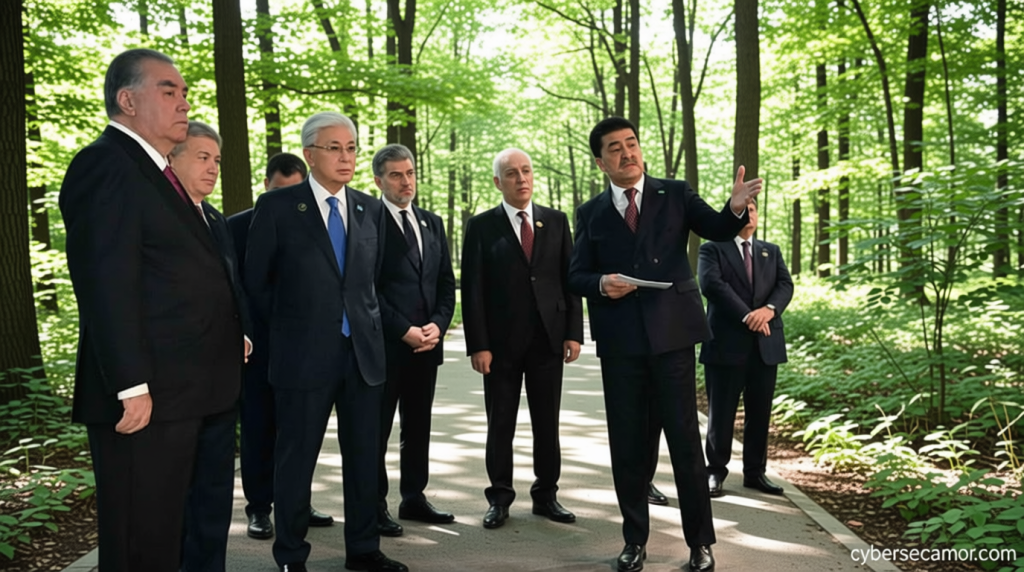
Ecological Summit Secures €2 Billion for Green Transition
Ecological summit achieves historic environmental pact – The Ecological summit achieves historic environmental pact, marking a pivotal moment in Central Asia’s commitment to sustainability. Hosted in Astana, the three-day gathering brought together leaders from Kazakhstan, Uzbekistan, Kyrgyzstan, Turkmenistan, and Tajikistan to finalize a landmark declaration titled “Environmental Solidarity of Central Asia.” This agreement, signed by regional heads of state, establishes a unified framework for tackling shared ecological challenges, shifting from isolated actions to collective strategies. The summit’s outcome includes a significant financial commitment of €2 billion to fund green initiatives, demonstrating a shared determination to prioritize environmental resilience over economic short-term gains.
Regional Cooperation and Shared Vision
President Kassym-Jomart Tokayev, the summit’s chief architect, framed environmental collaboration as a cornerstone of regional unity. In his opening address, he asserted, “Environmental cooperation must serve as a reliable instrument of unity — not a tool for division.” This philosophy guided discussions, fostering a spirit of partnership and trust among participants. The summit was first proposed during the 78th session of the United Nations General Assembly in 2023, and its execution after three years of preparation highlights Central Asia’s evolving diplomatic priorities.
Simultaneously, the Central Asia Climate Change Conference provided a platform to align regional climate goals with global frameworks like COP. Yerlik Karazhan of the Central Asia Climate Foundation noted the summit’s timing, emphasizing its role in reflecting on recent COP achievements in Brazil and preparing for the upcoming COP in Turkey. This parallel event allowed delegates to address specific regional concerns while embedding them into international climate discourse, ensuring a cohesive approach to multilateral environmental processes.
Key Initiatives and Financial Allocation
A major breakthrough at the summit was the endorsement of Tokayev’s proposal for an international water organization under the UN. This initiative targets transboundary water management, aiming to resolve disputes and combat scarcity. Leaders also approved the creation of an international biodiversity fund, which will support conservation efforts across the region. The Caspian Sea, a critical ecological zone, was designated for a specialized program to protect its fragile ecosystems and promote sustainable development.
The summit’s declaration includes a binding commitment to establish the International Day of Greening the Planet, a global observance to amplify environmental awareness. Additionally, the Central Asia Project Office platform in Almaty was launched to coordinate ongoing climate action and green energy projects. This hub is designed to enhance transparency and collaboration, ensuring that regional efforts align with global sustainability targets.
A five-year environmental action plan was unveiled, co-developed with the United Nations. It features a joint climate investment portfolio to finance renewable energy and conservation projects, alongside a regional Environmental Performance Review to assess progress. The plan also introduces nature-based solutions and a circular economy partnership, with the “Green School” platform aiming to cultivate future leaders in environmental stewardship through education and innovation.
Challenges and Long-Term Goals
While the summit’s outcomes are promising, regional leaders acknowledged the need for sustained effort to achieve long-term ecological stability. President Tokayev reiterated the importance of water security, citing the Aral Sea’s collapse as a cautionary tale. He emphasized that science-driven policies could reverse such damage, urging nations to adopt coordinated strategies for resource management. The summit’s success depends on consistent implementation and cross-border collaboration, particularly in addressing land degradation and chemical safety.
Water security remains a critical priority for Central Asia, with the Aral Sea’s shrinkage serving as a stark reminder of the consequences of mismanaged resources. The summit’s financial allocations and policy frameworks aim to prevent similar crises by promoting equitable water distribution and sustainable practices. As the region moves forward, the focus keyword “Ecological summit achieves historic environmental” will guide efforts to integrate green transition into national development plans, ensuring lasting environmental and economic benefits.

