Companies are seeking billions in tariff refunds. Will you see a dime?

Companies Are Seeking Billions in Tariff Refunds. Will You See a Dime?
Supreme Court Ruling Opens Path for Corporate Refunds
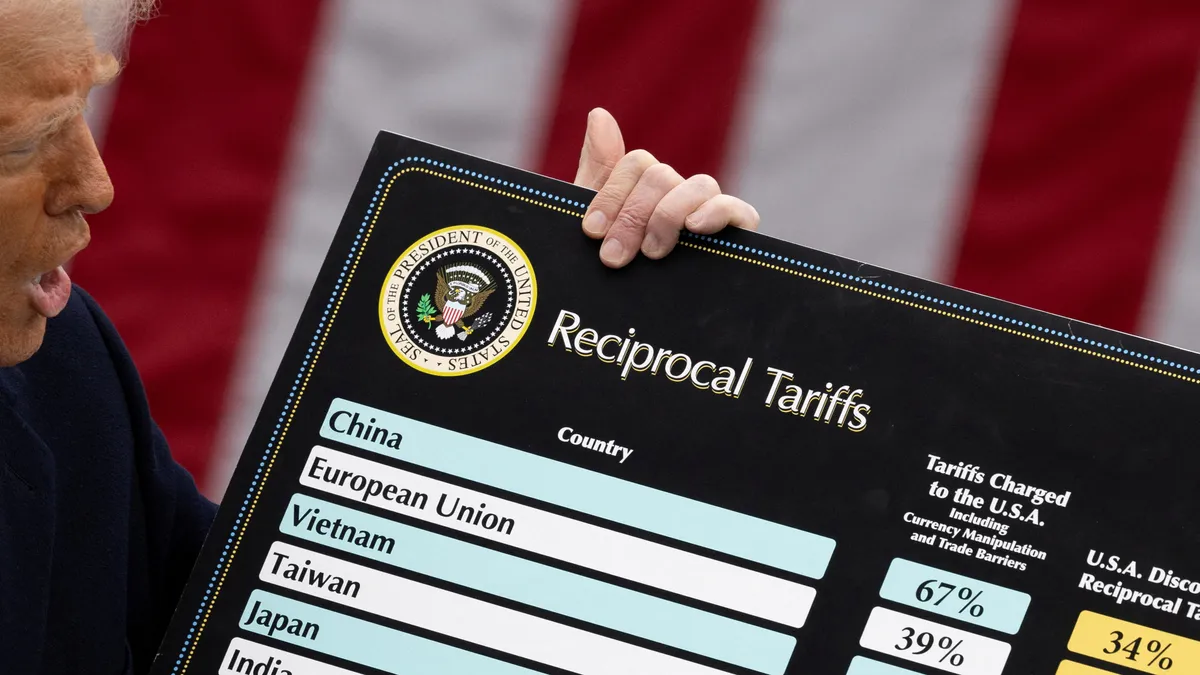
Cybersecarmor.com – The U.S. government has initiated the process of returning over $166 billion in tariff refunds to businesses, following a landmark decision by the Supreme Court. This ruling invalidated tariffs imposed under President Donald Trump’s International Emergency Economic Powers Act, or IEEPA, allowing companies to reclaim funds paid as duties on imported goods. While the potential for refunds has sparked discussions about how the money will be used, most businesses have not committed to passing it directly to consumers.
As part of the refund process, U.S. Customs and Border Protection has begun processing claims, providing a clearer picture of the financial landscape. A detailed analysis by USA TODAY reviewed more than 630 Securities and Exchange Commission filings, revealing that at least 90 publicly traded companies have outlined plans to seek the refunds. This marks the most comprehensive accounting yet of how corporations are positioning themselves to reclaim billions from the government.
Major Corporations Eye Significant Refunds
Among the leading companies, Ford, General Motors, and UPS have highlighted their expected recoveries. Ford’s filings indicate a potential $1.3 billion refund, while General Motors and UPS are projected to receive $500 million each. UPS has taken a step further, announcing its intention to return some of the funds to customers within 60 to 90 days of receiving them from Customs and Border Protection. The company’s website states, “UPS will disburse refunds 60-90 [days] after we receive the funds from CBP,” offering a direct link to consumer benefits.
Other businesses, however, have not specified their plans for the money. Many are using the refunds to address existing financial obligations, such as paying off debts or reducing supply chain expenses. Some have also mentioned reinvesting the funds back into their operations to enhance competitiveness. This approach leaves consumers uncertain about the final impact of the refunds on their daily lives.
Consumer Impact Remains Uncertain
Alfredo Carrillo Obregon, a policy analyst at the Cato Institute, emphasized that companies will decide whether to pass on the refunds to consumers based on their own discretion or external pressures. “Companies will pass down the tariff refund to consumers only if they decide to do so, or if they’re forced to by a court,” he noted. This suggests that while some businesses, like UPS, have outlined plans to return funds, the broader trend is one of retention for internal use.
Take Cardinal Health, a major player in medical supply distribution, which previously passed on $200 million in tariffs to its customers. Now, the company has stated in SEC filings that it will return any portion of the refund linked to price hikes during the tariff period. However, the recipients of these cost reductions are primarily businesses, such as hospitals and pharmacies, rather than individual consumers. This indirect route raises questions about whether the savings will eventually trickle down to everyday shoppers.
Similarly, FedEx has expressed its commitment to returning the funds to customers, though it has not disclosed the exact amount. The company’s communications advisor, Amelia Ables, stated, “As the U.S. government issues IEEPA tariff refunds to FedEx, we are fully committed to refunding any applicable duties including the interest received from Customs and Border Protection.” Despite this pledge, it remains unclear how the refunds will translate into tangible benefits for the general public.
Legal Battles and Indirect Benefits
While the refund process is underway, some consumers have taken matters into their own hands by filing lawsuits against importing companies. For example, Costco and Nike are currently facing legal challenges from individuals and organizations seeking to recover costs passed on through tariffs. These cases highlight the growing frustration among consumers who feel the financial burden of trade policies should be shared more equitably.
Even without explicit refunds, some companies plan to leverage the funds indirectly. On a recent earnings call, Walmart’s chief financial officer, John David Rainey, mentioned the company’s strategy to invest the refund in lowering prices for customers. “We are availing ourselves of the process to get refunds. We would definitely bias and try to prioritize price investment for that, given what we’ve seen, both in terms of the pressure on consumers from fuel prices,” Rainey explained. This approach aims to ease the financial strain on shoppers by reducing the cost of goods.
Despite these efforts, the broader picture suggests that U.S. consumers are unlikely to see a significant portion of the $166 billion in refunds. Earlier, President Trump had proposed using tariff revenue to distribute $2,000 checks to Americans, but those ideas were never fully realized. The current scenario reflects a shift in focus, with companies prioritizing their own financial stability over direct consumer relief.
Experts like Ted Murphy, a partner at Sidley Austin, note that the distribution of tariff expenses varies widely among importers. “What any importer did with that tariff expense varies dramatically. Some companies may have just eaten the tariff expense. Other companies may have passed it on to their customers,” he observed. This flexibility allows businesses to allocate funds strategically, but it also means that consumer gains depend on the specific actions of each company.
With the refund process in motion, the question remains: Will the billions in reclaimed money ultimately benefit the average American? While some companies have outlined plans for customer refunds, the path to widespread consumer relief is complex. Legal challenges, strategic investments, and internal financial needs all play a role in determining how the funds are distributed. For now, the U.S. public watches closely as corporations navigate this new financial landscape, hoping for tangible results from the government’s decision to reverse the tariffs.