
Man accused of spying for Russia arrested in Berlin, prosecutors say
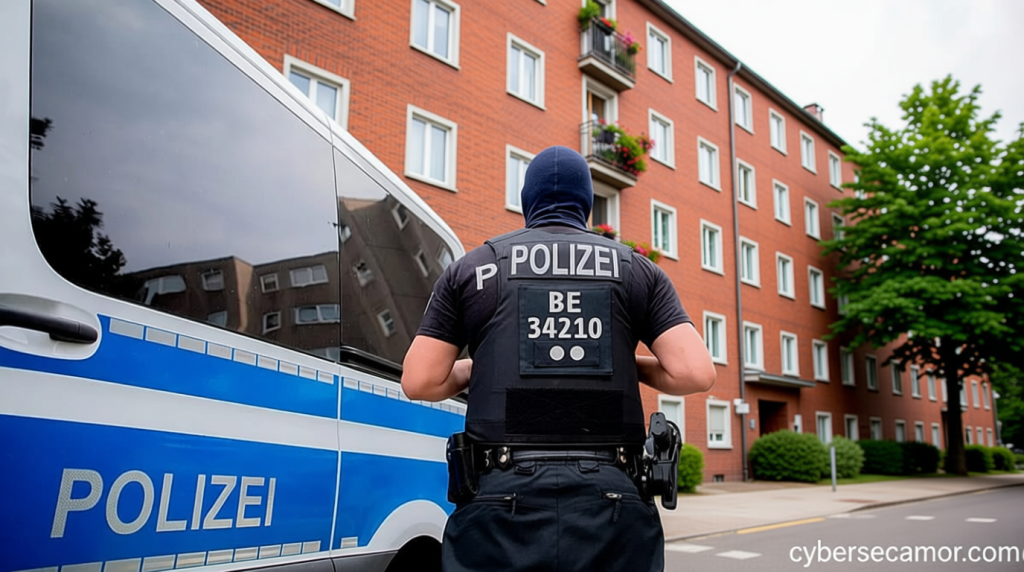
Man Suspected of Collaborating with Russian Intelligence Arrested in Berlin
Man accused of spying for Russia – German authorities have detained a man on charges of potentially working with Russian intelligence, marking another instance of alleged espionage linked to Moscow. The individual, identified as Sergej K., was apprehended on Tuesday and is set to appear before a judge on Wednesday, according to the Federal Prosecutor’s Office. The arrest comes amid heightened concerns over Russian influence operations within Germany, which has been a pivotal supporter of Ukraine’s military efforts since the invasion began in 2022.
Spreading Disinformation and Targeting Critical Infrastructure
The suspect is alleged to have shared classified data with his Russian handler, including intelligence about German military aid dispatched to Ukraine. Additionally, he reportedly provided photographs of NATO military movements along major highways and pinpointed potential sites for sabotage. These activities suggest a coordinated effort to weaken Germany’s strategic position in the conflict, possibly by disrupting supply chains or targeting key installations.
“The individual had been maintaining communication with a Russian intelligence service from within Germany since at least May of last year,” the prosecutors stated. “He is also accused of transmitting information on the development of drone and robotics technology by German defence firms, as well as supplying images of public buildings in Berlin to his handler.”
Authorities have highlighted the growing number of suspected espionage and sabotage cases linked to Russia, emphasizing that Germany has taken a proactive stance in uncovering these threats. The country’s intelligence agencies have been actively monitoring networks connected to Moscow, particularly since the full-scale invasion of Ukraine. This case adds to a list of over a hundred alleged plots discovered so far, with each incident revealing a more complex web of collaboration and infiltration.
Expanding the Scope of Russian Espionage Tactics
Sergej K., reportedly a citizen of Kazakhstan, is believed to have operated as a “disposable” agent—recruited for short-term missions without formal training. His role included identifying targets for sabotage, which could range from industrial facilities to government offices. Such agents are often motivated by financial incentives, with the promise of small payments encouraging them to act as intermediaries for Russian intelligence.
The case underscores the evolving methods used by Russian operatives to gather information. While traditional espionage involves long-term infiltration, the use of disposable agents reflects a shift toward rapid, low-risk operations. This approach allows Russia to maintain a presence in Germany without establishing a formal network, making it easier to conceal their activities.
Phishing Attacks and Digital Espionage
Recent weeks have seen Berlin accuse Moscow of orchestrating cyberattacks targeting lawmakers and senior officials via the Signal messaging app. These phishing campaigns were designed to extract sensitive data, including diplomatic communications and strategic plans. The latest arrest in Berlin is part of a broader investigation into these digital operations, which have increasingly become a tool for Russian intelligence to undermine European allies.
German police have also arrested several individuals linked to such cyber operations. These agents, often recruited through online platforms, are tasked with gathering information under the guise of everyday activities. Their lack of formal training makes them harder to detect, as they blend seamlessly into the target society while carrying out missions for Moscow.
Strategic Importance of German Military Aid
The suspect’s alleged actions highlight the strategic value of German military contributions to Ukraine. By providing insights into the flow of weapons and equipment, he may have helped Russia assess the effectiveness of its adversaries’ capabilities. This could influence future operations, including the deployment of NATO forces in the region. German officials have stressed that the country remains committed to its support for Ukraine, despite the risks posed by espionage activities.
Prosecutors have not yet confirmed whether the suspect successfully recruited others to assist in his mission. However, his willingness to identify potential agents suggests a network of collaborators extending beyond his individual role. This case also raises questions about the extent of Russian influence in Germany, particularly in sectors related to defence and technology.
International Response and Continued Vigilance
While Moscow has consistently denied involvement in these plots, the latest arrest has intensified scrutiny of its activities in Europe. German officials have pointed to the persistence of Russian-backed efforts to spread disinformation and destabilize the region. The case in Berlin is seen as a critical moment in the ongoing battle against espionage, with authorities vowing to pursue further investigations.
The Federal Prosecutor’s Office has emphasized the importance of international cooperation in combating such threats. With the war in Ukraine entering its fourth year, the need to secure information flows has become more urgent. The arrest of Sergej K. is not only a testament to Germany’s investigative capabilities but also a warning to other European nations about the risks of Russian intelligence operations.
As the investigation unfolds, the focus will likely shift to understanding the full scope of the suspect’s activities and identifying any additional networks. The case may also serve as a catalyst for increased funding and resources allocated to counterintelligence efforts in Germany. With the threat of espionage growing, officials are urging the public to remain vigilant, particularly in light of the sophisticated tactics employed by Russian agents.
Despite the challenges, German authorities have maintained a steady pace in dismantling Russian influence. The arrest of Sergej K. and others demonstrates the effectiveness of targeted operations in uncovering hidden connections. However, the fight against espionage is far from over, as Russia continues to adapt its strategies to exploit vulnerabilities in allied nations.
Experts suggest that the use of disposable agents is part of a broader trend in modern espionage, where speed and secrecy are prioritized. This method allows Russia to deploy operatives quickly and withdraw them before detection. The case in Berlin exemplifies this strategy, with the suspect operating as a frontline agent while maintaining a low profile.
In summary, the arrest of Sergej K. represents a significant development in the fight against Russian espionage in Germany. His alleged activities, from sharing military data to identifying sabotage targets, illustrate the multifaceted nature of the threat. As the investigation continues, the case may provide valuable insights into the evolving tactics of Russian intelligence and its reach across Europe.

