
Italy says it has filed to be civil party in probe into Swiss bar fire that killed 41
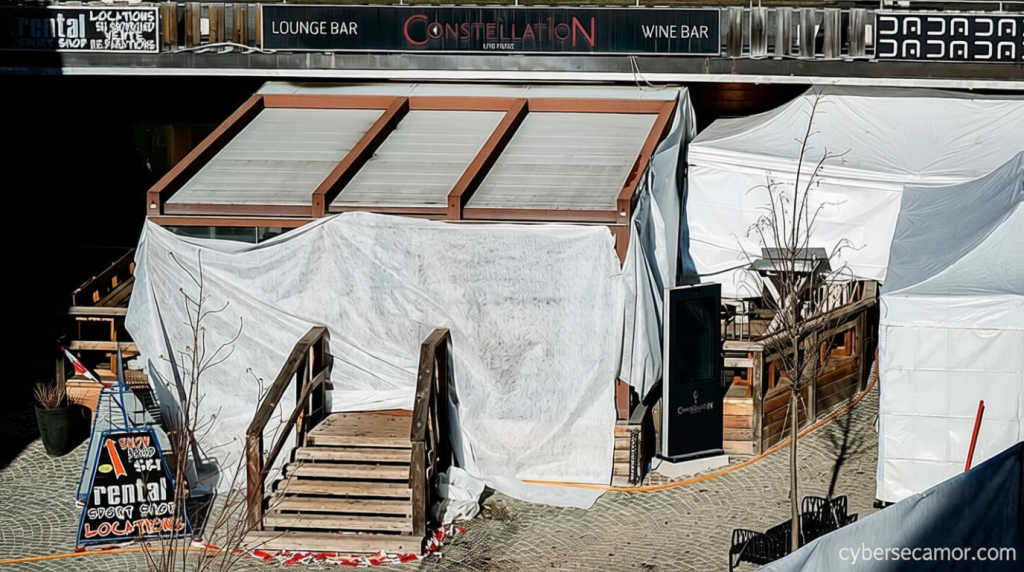
Italy Files as Civil Party in Swiss Bar Fire Tragedy
Italy says it has filed to be – On Wednesday, the Italian government announced its decision to act as a civil party in the ongoing criminal investigation into a catastrophic fire that struck a bar in Switzerland. The incident, which resulted in the deaths of 41 individuals, including six Italian nationals, has drawn significant attention from Rome as it seeks to hold those responsible accountable. The government’s move was justified by the “substantial resources” dedicated to “medical, psychological and logistical assistance to the Italian nationals involved,” according to a statement released by officials.
The blaze, which erupted on the early morning of January 1st, claimed lives and injured dozens in a matter of minutes. Le Constellation, a bar located in the upscale Alpine resort, was the scene of the disaster. The fire originated in the basement level when champagne bottles equipped with sparklers were positioned too near the ceiling, triggering a chain reaction that ignited the sound-insulation foam. This seemingly small detail led to a devastating outcome, with most of the victims being teenagers and over a hundred people requiring medical attention in the aftermath.
Italian Prime Minister Giorgia Meloni has consistently emphasized the need for justice for Italian victims, while maintaining that Italy will conduct its own parallel investigation. The Swiss legal proceedings are currently examining the negligence of the bar’s owners, Jacques and Jessica Moretti, who face charges of manslaughter, bodily harm, and arson. Their actions have been scrutinized as the prosecutors delve deeper into the circumstances surrounding the fire. The duo has already been questioned twice by Swiss public prosecutors and legal representatives of the civil parties involved.
Swiss Inquiry and Safety Concerns
The Swiss investigation has revealed critical safety lapses, particularly the absence of annual safety checks at the bar since 2019. This omission has raised questions about the thoroughness of the venue’s maintenance protocols. In a statement, the Italian government highlighted the “high probability” that local authorities played a role in the incident’s development, citing this as a key factor in its demand for compensation. The claim underscores the need for transparency and accountability across both national and regional levels.
Italy’s commitment to supporting the victims’ families remains unwavering. The government has expressed its “full and uninterrupted support” for those affected, even as it continues to monitor the Swiss legal process. This dual approach—engaging in both criminal and civil inquiries—aims to ensure that all parties involved are held to the highest standards of responsibility. The Italian legal team is working closely with Swiss authorities to gather evidence and build a case that will protect the interests of the families and the national community.
Earlier in April, Meloni issued a pointed critique of a Swiss hospital for allegedly imposing excessive charges on the families of victims. “I spoke with our ambassador: the Swiss authorities have assured us that it was a mistake, and that the families will not have to pay anything,” she wrote in a post on X. “But I asked the ambassador to maintain the highest level of attention to this issue, because it would be abhorrent for costs like these to fall on the victims or on Italy.” Her remarks reflect a broader concern about the financial burden being placed on those already grieving the loss of loved ones.
“I spoke with our ambassador: the Swiss authorities have assured us that it was a mistake, and that the families will not have to pay anything,” Meloni wrote in a post on X. “But I asked the ambassador to maintain the highest level of attention to this issue, because it would be abhorrent for costs like these to fall on the victims or on Italy.”
Additionally, Meloni criticized a hospital in Sion for requesting €70,000 from families whose loved ones were hospitalized for just a few hours. She described this as “an insult on top of a mockery,” highlighting the emotional and financial strain on the victims’ families. The incident has intensified the scrutiny on Swiss institutions, not only for their role in the fire but also for their response to the aftermath.
Collaboration and Legal Implications
The Italian government has maintained that its involvement in the Swiss case is essential to securing justice for its citizens. This decision has sparked discussions about the importance of international legal cooperation in cases of cross-border tragedies. The prosecution in Italy is focusing on the civil liability of the bar’s owners, who are accused of failing to implement necessary safety measures. These charges are expected to be part of a larger legal framework that could lead to significant compensation for the families of the deceased.
Meanwhile, the Swiss investigation continues to uncover new details about the fire’s origin and the steps that could have prevented it. The absence of regular safety inspections has been identified as a major oversight, contributing to the severity of the disaster. This finding has bolstered Italy’s argument that the bar’s management and local authorities share a responsibility for the incident. As the legal process unfolds, both nations are working to ensure that the victims are not left without recourse or compensation.
The aftermath of the fire has also prompted a reevaluation of safety standards in Alpine resorts. With the Swiss probe highlighting the importance of routine maintenance, Italy is leveraging its own investigation to advocate for stricter regulations. The government’s focus on accountability is not just about the immediate victims but also about preventing future tragedies. This collaborative effort aims to create a comprehensive understanding of the incident and its broader implications for public safety.
As the case progresses, the Italian government remains vigilant, ensuring that all parties involved are held to account. The civil claim, supported by the substantial resources allocated, is a testament to the nation’s commitment to supporting its citizens abroad. This proactive stance signals a willingness to take legal action when necessary, reinforcing the importance of justice in the face of tragedy. The outcome of the Swiss proceedings could set a precedent for how such incidents are addressed in the future, both within Switzerland and across international borders.

