
Gulf unity on display in Jeddah, but absences and signals reveal limits to coordination
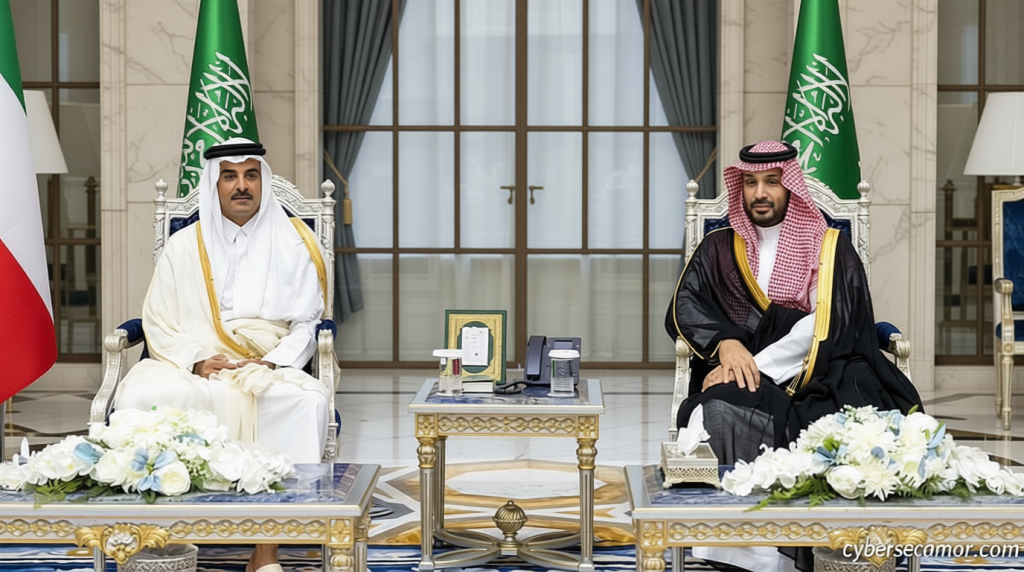
Gulf Unity Shown in Jeddah, But Coordination Limits Emerge
Gulf unity on display in Jeddah – The Gulf Cooperation Council (GCC) gathered in Jeddah for its first in-person summit since the Iran war escalated, showcasing the bloc’s efforts to present a unified front. Yet, the event also revealed underlying challenges in maintaining consistent collaboration, as some members stayed away or signaled hesitation in key decisions. Hosted by Saudi Crown Prince Mohammed bin Salman, the summit emphasized regional solidarity, though the absence of certain leaders and the ambiguity in shared goals hinted at the limitations of their collective strategy.
Symbolic Reconciliation and Strategic Messaging
The summit opened with a display of reconciliation, as Saudi and Qatari officials extended warm greetings, signaling a return to cooperation after years of discord. This gesture, exceeding typical diplomatic formalities, underscored the significance of restoring trust among Gulf nations. However, the broader message of unity was tempered by the UAE’s absence from the event, with its foreign minister representing the country instead of the president, highlighting the uneven commitment across the bloc.
While the gathering focused on dialogue, the outcomes remained cautious, reflecting the GCC’s struggle to balance immediate security needs with long-term strategic objectives. Qatar’s Emir, Tamim bin Hamad Al Thani, emphasized the importance of sustained cooperation, but his remarks also hinted at lingering doubts about the bloc’s ability to resolve internal disagreements. The summit’s emphasis on diplomatic communication rather than binding commitments suggested a preference for consensus over decisive action.
Challenges in Collective Action
Leaders expressed concerns over the GCC’s ability to act as a cohesive unit, with the UAE’s Foreign Minister Abdullah bin Zayed Al Nahyan voicing frustrations about the bloc’s inconsistent response to Iran’s aggressive tactics. Anwar Gargash, a senior Emirati official, criticized the group’s political and military stance as “the weakest in its history,” indicating a loss of confidence in the coalition’s strength. Oman’s non-participation further underscored the fragility of regional unity, raising questions about the bloc’s operational effectiveness.
“The bloc’s political and military stance is the weakest in its history,” Anwar Gargash remarked, highlighting the UAE’s unease with the GCC’s approach to the Iran conflict.
Despite these tensions, the summit served as a platform for reaffirming shared interests, particularly in countering Iran’s influence and securing regional stability. Saudi Arabia’s leadership in the meeting reflected its desire to reassert dominance, while Qatar’s mediation role hinted at a more flexible strategy. However, the absence of clear, unified policies suggested that the GCC’s coordination remains a work in progress, with each member pursuing its own priorities.
Security Priorities and Diplomatic Dilemmas
Iran’s persistent missile and drone attacks on Gulf energy infrastructure and civilian targets had intensified the need for a unified response. The summit’s agenda, however, avoided concrete military alliances, instead prioritizing diplomatic negotiations and the restoration of the Strait of Hormuz as a key objective. This approach aimed to mitigate economic risks while maintaining a non-confrontational stance, though some members questioned its sufficiency in addressing the immediate threat.
Qatar’s Emir, Tamim bin Hamad Al Thani, warned against prolonging “frozen conflicts,” emphasizing the urgency of resolving disputes before they escalate further. His remarks reflected Qatar’s desire to act as a mediator, even as its own concerns about internal rivalries persisted. Meanwhile, Saudi Arabia’s emphasis on securing energy supply chains underscored the economic stakes driving the summit, with leaders seeking to balance security with economic stability.
Broader Implications for Regional Alliances
The GCC’s current efforts to project unity highlight the interplay between its security ties with the United States and its diplomatic engagement with Iran. While the U.S. remains a critical ally, the Gulf states are navigating a complex landscape, aiming to avoid overreliance on Washington while addressing Iran’s threats. This balancing act is evident in the bloc’s cautious approach to military commitments and its focus on economic diplomacy as a tool for stability.
As the summit concluded, the focus keyword “Gulf unity on display in Jeddah” encapsulated both the successes and shortcomings of the gathering. The meeting offered a glimpse of collaboration, but the lingering absences and hesitant signals indicated that true coordination may still be some time away. The path to stronger regional unity remains challenging, with each nation weighing its own interests against the collective good.

