
Ukraine says it will open arms exports with ‘Drone Deals,’ but not to all countries
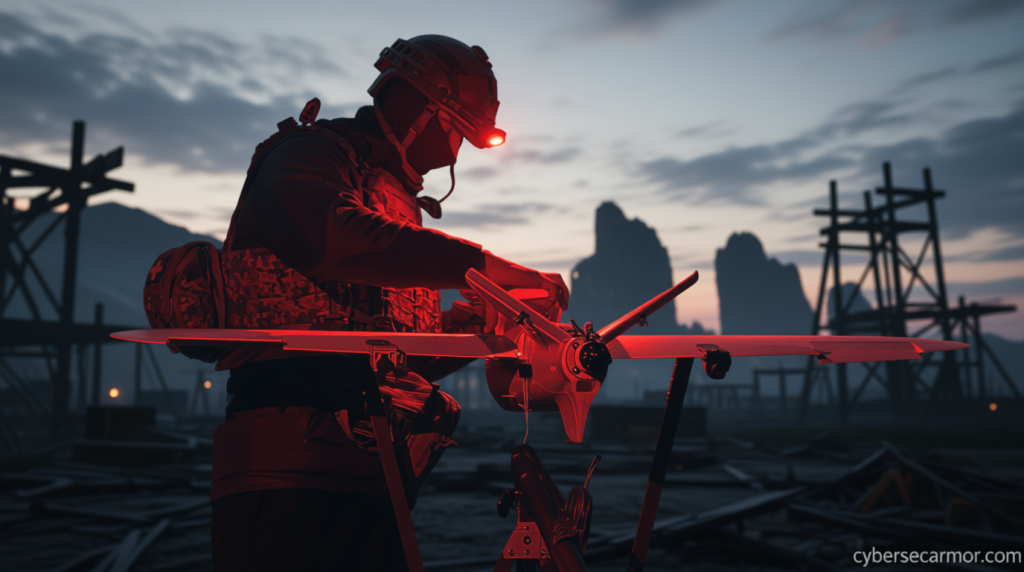
Ukraine Opens Arms Exports via Drone Deals, Excluding Pro-Russia Nations
Ukraine says it will open arms exports through a new strategy involving “Drone Deals,” which aim to enhance the nation’s defense capabilities while ensuring strategic partnerships. In a recent statement, President Volodymyr Zelenskyy confirmed that Ukraine is preparing to sell military equipment, including drones and missiles, to international buyers. This initiative, which the president described as a “vital step” for Ukraine’s security, is expected to generate significant revenue and strengthen alliances with countries that have supported the nation since the Russian invasion began in 2022. “We are now able to offer our weapons systems to those who share our vision of countering aggression,” Zelenskyy stated, emphasizing the importance of mutual cooperation.
Streamlining Export Processes with Drone Deals
Zelenskyy outlined that the “Drone Deals” will be facilitated through simplified bureaucratic procedures, allowing Ukrainian arms manufacturers to access global markets more efficiently. These agreements are not only about the sale of equipment but also involve the transfer of technical expertise and collaborative research. The president emphasized that the focus is on countries that have backed Ukraine in its fight against Russia, ensuring that the export of military technology remains aligned with national interests. “This is a comprehensive approach to security cooperation, where reciprocity is key,” he said, highlighting that the deals will be conditional on the recipient nations’ ability to protect their own sovereignty.
“The algorithm is absolutely clear: at the interstate level, based on the principle of reciprocity, we define the framework for security cooperation through the relevant agreement.”
The strategy includes the automatic issuance of permits to businesses involved in arms production, reducing delays in the export process. This move is designed to balance speed with security, as Ukraine seeks to prevent its weapons from being used against its allies. Zelenskyy also mentioned that the military will remain the top priority in terms of equipment supply, with exports serving as a supplementary source of funding. “While we are expanding our reach, the defense of our country will never be compromised,” he added, underscoring the government’s commitment to national security.
Production Surplus and International Interest
The decision to open arms exports follows a dramatic increase in Ukraine’s domestic military production, with over 800 manufacturers operating across the country. The war has accelerated the development of advanced drone technology, making Ukraine a key player in the global arms market. Reports indicate that the nation now produces more than 4 million drones annually, a figure that could double with additional investment. This surplus has attracted attention from several regions, including the Middle East, Europe, and the Caucasus, as nations seek to bolster their own defense capabilities.
Zelenskyy announced that the “Drone Deals” have already been executed with a number of international partners, including Gulf states and European allies. These agreements are tailored to meet specific needs, such as maritime drones and electronic warfare systems, which have proven effective in Ukraine’s naval operations. The president highlighted that proceeds from these sales will directly support the country’s ongoing defense efforts, ensuring that the funds are used to maintain and upgrade its military infrastructure. “Our technology is now a strategic asset, and we are ensuring its use benefits those who fight for freedom,” he said.
One of the most notable examples of Ukraine’s export strategy is its partnership with three Gulf nations, which have signed long-term agreements for the purchase of drone systems. These deals, which focus on advanced maritime and surveillance technologies, have already demonstrated the practicality of the model. The Magura-V5 drone, for instance, has been used to target Russian military assets in the Black Sea, showcasing Ukraine’s capabilities on the global stage. Zelenskyy acknowledged that these systems have played a crucial role in disrupting Russian supply lines, further solidifying Ukraine’s position as a reliable defense supplier.
Excluding Pro-Russia Nations from Arms Sales
Despite expanding arms exports, Zelenskyy clarified that not all countries will be eligible to purchase Ukrainian military equipment. The president instructed the Foreign Ministry and intelligence agencies to identify nations with close ties to Russia, ensuring that these countries are excluded from the export program. “Our technology must not reach those who have supported the aggressor,” he said, emphasizing that the selection of partners is based on a strict evaluation of their political alignment and commitment to Ukraine’s cause.
“This is a serious challenge in the process of opening arms exports, but we are confident in our ability to navigate it.”
Ukraine’s strategy reflects a dual approach: fostering international collaboration while safeguarding against potential misuse of its weapons. The country aims to build long-term partnerships with nations that have provided critical support, including financial aid and military assistance. “We are not just selling weapons; we are strengthening alliances,” Zelenskyy stated. The president also stressed that the export initiative will continue to evolve, with Ukraine actively seeking new markets and refining its terms to maximize strategic advantages. “The success of these deals will depend on our ability to maintain both efficiency and security in the process,” he concluded.

