
EU energy mix: Crisis pushes balance on nuclear, renewables and security
EU Energy Mix: Crisis Pushes Balance on Nuclear, Renewables and Security
EU energy mix – The unprecedented disruption to the EU’s energy supply, driven by the closure of the Strait of Hormuz, has reshaped the bloc’s approach to energy strategy. This crisis, which has exposed vulnerabilities in Europe’s reliance on global oil markets, forced the EU to confront the reality of rising fossil fuel costs. The International Energy Agency (IEA) highlighted that the daily loss of 13 million barrels of crude oil from the strait created a ripple effect, pushing energy prices to unsustainable levels. In the first 17 days of the Iran war, the EU incurred an extra €6 billion in fossil fuel expenses, underscoring the financial strain of geopolitical instability.
Amid these challenges, European leaders have begun re-evaluating their energy portfolio. The European Commission, under President Ursula von der Leyen, has emphasized the need for a balanced strategy that integrates nuclear energy with renewable sources. This shift reflects a recognition that while renewables are vital, they alone cannot guarantee the stability required for a resilient energy grid. The Commission’s focus on nuclear power aims to provide a reliable base load, complementing the intermittent nature of wind and solar energy.
Brussels has introduced a comprehensive initiative called AccelerateEU, which outlines five key strategies to enhance energy security and reduce dependence on foreign suppliers. Central to this plan is the Energy Union Task Force, designed to harmonize national efforts in gas storage and streamline state aid for energy projects. Additionally, the creation of a Fuel Observatory will monitor the flow of transport fuels, enabling early detection of supply risks. These measures are intended to create a more agile and responsive energy system, particularly in the face of ongoing geopolitical tensions.
“I believe that turning our backs on a dependable, low-emission power source was a strategic error,” said Ursula von der Leyen during a March 2026 speech. Her remarks signal a growing acknowledgment of the role nuclear energy plays in securing Europe’s energy future.
The 2025 energy import figures reveal a significant decline in the EU’s dependence on external energy sources. Energy imports fell by 11.1% compared to 2024, with the total value dropping to €336.7 billion. This represents a 51.4% reduction from 2022, when imports reached €693.4 billion. The decline is attributed to both diversification efforts and the push for domestic renewable energy production. However, the US-Iran conflict has demonstrated the EU’s continued vulnerability to global oil markets, especially after the Russian invasion of Ukraine.
The war in Ukraine prompted a rapid shift in Europe’s energy sourcing, leading to an increased reliance on liquefied natural gas (LNG). By 2025, the US accounted for 58% of the EU’s LNG supply, highlighting the strategic importance of transatlantic energy cooperation. Despite these efforts, experts warn that the EU remains exposed to supply shocks. Rosita Zilli, Policy Director at the European Energy Research Alliance, noted that the current situation is the initial phase of a broader, potentially cascading impact. She explained that energy systems are subject to time lags, meaning disruptions can take months to fully manifest.
The European Commission’s latest warning in April 2026 revealed that the ongoing US-Iran conflict has added €24 billion to energy import costs. Even with a steady supply, the war’s uncertainties have kept prices elevated. This has prompted Brussels to accelerate its plans for energy independence. AccelerateEU’s Grids Plan, for instance, seeks to modernize the EU’s infrastructure, ensuring efficient distribution and resilience against future crises. The initiative also includes high-level events such as the Clean Energy Transition Investment Forum and the Clean Energy Investment Summit, aimed at attracting private sector investment.
A key component of AccelerateEU is the Electrification Action Plan, which simplifies the transition of industry, transport, and buildings to electricity. This strategy aims to make electricity the dominant energy source across sectors, reducing the need for fossil fuels. Simultaneously, the Fuel Observatory will serve as a critical tool for tracking energy flows, offering real-time insights into potential shortages. These actions are part of a broader effort to support vulnerable households through income assistance programs and energy vouchers, which help alleviate the burden of soaring utility bills.
Despite these advancements, the EU’s energy strategy still faces challenges. Zilli pointed out that the current measures are primarily reactive, driven by the immediate pressures of the conflict. “The EU is not yet fully operating with a stable, forward-looking strategy,” she remarked. However, she praised the bloc’s diversification policies, including its growing investment in nuclear energy. As a low-carbon, dispatchable power source, nuclear energy is positioned as a critical partner to renewables, offering a reliable alternative to fossil fuels.
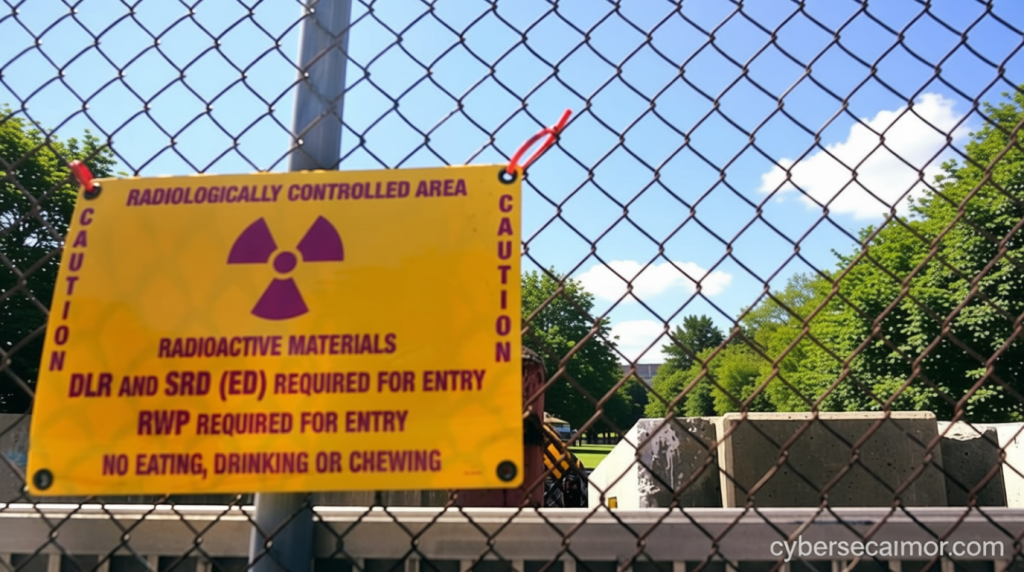
Producing nuclear energy requires a complete fuel cycle, from uranium extraction to reactor operations. The EU currently operates 98 reactors across 12 member states, with France supplying 58% of its nuclear electricity. France’s heavy investment in nuclear infrastructure has made it a leader in this domain. Other significant contributors include Spain, Sweden, Finland, and Belgium, which collectively generate around 26% of the bloc’s nuclear output. While countries like Slovakia, Hungary, and Bulgaria rely more heavily on nuclear power within their national mixes, they face challenges in maintaining their reactor fleets.
The EU’s heavy dependence on nuclear energy is evident in its 2026 electricity generation figures, where nuclear accounted for 24% of total output. This highlights the sector’s role in ensuring a consistent power supply, even as renewables grow in prominence. The Commission’s renewed focus on nuclear underscores a pragmatic approach to energy security, blending long-term sustainability with immediate stability. As the bloc continues to navigate the complexities of the global energy landscape, the strategic energy mix will remain central to its recovery and resilience efforts.
Experts agree that the path to energy independence is a delicate balance between innovation and tradition. While the rise of renewables has been transformative, their integration into the grid requires complementary solutions. Nuclear power, with its predictable output and low environmental impact, offers a bridge between the past and future energy needs. The success of this transition will depend on the EU’s ability to coordinate investments, maintain supply chains, and adapt to evolving geopolitical and environmental conditions.

