
Cyber Politics in International Relations: Shaping Global Power Dynamics
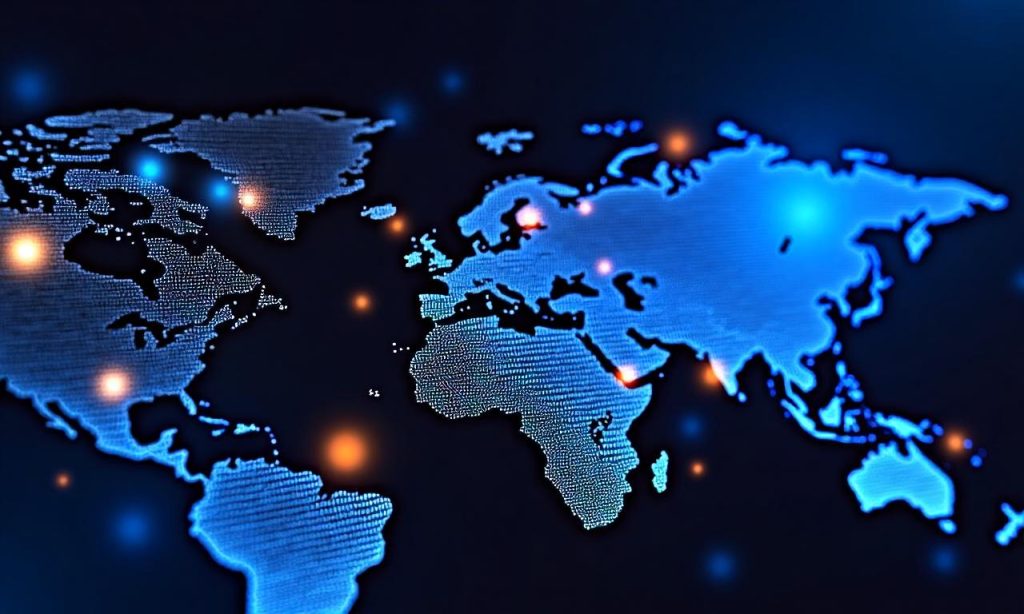
The emergence of cyber politics in international relations has revolutionized the way nations interact, communicate, and compete in the global arena. As digital technologies permeate every aspect of governance, diplomacy, and economic activity, cyber politics in international relations has become a critical force shaping global power dynamics. From influencing public opinion through social media to launching cyberattacks on critical infrastructure, the digital landscape has expanded the scope of political influence beyond traditional borders. This article explores how cyber politics in international relations is redefining geopolitical strategies, fostering new alliances, and creating challenges for international institutions. By examining the role of cyber tools in diplomacy, conflict, and information warfare, we uncover the transformative impact of the digital age on the world stage.
The Digital Revolution and the Rise of Cyber Politics
The rapid advancement of the internet and digital communication tools has transformed the way political actors engage in global discourse. Cyber politics in international relations now encompasses not only state-sponsored activities but also the influence of private corporations, non-governmental organizations, and even individual activists. This shift has blurred the lines between domestic and international politics, allowing digital platforms to serve as battlegrounds for ideological battles and power struggles. Countries leverage cyber tools to shape narratives, monitor foreign populations, and exert soft power, while also defending their own digital sovereignty against external interference.
Cyber Politics as a Tool for Soft Power and Diplomacy
One of the most significant aspects of cyber politics in international relations is its role in soft power. Governments and political entities use social media, digital campaigns, and online content to influence public opinion, both domestically and internationally. For example, state-backed influencers and digital propaganda campaigns can sway global perceptions of a country’s policies or leadership. This form of cyber politics in international relations enables real-time communication, bypassing traditional media and reaching audiences directly. However, it also raises concerns about misinformation and the manipulation of facts to serve political agendas.
Cyber Warfare and the New Frontiers of Geopolitical Conflict
Beyond diplomacy, cyber politics in international relations has introduced new dimensions to geopolitical conflict. Cyber warfare, involving attacks on critical infrastructure, data breaches, and the disruption of communication systems, has become a strategic tool for achieving political objectives. Unlike conventional warfare, cyber operations often remain hidden, allowing states to exert influence without direct confrontation. This has led to an arms race in cyber capabilities, with nations investing heavily in both offensive and defensive technologies. As a result, cyber politics in international relations now plays a pivotal role in determining the balance of power among global actors.
The Role of International Organizations in Cyber Politics
International organizations such as the United Nations, NATO, and the European Union have recognized the importance of cyber politics in international relations and are working to establish norms and frameworks for digital engagement. These institutions facilitate dialogue between states to address common challenges, such as cyber espionage, data security, and the protection of digital rights. However, the lack of consensus on cyber policies has created fragmentation in global governance. While some countries advocate for stricter regulations, others resist them, citing the need for national autonomy in the digital space. This tension highlights the complexity of integrating cyber politics in international relations into existing diplomatic structures.
Cyber Politics and the Democratization of Global Influence
The rise of cyber politics in international relations has democratized global influence by empowering smaller states, non-state actors, and marginalized groups. Through social media and digital platforms, individuals and organizations can challenge the dominance of traditional power centers. This has led to the emergence of new political players who can sway global agendas through digital activism, cyber campaigns, and online diplomacy. However, this democratization also brings risks, as digital influence can be weaponized to spread disinformation or destabilize political systems. The interplay between these opportunities and threats underscores the evolving nature of cyber politics in international relations.
Cyber Politics in the Context of Global Governance
As cyber politics in international relations becomes more integrated into global governance, it challenges established norms and institutions. The speed and scale of digital communication mean that political decisions can be made and disseminated faster than ever before, often bypassing traditional diplomatic channels. This has led to concerns about the erosion of international law and the weakening of multilateral cooperation. At the same time, it has created new avenues for collaboration, such as joint cyber defense initiatives and global agreements on digital norms. The ongoing evolution of cyber politics in international relations thus presents both opportunities and challenges for maintaining stability in the international system.
Challenges in Cyber Politics and the Need for Global Cooperation
Despite its potential, cyber politics in international relations faces several challenges. The issue of jurisdiction is one of the most pressing, as cyber operations can be conducted across borders with minimal accountability. Additionally, the lack of standardized regulations for digital behavior has led to a patchwork of national laws, creating ambiguity in international disputes. Cybersecurity threats, such as hacking and data breaches, further complicate the landscape by exposing vulnerabilities in state and corporate systems. To address these challenges, global cooperation is essential, but achieving consensus remains difficult due to competing interests and differing priorities among nations.
The Future of Cyber Politics in International Relations
Looking ahead, the future of cyber politics in international relations will likely be shaped by emerging technologies such as artificial intelligence, quantum computing, and space-based communication networks. These innovations will enhance the capabilities of digital actors, enabling more sophisticated strategies for influence and control. At the same time, they will require new frameworks for governance, cybersecurity, and ethical standards. As digital technologies continue to evolve, the role of cyber politics in international relations will only grow, with profound implications for global power dynamics and the future of diplomacy.
Case Studies in Cyber Politics and International Relations
To illustrate the impact of cyber politics in international relations, it is useful to examine specific case studies. The 2016 U.S. election, for instance, saw extensive use of social media platforms to spread disinformation and influence voter behavior. Similarly, the Russian cyberattacks on Ukraine have demonstrated how cyber politics in international relations can be used as a tool of geopolitical warfare. These examples highlight the dual role of cyber tools as both a means of soft power and a weapon of statecraft. By analyzing such cases, we gain insight into how digital strategies are shaping the contours of international politics and reinforcing the importance of cyber capabilities in global competition.
The Intersection of Cyber Politics and Economic Power
The influence of cyber politics in international relations extends beyond military and diplomatic spheres into the economic realm. Cyber tools are now used to shape trade policies, monitor market trends, and influence financial decisions. For example, digital platforms enable states to control the flow of information about their economies, creating opportunities for both transparency and manipulation. Additionally, cyber politics plays a role in the protection of intellectual property and the regulation of digital trade. As the global economy becomes increasingly interconnected, the ability to manage digital influence will become a key determinant of economic power and international standing.
Cyber Politics and the Protection of National Sovereignty
In the context of cyber politics in international relations, national sovereignty faces new challenges. States must now defend their digital territories from external interference, such as hacking, surveillance, and cyber propaganda. This has led to the development of national cybersecurity strategies and the establishment of digital borders. However, the rapid pace of technological change means that these defenses must constantly evolve to stay ahead of cyber threats. The balance between protecting sovereignty and engaging in global digital cooperation remains a central issue in the field of cyber politics in international relations.
Cyber Politics and the Changing Nature of International Alliances
The rise of cyber politics in international relations has also transformed the nature of international alliances. While traditional alliances were often based on shared military or economic interests, modern alliances are increasingly driven by cyber capabilities and digital strategies. For example, the U.S. and its allies have formed joint cyber initiatives to counter Russian and Chinese influence in the digital sphere. This trend highlights how cyber politics in international relations is not only about competition but also about fostering new forms of cooperation. As cyber tools become more central to global interactions, the way nations form and maintain alliances will continue to evolve.

The Role of Public Opinion in Cyber Politics
Public opinion plays a crucial role in cyber politics in international relations, as digital platforms allow for rapid and widespread dissemination of information. Governments and political entities can use these platforms to shape narratives and influence voter behavior, sometimes without direct accountability. This has led to the rise of digital diplomacy, where states engage with global audiences through online campaigns and social media. However, the spread of misinformation and the manipulation of public perception also pose risks to democratic processes and international stability.
Cyber Politics and the Global Information War
In the current geopolitical climate, cyber politics in international relations is often linked to the global information war. This war involves the competition for control over information, with states and non-state actors using digital tools to promote their agendas and undermine opponents. The use of fake news, deepfakes, and targeted disinformation campaigns has become a hallmark of modern political strategy. As this information war intensifies, the ability to manage digital narratives will become a critical component of international influence. The interplay between truth and propaganda in the digital age is redefining the rules of global politics.
The Impact of Cyber Politics on Global Governance
The increasing reliance on cyber politics in international relations is having a profound impact on global governance. As digital platforms become central to political discourse, international institutions must adapt to this new reality. This includes developing policies to address cyber-related issues such as data privacy, online censorship, and digital rights. Additionally, the role of cyber tools in shaping international norms is growing, as states use them to assert their influence on global standards. The challenge lies in balancing the need for digital freedom with the demands of national security and geopolitical strategy.
Cyber Politics and the Future of Global Leadership
As cyber politics in international relations continues to evolve, it will shape the future of global leadership. Countries with advanced cyber capabilities are likely to dominate digital spaces, influencing global events from the shadows. This has created a new hierarchy of power, where technological prowess is as important as economic and military strength. The ability to control information, manipulate public opinion, and defend digital sovereignty will become key indicators of a nation’s global influence. In this context, the competition for digital dominance will be a defining feature of 21st-century geopolitics.
The Role of Cyber Politics in Shaping International Norms
Cyber politics in international relations is not only about power but also about the creation and enforcement of international norms. As digital tools become more integrated into political strategies, states are increasingly compelled to participate in global dialogues on cyber ethics and digital governance. These norms, however, are still in development, with differing perspectives on issues such as surveillance, data sovereignty, and the regulation of online speech. The ongoing negotiation of these norms reflects the dynamic and contested nature of cyber politics in international relations, as countries strive to balance their interests in the digital domain.
Conclusion
In conclusion, cyber politics in international relations is reshaping global power dynamics in profound and complex ways. From soft power to cyber warfare, digital tools are redefining the way nations interact, compete, and collaborate. The integration of cyber strategies into international diplomacy has introduced new opportunities for influence, but it has also created challenges in maintaining stability and trust. As the digital landscape continues to evolve, the role of cyber politics in international relations will remain central to the future of global governance and the balance of power among nations.
FAQ
Q: How does cyber politics in international relations affect traditional diplomacy? A: Cyber politics in international relations complements traditional diplomacy by enabling real-time communication and information warfare, but it also challenges established norms and institutions.
Q: What are the main actors in cyber politics in international relations? A: Governments, private corporations, non-governmental organizations, and individual activists are key actors in cyber politics in international relations.
Q: Can cyber politics in international relations lead to geopolitical conflicts? A: Yes, cyber politics in international relations can escalate into cyber warfare, which has become a strategic tool for geopolitical competition.
Q: How do international organizations address cyber politics in international relations? A: International organizations like the UN and NATO are working to establish norms and frameworks for digital diplomacy and cyber cooperation.
Q: What role does public opinion play in cyber politics in international relations? A: Public opinion is a critical target in cyber politics in international relations, as digital platforms allow for the rapid dissemination of influence and information.
