Walmart pulls lettuce linked to cyclospora outbreak

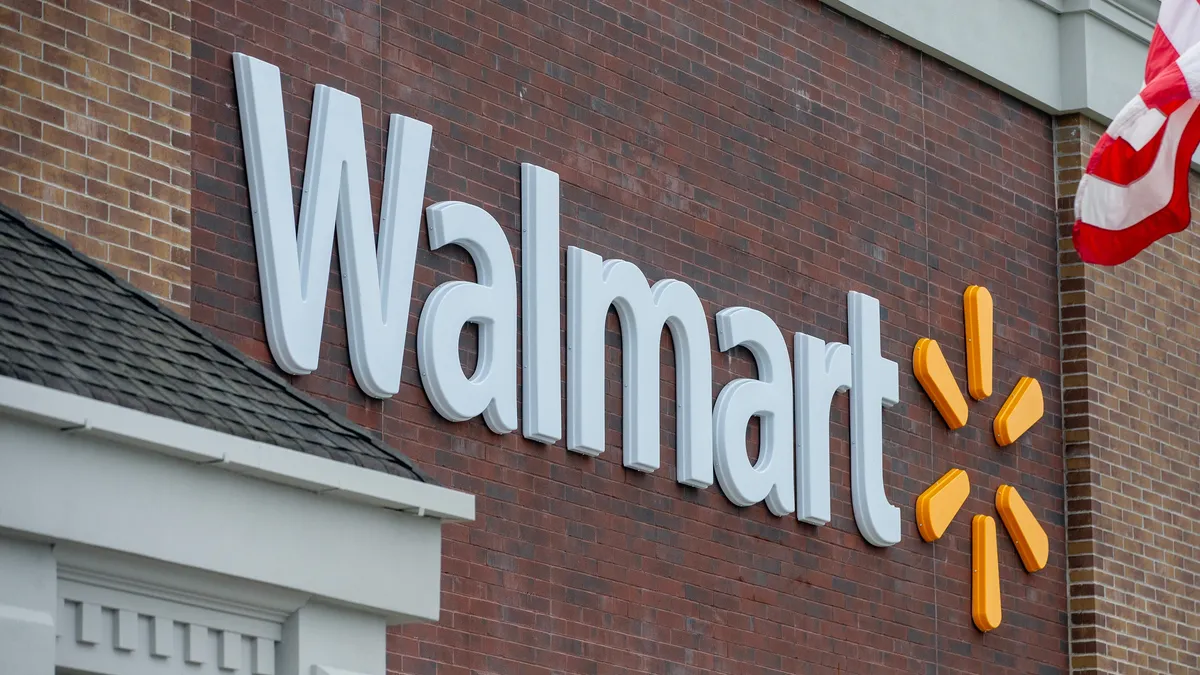
Cybersecarmor.com – Walmart stores in 27 states sold Taylor Farms -supplied lettuce being removed for a potential link to a cyclosporiasis outbreak .
The retailer has pulled some bags of Marketside Bagged Iceberg Salad and Shredded Iceberg Salads, the company said in a statement to USA TODAY.
So far there have been no confirmed illnesses associated with the products, according to Walmart. "We are working closely with our supplier and took immediate steps to remove the products from sale," the company's statement said.
"The health and safety of our customers is a top priority," the company's statement read. "Although there is no indication that products sold in our stores are affected by the current Cyclospora investigations, we have removed four bagged iceberg lettuce salad products from select locations as a precaution after receiving notice from our supplier.
Wildfire smoke: Here's your latest smoke forecast for the weekend. When will it end?
Walmart's action comes after Taco Bell on Friday, July 17, said it has removed all lettuce supplied from Taylor Farms from its restaurants. Lettuce provided by a single supplier and served at Taco Bell restaurants in five states – Indiana, Kentucky, Michigan, Ohio and West Virginia – had been linked to the ongoing outbreak of the stomach-churning parasitic infection , the Food and Drug Administration and Centers for Disease Control and Prevention said on Thursday, July 16.
The CDC reported on Friday, July 17, that its investigation found that Taco Bell customers had gotten sick after consuming shredded iceberg lettuce from Taylor Farms de Mexico contaminated with cyclospora, a microscopic parasite that infects the intestinal tract and can cause prolonged diarrhea .
Thousands have been sickened by cyclosporiasis across the country. In Michigan , more than 5,000 cases have been reported, with 102 hospitalized, as of July 16, according to the state health department.
It is likely more restaurants and retailers received potentially tainted lettuce. Taylor Farms de Mexico of Guanajuato, Mexico, which is a subsidiary of the Salinas, California-headquartered company, listed 27 states – the same list as on Walmart's removal notice – that received central Mexico-sourced iceberg lettuce, shredded lettuce, salad mixes and other products in a July 17 update on the Food and Drug Administration website.
The company said it had notified customers and was removing the implicated products, as well as suspending processing and distribution of iceberg lettuce from Central Mexico.
Sysco , the nation's largest food distributor, said on Friday that it had removed and halted all sales and distribution of Taylor Farms iceberg lettuce from Mexico at the supplier's request, Reuters reported.
A food recall notice on the Walmart website details that Taylor Fresh Foods had recalled iceberg lettuce from central Mexico because of possible health risk and that the lettuce was sold at select Walmart stores.
The products were sold at select locations in the following states:
Customers who purchased these products should not consume them and should discard them or return them to their local Walmart store for a full refund, the company said. Customers with questions may contact Walmart Customer Service at 1-800-925-6278.
Nearly all of the listed recalled lettuce products were sent to food service destinations such as restaurants. Neither the FDA notice nor the Taylor Farms recall notice listed specific retailers or restaurants that received the lettuce.
"While the FDA traceback is indicating a specific independent farm that represents less than 1% of the U.S.’s iceberg lettuce supply as the potential source of the outbreak, we have removed all iceberg lettuce from the region indefinitely," Taylor Farms said in a July 17 statement.
Consumers could use more information because the recall notices as they currently stand are not sufficient, said Bill Marler, a food safety lawyer. Only Taco Bell, Walmart and Sysco have publicly said they have pulled potentially affected Taylor Farms lettuces.
But the notice posted by Taylor Farms and the FDA, which uses codes (they look like acronyms), doesn't detail what other retailers and food service companies may have gotten the lettuce. Companies that are traditionally supplied by Taylor Farms include major national distributors US Foods and Markon, as well as restaurant chains Subway and Jack in the Box, Marler said.This is an inadequate public notice "for an outbreak that may have sickened seven thousand Americans," Marler wrote in a blog post on his law firm's website . "Because somebody knows. Taylor Farms knows. FDA knows, because it ran the traceback. The family deciding what to put on the table tonight does not, and there is no defensible reason for that."“I fear that most of the companies that are listed there are just hoping that no one ties them to illnesses,” he told USA TODAY.
USA TODAY has reached out to numerous restaurant chains and retailers for comment.
Two years ago, Taylor Farms was linked to an E.coli outbreak involving onions served at McDonald's. The produce company supplied slivered onions identified as the likely source of the outbreak linked to McDonald's Quarter Pounder burgers, which led to a recall. One person died and 104 people were sickened in the outbreak, according to the CDC.
In another outbreak linked to Taylor Farms, more than 600 people in 25 states were sickened in 2013; the CDC traced the outbreak to salad mix from Taylor Farms de Mexico in Guanajuato.
Taco Bell has seen its daily foot traffic decline about 5.8%, based on July 11 traffic, compared to day-of-week averages from Jan. 1-July 6, 2026, according to data firm Placer.ai. By July 11, Taco Bell had begun pulling some ingredients, including lettuce and cilantro, from some Michigan restaurants.
Other restaurants associated with lettuce, such as Chopt, Panera Bread and Sweetgreen also saw declines on July 11, compared to average traffic rates, the data firm said.
“While we only have a few days of data to work with, Cyclospora headlines and product removals at some QSR (quick-service restaurant) chains appear to be weighing modestly on visitation. Several chains with lettuce-heavy menus posted declines against day-of-week averages on July 10–11, 2026,” the company said in data shared with USA TODAY.
Mike Snider is a national trending news reporter for USA TODAY. You can follow him on Threads, Bluesky, X and email him at mikegsnider & @mikegsnider.bsky.social & @mikesnider & msnider@usatoday.com.