FDA: Taylor Farms lettuce that’s not part of recall tests positive for cyclospora

FDA Finds More Taylor Farms Lettuce Linked to Cyclospora Outbreak
Cybersecarmor.com – FDA – The FDA has identified additional samples of Taylor Farms shredded iceberg lettuce that test positive for cyclospora, expanding concerns beyond the current voluntary recall. Federal health officials announced Saturday that the contaminated product, imported from Taylor Farms de Mexico, was discovered through routine monitoring efforts. This finding is particularly significant because the affected batch falls outside the scope of the company’s existing recall, suggesting the contamination may be more widespread than initially understood. The FDA continues to investigate the full extent of this potential outbreak as public health officials work to protect consumers across the United States.
Understanding the Cyclospora Contamination
Cyclospora is a microscopic parasite that causes gastrointestinal illness when ingested through contaminated food or water. The FDA has noted that symptoms typically include diarrhea, loss of appetite, weight loss, stomach cramps, bloating, increased gas, nausea, and fatigue. In some cases, individuals may experience vomiting and fever. The illness can last from a few days to several weeks, and without proper treatment, symptoms may recur. The FDA emphasizes that while cyclospora infections are rarely fatal, they can be particularly severe for elderly individuals, young children, and people with weakened immune systems. This latest finding has prompted federal officials to intensify their monitoring of imported lettuce products from Mexican suppliers.
Sample Collection and Testing Process
The positive sample was collected through the FDA’s focused import monitoring program, which systematically tests incoming food products for potential contaminants. According to federal officials, the contaminated lettuce is currently being held at the border while investigators determine whether any portion of this implicated lot has already entered commercial distribution or reached consumers’ homes. The FDA stated that they are actively working to identify whether any part of this implicated lot is available in commerce or in consumers homes. Taylor Farms has confirmed that this specific shipment is distinct from the products currently being pulled from shelves nationwide, though officials are assessing whether other shipments from the same facility might also be affected.
The FDA is currently working to identify whether any part of this implicated lot is available in commerce or in consumers homes, officials said during a press briefing on Saturday.
Recall Timeline and Scope
This announcement arrived approximately twenty-four hours after Taylor Farms announced it would withdraw all iceberg lettuce originating from central Mexico from the American market. That comprehensive decision followed an extensive traceback study conducted by federal regulators, which connected the Mexican supplier to numerous illness reports across multiple states. The company, headquartered in Guanajuato, declared it would remove every iceberg lettuce variety sourced from central Mexico from American stores to ensure public safety. Investigators are now working to piece together the complete timeline of distribution to understand how far the contaminated product may have traveled through the supply chain.
Impact on Restaurants and Retailers
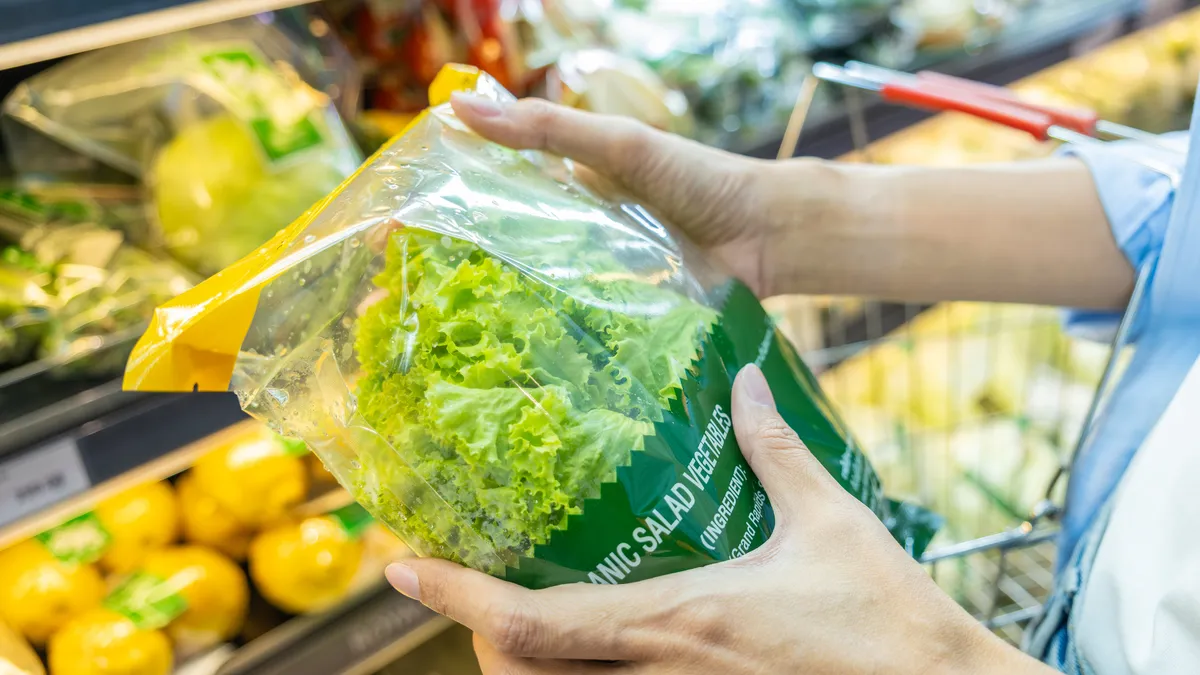
Earlier in the week, the FDA pinpointed Taylor Farms de Mexico as the shared vendor for shredded iceberg lettuce served at various Taco Bell locations and other restaurant chains. Retailers across the country have begun removing affected products from their shelves as a precautionary measure. The FDA has urged consumers who purchased Taylor Farms shredded iceberg lettuce from central Mexico to check their refrigerators and discard any products that may be affected. Shoppers are advised to look for packaging that indicates the product originated from central Mexico and to verify expiration dates against the recall information provided by federal authorities.
Consumer Guidance and Next Steps
The FDA continues to recommend that consumers who have experienced gastrointestinal symptoms after consuming lettuce products contact their healthcare providers. Federal officials have established a reporting system for consumers to share information about potential illnesses linked to the contaminated lettuce. The agency has also increased inspection efforts at ports of entry where Mexican lettuce products are processed. As the investigation progresses, the FDA will provide additional updates regarding testing results and any potential expansion of the recall. Consumers are encouraged to visit the FDA website for the most current information about this ongoing food safety concern and to monitor official announcements for any changes to the recall scope.