
Want to help garden birds? Don’t feed them in warmer months, says RSPB
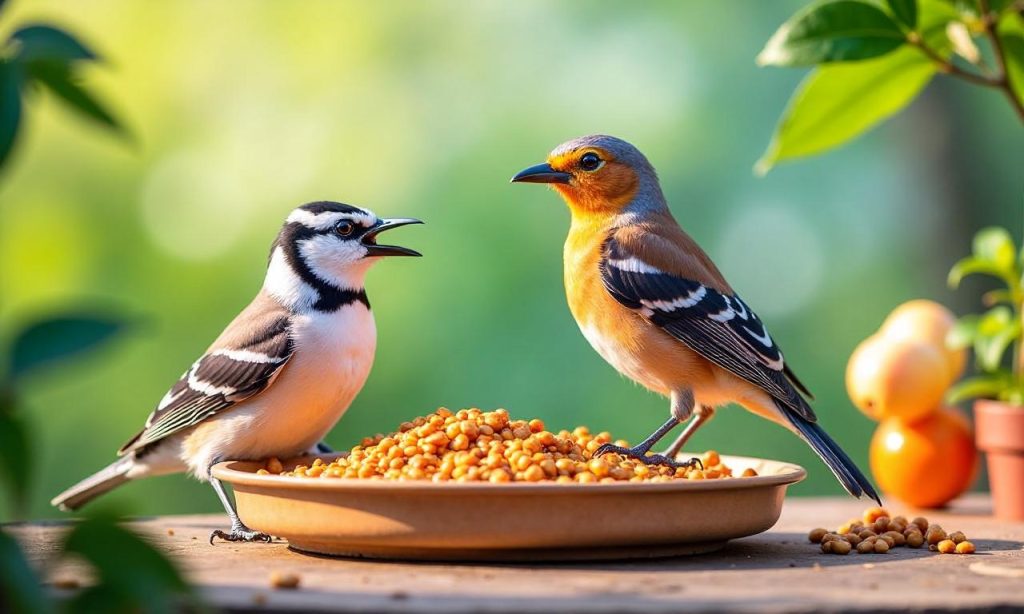
Want to help garden birds? Don’t feed them in warmer months, says RSPB
The UK’s largest bird charity, the Royal Society for the Protection of Birds (RSPB), warns that feeding garden birds during spring and summer could threaten their health. While many people enjoy providing food for these creatures, the RSPB suggests a seasonal approach between 1 May and 31 October to reduce disease risks.
Trichomonosis, a parasitic infection, has led to sharp drops in populations of greenfinches and chaffinches. Once common in UK gardens, greenfinches have lost two million individuals, now listed as endangered. The parasite targets birds’ mouths, throats, and digestive systems, causing breathing and eating difficulties. Infected birds spread the pathogen through saliva and droppings, contaminating shared food sources. Chicks can also catch it directly from regurgitated food by adult birds.
Seasonal Feeding and Hygiene Guidelines
The RSPB promotes “feed seasonally, feed safely” as its key message. It emphasizes that a single infected bird can turn a popular feeder into a disease hotspot. Hygiene is crucial, with recommendations to clean feeders weekly and relocate them after each cleaning to avoid debris buildup. Water should be changed daily, and only fresh tap water should be used. Bird baths should also be scrubbed regularly.
“It’s really nice to see them from the window – they look very chipper out there,” says Helen Rowe, a London resident who feeds sparrows. While she enjoys close encounters, she agrees to stop using feeders during warmer months: “I want to support the birds – I don’t want to do anything that’s going to spread disease.”
The charity acknowledges that changing feeding habits may take time. Martin Fowlie of the RSPB notes that simplicity is key to encouraging adoption of the advice. However, some argue the recommendation might not fit all regions equally. Dick Woods, a manufacturer of easy-to-clean feeders, highlights that natural food availability varies widely: “Every garden is different. In some places, food is so abundant that birds don’t use feeders very much; in other areas there is little alternative.”
Economic Impact of Bird Feeding
The UK Pet Food industry estimates £380 million is spent annually on bird food, equivalent to 150,000 tonnes. This amount could feed three times the breeding population of the ten most common garden birds if used year-round. Despite the economic significance, the RSPB urges a pause in feeding during warmer months to curb disease transmission. Flat feeders, which were previously popular, are now discouraged as research links them to higher contamination risks. The charity has effectively said goodbye to traditional bird tables, urging a shift toward safer practices.
