Dark romance has wild plots, morally gray heroes. Why do fans love it so much?

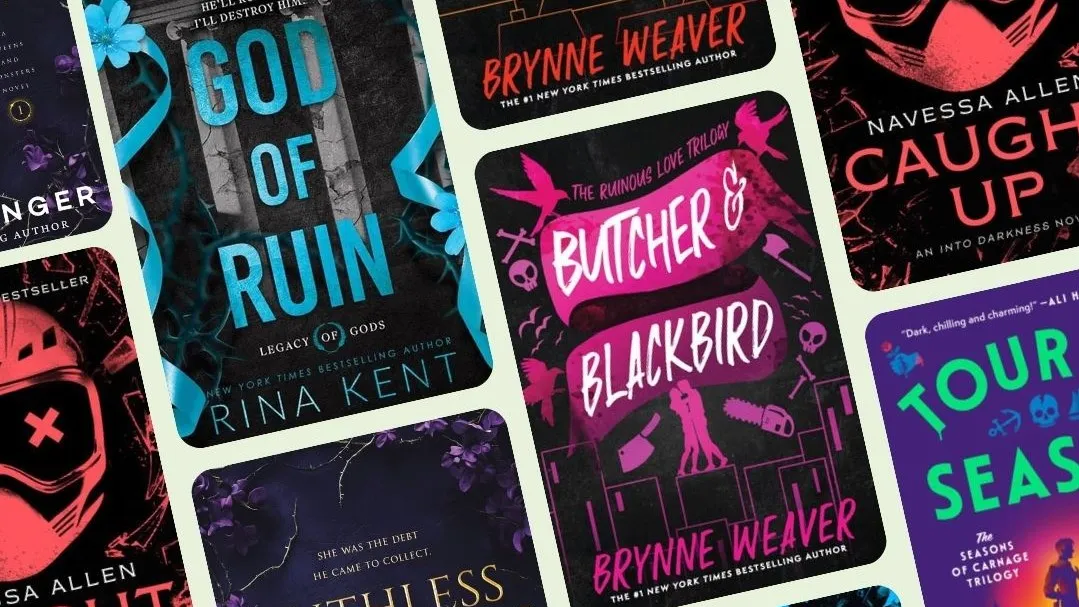
Dark Romance Has Wild Plots: Why Fans Love Morally Gray Heroes
Cybersecarmor.com – Dark romance has wild plots that captivate readers seeking intense emotional journeys. This genre blends mafia patriarchs, obsessive admirers, and protective vigilantes with satisfying happy-ever-after endings. According to Circana BookScan data, romance remains one of the few publishing categories experiencing consistent growth, with audiences gradually moving away from lighthearted romantic comedies toward stories exploring darker emotional territory.
While internet humor frequently highlights that these fictional love interests might receive a can of pepper spray in everyday situations, devoted readers insist the genre receives unfair criticism. The question remains: what draws so many people to characters who exist in moral ambiguity?
A Messier Path to Love
Similar to traditional romance, this subgenre promises a positive ending, yet the road to that destination proves more turbulent. Brynne Weaver, who wrote the bestselling dark rom-com “Butcher & Blackbird,” explains the distinction clearly.
There’s a heavier kind of backstory that tends to happen for a lot of the characters. There’s a bit of murder and mayhem and chaos. It might be a toxic relationship … there might be a childhood story of trauma. It’s just got these heavier, adult content themes for the characters to explore.
The genre embraces forbidden subjects, whether through power imbalances between partners or threats existing outside the relationship itself. Stalkers and serial killers discover love, occasionally with the very people they once pursued. Common narrative devices include forced proximity scenarios, dominant male leads, and enemies-to-lovers dynamics. Weaver notes that these elements significantly heighten both tension and narrative stakes.
These stories frequently merge with other categories, occasionally incorporating dark academia aesthetics, fairy tale elements, or fantasy settings. Stories centered on organized crime families enjoy particular popularity, exploring the rough edges of criminal enterprises. Arranged marriages also serve as an effective storytelling tool within this space.
The Appeal of Extreme Devotion
Lia Lan, a twenty-five-year-old devoted romance reader, finds that books incorporating thrilling components keep her attention while also bringing joy. For her, the genre represents love pushed to its boundaries.
It’s really so romantic, all of the things that these men are willing to do for the women they’re in love with.
Traditional romantic gestures take on new meaning in these narratives. Flowers become secondary to more dramatic displays of devotion. In RuNyx’s “The Finisher,” which Lan considers a personal favorite, the male protagonist delivers a memorable declaration: “I cut the hand of a man who touched your hair, Zephyr. What do you think I will do to the one you move on with?”
This brings us to the pepper spray phenomenon. Critics argue romance should reflect aspirational relationships, yet fans understand the distinction between fiction and reality. Weaver emphasizes this point strongly.
Nobody is saying that they want to experience any of this in real life. It’s very much like horror and thriller. I don’t want to go and get chased down by a clown, but do I want to watch a movie about it or read a book about it? Sure.
Healing Through Fiction
These morally complex figures challenge conventional definitions of right and wrong. They demonstrate rebellion and unpredictability while operating from genuine emotional foundations. Within mafia narratives specifically, character actions frequently stem from codes governing honor and survival.
Things are very stressful on many fronts – personal, political, financial. Reading about men who can take care of people – ‘I’m just going to take care of that. It’s going to not be a problem anymore because I’m going to go get rid of that person’ – there’s an appeal to that.
Stacy Boyd, an executive editor at Harlequin, identifies this protective instinct as a key attraction. Many novels open with comprehensive trigger warnings, acknowledging that themes including abuse and sexual assault may disturb certain readers.
It helps them to process that trauma safely because they know that they can close the book and walk away. There are a great number of readers that have had negative experiences and find it quite healing to then open a dark romance and experience those feelings again … without having to live them again.
Therapists recognize this phenomenon through bibliotherapy, a practice involving therapeutic reading. The combination of wild plots and emotional catharsis explains why this genre continues expanding its devoted following.