Should Southern Baptist women be pastors? Battle reignites

Reigniting the Debate: Southern Baptist Women and the Pastor Role
Cybersecarmor.com – The Southern Baptist Convention (SBC) faces renewed scrutiny as it prepares to address a long-standing question: Should women be permitted to serve as pastors, leading congregations and interpreting scripture? This divisive topic will once again take center stage at the denomination’s annual meeting in Orlando, scheduled for June 9-10. The issue has remained a focal point for internal debate, with some factions pushing for expanded roles for women in ministry while others advocate for a more traditional approach.
A Constitutional Push for Unity
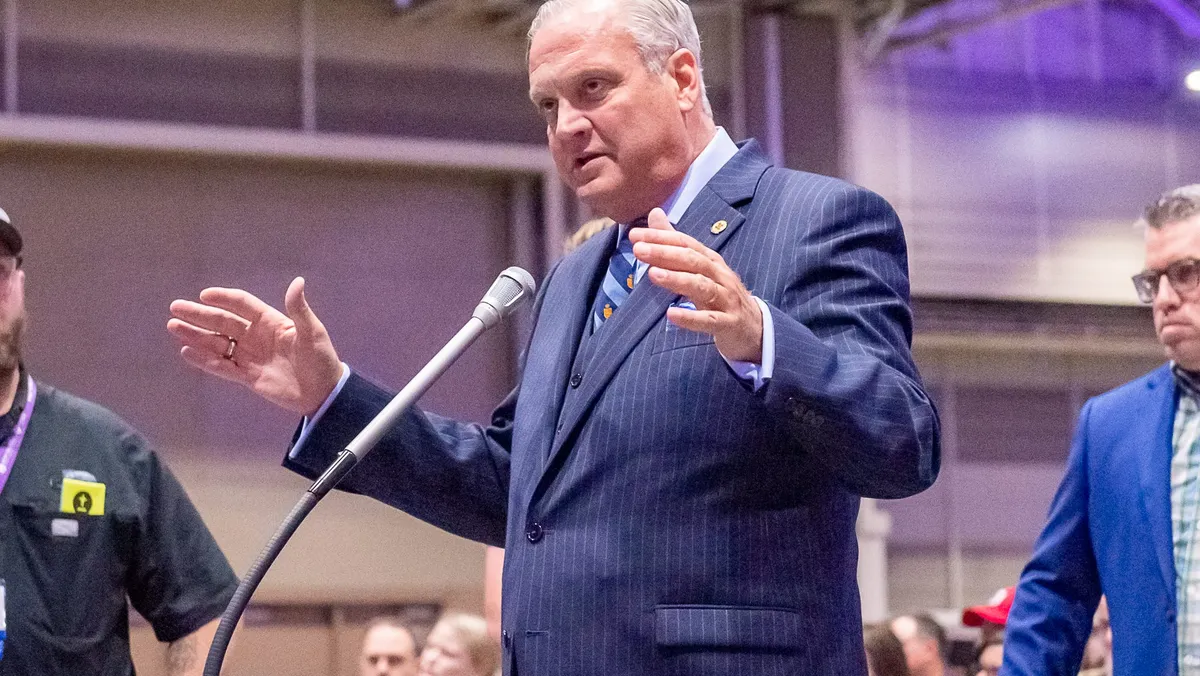
Albert Mohler, the president of Southern Baptist Theological Seminary in Louisville, has taken a decisive stance. On May 18, he announced plans to introduce a constitutional amendment at the Orlando meeting, aiming to explicitly prohibit churches from appointing women to serve as primary pastors. Mohler emphasized the importance of the amendment, stating,
“It is for the cause of our unity in the truth that I intend to bring a motion to the Southern Baptist Convention in Orlando to amend the Constitution. Let’s get this done.”
His proposal has sparked intense online discourse, highlighting the deepening rift within the denomination.
Historical Context and Past Rejections
The SBC has grappled with this question for decades. In 2025, delegates at the annual meeting in Dallas narrowly rejected a similar constitutional statement that would have barred women from serving as pastors. At the time, proponents struggled to secure enough support, underscoring the challenge of achieving consensus on this issue. The 2026 proposal is more forceful, seeking to codify the ban into the denomination’s foundational document to solidify its stance.
The debate hinges on differing interpretations of scripture. The SBC’s official faith statement, Baptist Faith & Message 2000, asserts,
“While both men and women are gifted for service in the church, the office of pastor/elder/overseer is limited to men as qualified by Scripture.”
This declaration has been a cornerstone for complementarian views, which emphasize distinct but hierarchical roles for men and women. Mohler argues that the amendment is necessary to preserve doctrinal unity, a goal he has consistently championed.
Impact on Congregations and Membership Trends
The controversy has already led to the departure of several churches from the SBC. Notable among them are Fountain of Praise Church in Houston, The Crossing Church in Tampa, Florida, and Zion Temple Baptist Church in O’Fallon, Illinois. These congregations, which support egalitarian interpretations of biblical roles, have severed ties with the denomination, citing disagreements over leadership policies. Mohler’s proposal threatens to further widen this divide, with additional churches potentially leaving if the amendment passes.
Membership trends within the SBC add urgency to the debate. According to Lifeway Research, the denomination’s affiliated organization, total membership declined by 3% in 2025 to 12.3 million, marking the 19th consecutive year of decline. However, attendance at worship services, Bible studies, and Sunday school has continued to rise, suggesting that the issue of women in leadership remains contentious despite broader engagement with church activities.
Other Resolutions and Broader Issues
While the ban on female pastors is a central resolution, the Orlando meeting will also address other critical matters. These include reaffirming opposition to assisted suicide, condemning antisemitism, and issuing a statement against political violence. The antisemitism resolution urges Southern Baptists to scrutinize their own rhetoric and online behavior, warning against deriving identity from political affiliations rather than from spiritual union with Christ.
Another resolution seeks to balance biblical principles with federal policies, supporting “lawful immigration enforcement carried out justly, humanely and according to due process.” This reflects the SBC’s effort to remain relevant in contemporary issues while maintaining its theological roots. The amendment to restrict women pastors, however, remains a symbol of the denomination’s struggle to reconcile tradition with evolving views on gender roles.
The Path Forward and Denominational Challenges
With about 20,000 delegates expected to attend the Orlando gathering, the outcome of Mohler’s proposal will shape the SBC’s future. The amendment would lock in a policy that limits pastoral roles to men, a move Mohler describes as essential for unity. “The need for a constitutional amendment is abundantly clear and has been building in recent years,” he stated, drawing parallels to the SBC’s earlier efforts to address LGBTQ issues in the 1990s.
For many within the SBC, the amendment represents a broader effort to uphold traditional biblical teachings. Yet, critics argue that it could alienate younger members and congregations that prioritize inclusivity. The ongoing debate also reflects the denomination’s commitment to church self-governance, as local churches are expected to follow the SBC’s constitutional guidelines. This tension between centralized authority and local autonomy underscores the complexity of the issue.
Despite the challenges, the SBC continues to adapt. The 2026 resolutions include statements on various topics, from social justice to religious practice. However, the core question of women’s roles in leadership remains unresolved. As the denomination prepares for its annual meeting, the stakes have never been higher, with the potential to either strengthen its traditional identity or pave the way for greater inclusivity.
Albert Mohler’s initiative highlights the SBC’s determination to address internal discord, even as it risks deepening divisions. The amendment’s passage could reinforce the denomination’s position on complementarianism, while its rejection might signal a shift toward more progressive interpretations. For now, the debate continues, with the outcome set to influence the SBC’s trajectory for years to come.