Taylor Farms removes iceberg lettuce sourced from Mexico amid diarrhea outbreak

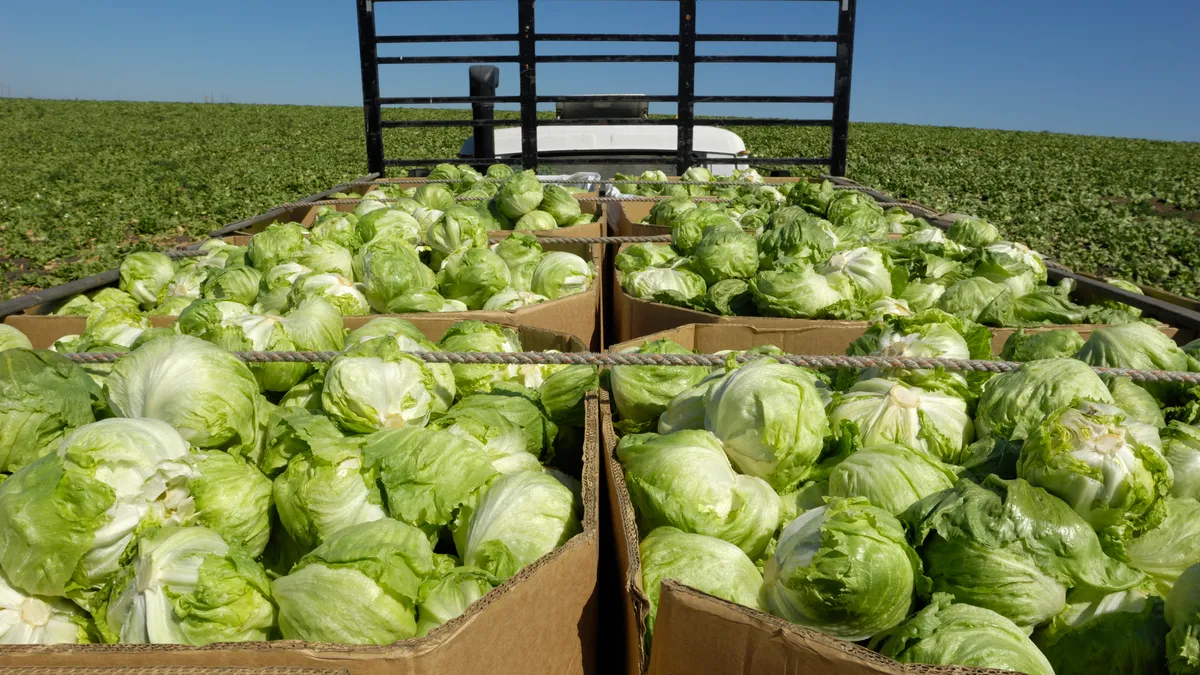
Taylor Farms Issues Voluntary Recall of Mexican-Sourced Lettuce Following Cyclosporiasis Cases
Cybersecarmor.com – Taco Bell has officially pulled all lettuce products supplied by Taylor Farms from its restaurant locations nationwide. This action follows numerous reports from unnamed sources connecting the agricultural company’s lettuce to a widespread cyclosporiasis outbreak spanning multiple states across the United States.
The fast-food corporation’s official statement, which appeared on Instagram on Friday, July 17, marks the first public indication that Taylor Farms may be the primary source of shredded lettuce connected to the continuing health crisis.
“We want you to hear it from us. We take your health and safety seriously and have removed all affected Taylor Farms lettuce from Taco Bell stores,” read the statement posted on Taco Bell’s Instagram account. “So go ahead and enjoy your Taco Bell today. You always got us. We always got you. See you in the drive-thru.”
Company Response and Recall Details
Taylor Farms, which maintains its headquarters in Salinas, California, confirmed on Friday, July 17, through a social media announcement that it was withdrawing iceberg lettuce sourced from central Mexico from commercial distribution channels.
“Based on information provided yesterday by the FDA, Taylor Farms de Mexico is voluntarily removing all iceberg lettuce sourced from central Mexico,” the company stated in its official Friday announcement.
The company further clarified that no Taylor Farms branded salads or prepared kits are connected to this particular outbreak situation.
Outbreak Scope and Timeline
Thousands of individuals throughout the nation have contracted cyclosporiasis as a result of the contaminated lettuce. On Thursday, July 16, federal health authorities announced that lettuce served at Taco Bell establishments had been connected to the ongoing outbreak of this stomach-churning parasitic infection.
A single supplier of iceberg lettuce originating from Mexico had been identified as being utilized by Taco Bell locations in five states, according to the Food and Drug Administration and Centers for Disease Control and Prevention, which made this announcement late on Thursday, July 16.
The shredded iceberg lettuce had been served at Taco Bell locations in Indiana, Kentucky, Michigan, Ohio and West Virginia to an outbreak, according to federal and state health officials.
Industry Experts Weigh In
Many food safety experts, who were in attendance at the Food Safety Latam Summit 2026, held July 15 to 16 in Puerto Vallarta, Jalisco, Mexico, suspected Taylor Farms was involved in the outbreak.
“Of course, the topic of conversation was when somebody was going to leak that it was Taylor Farms, and then the question is whether or not the lettuce came from Mexico or from Salinas,” food safety lawyer Bill Marler told USA TODAY.
“Basically everyone down here was like, it’s Taylor Farms because they’re big and they supply Taco Bell. I was actually waiting for somebody in public health to say that,” said Marler, who on July 16 filed a lawsuit in federal court in the northern district of Ohio on behalf of a man who said he became infected with Cyclospora after dining at Taco Bell on June 14 and June 21 in North Olmsted, Ohio.
Health Impact and Consumer Response
The gastrointestinal illness, which can cause frequent, watery diarrhea or explosive bowel movements, nausea, cramps, bloating and low-grade fever, has sickened people in 34 states.
Earlier in the day, Taylor Farms said in its statement that “the health and safety of our consumers is always our top priority.”
“We are committed to delivering fresh, wholesome products that meet the highest quality standards. In the rare event a product does not meet these standards, we take immediate action to remove affected items from distribution and notify our customers,” the statement said.
USA TODAY has reached out to Taylor Farms, HHS, FDA and CDC for comment regarding the ongoing situation and potential next steps for consumers who may have been affected.
The recall represents a significant event for both the agricultural industry and the fast-food sector, as cyclosporiasis cases continue to be investigated and linked to specific food sources. Health officials are urging consumers who have experienced symptoms after eating at Taco Bell locations in the affected states to seek medical attention and report their cases to local health departments.
This outbreak highlights the importance of traceability in the food supply chain and the rapid response capabilities of both private companies and federal agencies when dealing with foodborne illness outbreaks that cross state boundaries.