
Iran ceasefire deal a partial win for Trump – but it comes at a high cost
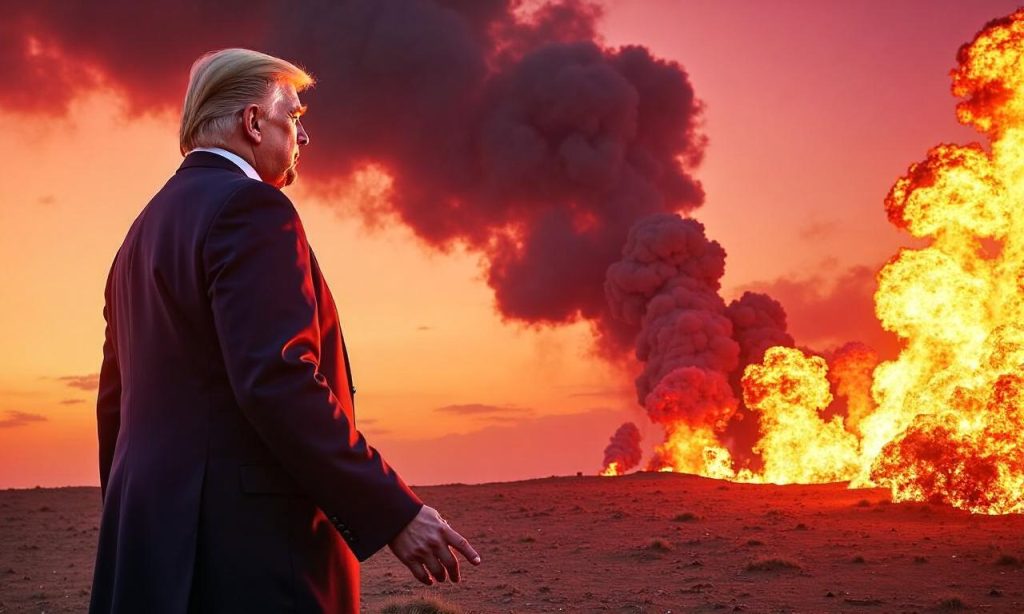
Iran Ceasefire Deal a Partial Win for Trump – But at a High Cost
At 18:32 Washington time, President Donald Trump announced on his social media platform that the United States and Iran had made significant progress toward a “definitive” peace agreement. The deal includes a two-week ceasefire, granting both sides time to negotiate further. While not a last-minute resolution, the timing was tight, with Trump set to meet a 20:00 EDT deadline to either conclude talks or authorize extensive strikes on Iranian energy and transportation assets. The agreement hinges on Iran suspending hostilities and fully allowing commercial ships to pass through the Strait of Hormuz, a critical maritime route.
Though Trump’s immediate goal—halting military action—was achieved, Iran insists it retains “dominion” over the strait. The ceasefire offers a temporary reprieve, but the path to a lasting agreement remains uncertain. In after-hours trading, the price of crude oil dipped below $100 for the first time in days, and US stock futures rose, signaling cautious optimism among investors. However, the fragile truce does not erase concerns about the broader implications of the conflict.
Domestic Backlash Over Trump’s Threats
Democrats swiftly criticized Trump’s rhetoric, with some calling for his removal from office. Congressman Joaquin Castro tweeted, “
It is clear that the president has continued to decline and is not fit to lead
.” Senate leader Chuck Schumer accused Republicans of endorsing the threats, stating, “
Any Republican who did not join in voting to end the Iran war owns every consequence of whatever the hell this is
.” Despite party divisions, support for Trump’s aggressive stance was not universal, as seen in statements from lawmakers like Austin Scott, who labeled the threats “counter-productive.”
Wisconsin Senator Ron Johnson warned against following through on the bombing plan, while Texas Congressman Nathaniel Moran emphasized, “
This is not who we are, and it is not consistent with the principles that have long guided America
.” Alaska’s Senator Lisa Murkowski criticized the leverage tactic, noting that Iran’s control over the strait “cannot be excused away as an attempt to gain leverage in negotiations with Iran.”
Uncertain Military Outcomes
The White House defended Trump’s actions, claiming the ceasefire marked a “victory” for US objectives. According to officials, Iran’s military capabilities have been weakened, and key leaders have been eliminated in airstrikes. However, the status of Iran’s enriched uranium and its influence over regional groups like the Houthi rebels in Yemen remains unresolved. While the strait’s access is now more secure, the deal’s long-term success depends on Iran’s willingness to uphold its commitments.
